Feeling tense before an exam, presentation, interview or important deadline does not automatically mean you have an anxiety disorder. Stress is a normal response to demands and challenges. Anxiety can feel similar, but it may continue even when there is no immediate problem to solve—or become stronger than the situation seems to require.
The two can overlap. Both may cause worrying thoughts, difficulty concentrating, sleep problems, irritability and physical sensations such as a faster heartbeat. The clearest difference is often what is driving the feeling and what happens when the stressful situation passes.
Temporary stress commonly improves after the pressure is resolved. Anxiety may continue, repeatedly return or begin interfering with school, work, relationships, sleep or everyday activities.
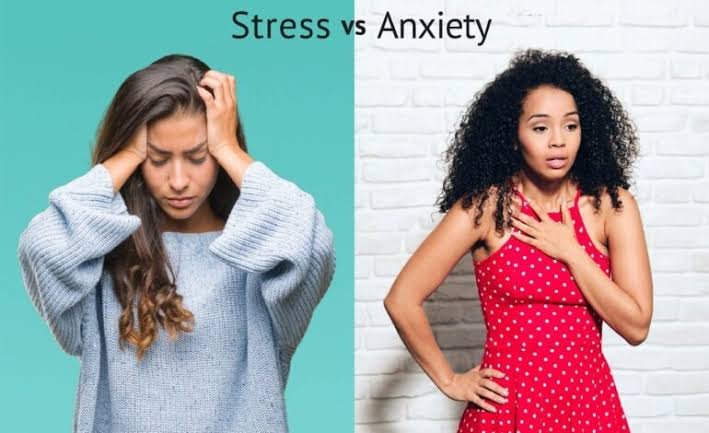
Stress vs Anxiety: Quick Comparison
| Factor | Stress | Anxiety |
|---|---|---|
| Common trigger | Identifiable pressure or challenge | May occur with or without an obvious immediate threat |
| Duration | Often linked to the stressful period | Can persist after the situation passes |
| Worry | Usually focused on a current problem | May be persistent or difficult to control |
| Physical symptoms | Possible | Possible |
| Sleep disruption | Possible | Possible |
| Effect on daily life | Usually temporary | Can become persistent and disruptive |
| Is it always a disorder? | No | No; anxiety becomes a clinical concern in certain circumstances |
| When to seek help | When overwhelming or persistent | When persistent, severe or interfering with daily life |
What Is Stress?
Stress is the body’s response to a demand, challenge or change.
Common sources include:
- Exams
- School assignments
- Deadlines
- Family disagreements
- Moving home
- Financial concerns within a household
- Friendship difficulties
- Major life changes
Stress is not automatically harmful.
A manageable amount of short-term stress can make you more alert and encourage you to prepare for an important task.
Problems can develop when stress becomes intense, continues for a long time or feels greater than your ability to cope.
What Is Anxiety?
Anxiety involves feelings of worry, fear or apprehension.
Some anxiety is also a normal part of life.
You might feel anxious before:
- Speaking in front of a class
- Taking an important examination
- Visiting a doctor
- Starting somewhere new
The presence of anxiety therefore does not automatically mean someone has an anxiety disorder.
It becomes more concerning when anxiety is persistent, difficult to control, disproportionate to the situation or significantly affects normal activities.
1. Stress Usually Has a Recognisable Cause
One useful way to distinguish the two is to ask:
“What am I worried about right now?”
With stress, the answer may be straightforward:
“I have three assignments due this week.”
“I have an exam tomorrow.”
“My family is moving.”
If the stressful event ends, the tension will often decrease.
Anxiety can be less directly connected to an immediate problem.
Someone may continue feeling worried even after the original situation has been resolved.
2. Anxiety Can Continue Without an Immediate Stressor
Suppose you have an exam on Monday.
Feeling tense during the weekend may be an understandable stress response.
Once the exam is finished, that stress may gradually disappear.
But imagine that you continue experiencing intense worry throughout the week despite having no immediate exam or deadline.
You may begin worrying about future tests, mistakes, social situations or things that might go wrong.
Persistent worry like this can be worth discussing with a trusted adult or healthcare professional, particularly when it begins affecting daily life.
3. Stress and Anxiety Can Cause Similar Physical Feelings
Both can affect the body.
Possible experiences include:
- Faster heartbeat
- Sweating
- Muscle tension
- Headaches
- Stomach discomfort
- Difficulty sleeping
- Feeling restless
- Feeling tired
Because the physical experiences can overlap, symptoms alone may not clearly tell you whether you are experiencing stress or anxiety.
Context, duration and impact are also important.
4. Both Can Affect Concentration
When your attention is constantly focused on a problem, concentrating on something else becomes difficult.
Stress before an examination might make studying harder.
Persistent anxiety can similarly make it difficult to focus in class, complete assignments or enjoy activities.
Occasional difficulty concentrating during a stressful period is common.
If worry regularly prevents you from functioning normally, additional support may help.
5. Both Can Affect Sleep
Stress can keep your mind active when you are trying to sleep.
You might repeatedly think about tomorrow’s deadline or replay an uncomfortable conversation.
Anxiety can also contribute to difficulty:
- Falling asleep
- Staying asleep
- Settling your thoughts at bedtime
Poor sleep can then make stress and anxious feelings harder to manage the following day.
Maintaining a reasonably consistent sleep schedule and reducing stimulating activities close to bedtime can support sleep, although persistent sleep problems may need further assessment.
6. Avoidance Can Be an Important Warning Sign
One important question is whether worry is changing what you do.
For example, someone may start avoiding:
- School
- Social activities
- Speaking in class
- Public transport
- Particular places
- Everyday responsibilities
Avoidance can temporarily reduce uncomfortable feelings, but repeated avoidance can sometimes make fears harder to manage over time.
If anxiety is repeatedly preventing normal activities, seeking support is worthwhile.
7. Stress Can Sometimes Be Helpful
Not all stress needs to be eliminated.
Imagine you have an assignment due Friday.
A moderate amount of stress may encourage you to start working on Wednesday rather than Friday night.
Once the assignment is submitted, the pressure decreases.
That is very different from being constantly overwhelmed.
Healthy stress is usually temporary and manageable.
Chronic stress can affect sleep, concentration, mood and general wellbeing and deserves attention even if it is not an anxiety disorder.
8. Anxiety Is Not Simply “Worrying Too Much”
People experiencing significant anxiety cannot necessarily switch it off because someone tells them to relax.
Anxiety involves interactions between thoughts, emotions, physical responses, circumstances and individual vulnerability.
Likewise, experiencing anxiety does not mean someone is weak.
The useful question is not whether a person should feel anxious.
It is whether those feelings are persistent, distressing or interfering with everyday life—and what support would help.
9. Stress Can Contribute to Anxiety
Stress and anxiety are not completely separate boxes.
Long periods of stress can leave someone feeling persistently tense or worried.
For example:
Heavy school workload → ongoing stress → poor sleep → greater difficulty concentrating → more worry
This can become a cycle.
Addressing practical sources of stress early can sometimes prevent the situation from becoming increasingly difficult.
10. What Can Help With Everyday Stress?
For ordinary short-term stress, start by making the problem more manageable.
You might:
- Break a large task into smaller steps.
- Write down important deadlines.
- Start difficult work earlier where possible.
- Take reasonable breaks.
- Maintain regular sleep.
- Eat regular, adequate meals.
- Stay physically active.
- Talk to someone you trust.
The goal is not to eliminate every uncomfortable feeling.
It is to make the situation manageable enough that stress does not take over the rest of your day.
11. What Can Help With Anxiety?
If anxious feelings are mild and occasional, some of the same healthy routines used for stress may help.
These include:
- Consistent sleep
- Regular physical activity
- Talking with trusted people
- Maintaining everyday routines
- Reducing unnecessary caffeine
- Breaking overwhelming tasks into manageable steps
However, persistent anxiety should not become a long-term self-help project if it is significantly affecting your life.
A healthcare professional or qualified mental-health professional can assess what is happening and discuss appropriate support.
12. Should You Avoid Everything That Makes You Anxious?
Not necessarily.
Avoidance can provide immediate relief, but continually escaping ordinary situations because they cause anxiety can sometimes reinforce the fear.
That does not mean forcing yourself into situations that feel unsafe or overwhelming.
For persistent anxiety, a qualified professional can help you work out an appropriate way to manage difficult situations gradually and safely.
13. When Should You Seek Help for Stress?
Consider asking for support when stress:
- Feels overwhelming for an extended period
- Regularly disrupts sleep
- Makes concentrating extremely difficult
- Interferes with school or everyday responsibilities
- Causes frequent physical symptoms
- Does not improve after the stressful event has passed
- Makes normal daily activities difficult
You do not have to wait until stress becomes extreme before talking about it.
For a teenager, a parent, guardian, school counsellor, teacher, doctor or another trusted adult can be a useful starting point.
14. When Should You Seek Help for Anxiety?
Professional support is particularly worth considering when anxiety:
- Persists for weeks or keeps returning
- Feels difficult to control
- Interferes with school or relationships
- Regularly disrupts sleep
- Causes you to avoid ordinary activities
- Produces significant physical distress
- Prevents you from enjoying activities you normally like
A professional can also check whether physical symptoms might have another medical explanation.
15. What Happens If You Ask for Professional Help?
Seeking help does not automatically mean medication.
An assessment may involve discussing:
- What you have been feeling
- How long it has been happening
- Situations that make it better or worse
- Sleep
- School or everyday functioning
- Physical symptoms
- Relevant health history
Depending on the situation, support might include practical changes, counselling or psychological therapy, family support, school-based support, or other treatment recommended by an appropriate clinician.
The approach should be tailored to the individual.
Stress or Anxiety: How Can You Tell the Difference?
Try asking yourself four questions:
1. Is there an obvious current problem causing this feeling?
If yes, stress may be playing a major role.
2. Does the feeling improve when the problem is resolved?
Stress often does.
3. Does worry continue even when there is no immediate problem?
Persistent anxiety may need closer attention.
4. Is it interfering with everyday life?
Regardless of whether the label is stress or anxiety, significant interference is a good reason to seek support.
You do not need to correctly diagnose yourself before asking for help.
Stress vs Anxiety: The Key Difference
Stress is commonly a response to an identifiable demand. Anxiety may persist even when the immediate pressure is absent or has passed.
But real experiences do not always fit neatly into one category.
You can be stressed and anxious at the same time.
What matters most is duration, intensity and impact.
Temporary nervousness before an important event is part of normal life. Persistent fear or worry that affects sleep, concentration, relationships, school or everyday activities deserves attention.
If you are unsure which one you are experiencing, talking to a trusted adult or healthcare professional is a reasonable next step. You do not need to wait for symptoms to become severe before asking for support.
FAQs
Q1. What is the main difference between stress and anxiety?
A. Stress is commonly connected to an identifiable pressure or challenge and often improves when that situation passes. Anxiety can continue without an immediate threat and may become difficult to control or interfere with daily life.
Q2. Can you have stress and anxiety at the same time?
A. Yes. They frequently overlap. Ongoing stress can contribute to anxious feelings, while anxiety can make stressful situations feel more difficult to manage.
Q3. Is anxiety always a mental-health disorder?
A. No. Occasional anxiety is a normal human response. It becomes more concerning when it is persistent, excessive, difficult to control or significantly interferes with everyday functioning.
Q4. When should a teenager ask for help with anxiety?
A. A teenager should consider talking to a parent, guardian, school counsellor, doctor or another trusted adult when anxiety repeatedly affects sleep, school, relationships, concentration or participation in normal activities.
Q5. Can stress go away on its own?
A. Short-term stress often decreases once the source of pressure has been resolved. If stress remains intense, continues for a long period or significantly affects everyday life, getting additional support can be helpful.