Walking and strength training are sometimes treated as competing forms of exercise: should you spend your time going for a walk or doing resistance exercises? From a health perspective, that is usually the wrong competition.
They train the body in different ways.
Walking is an accessible form of aerobic physical activity that supports cardiovascular fitness, movement and general wellbeing. Strength training asks muscles to work against resistance, helping develop muscular strength and supporting bones and everyday physical function.
For most people, the better question is not “Which one should I do?” but “How can different types of movement fit safely into my routine?”
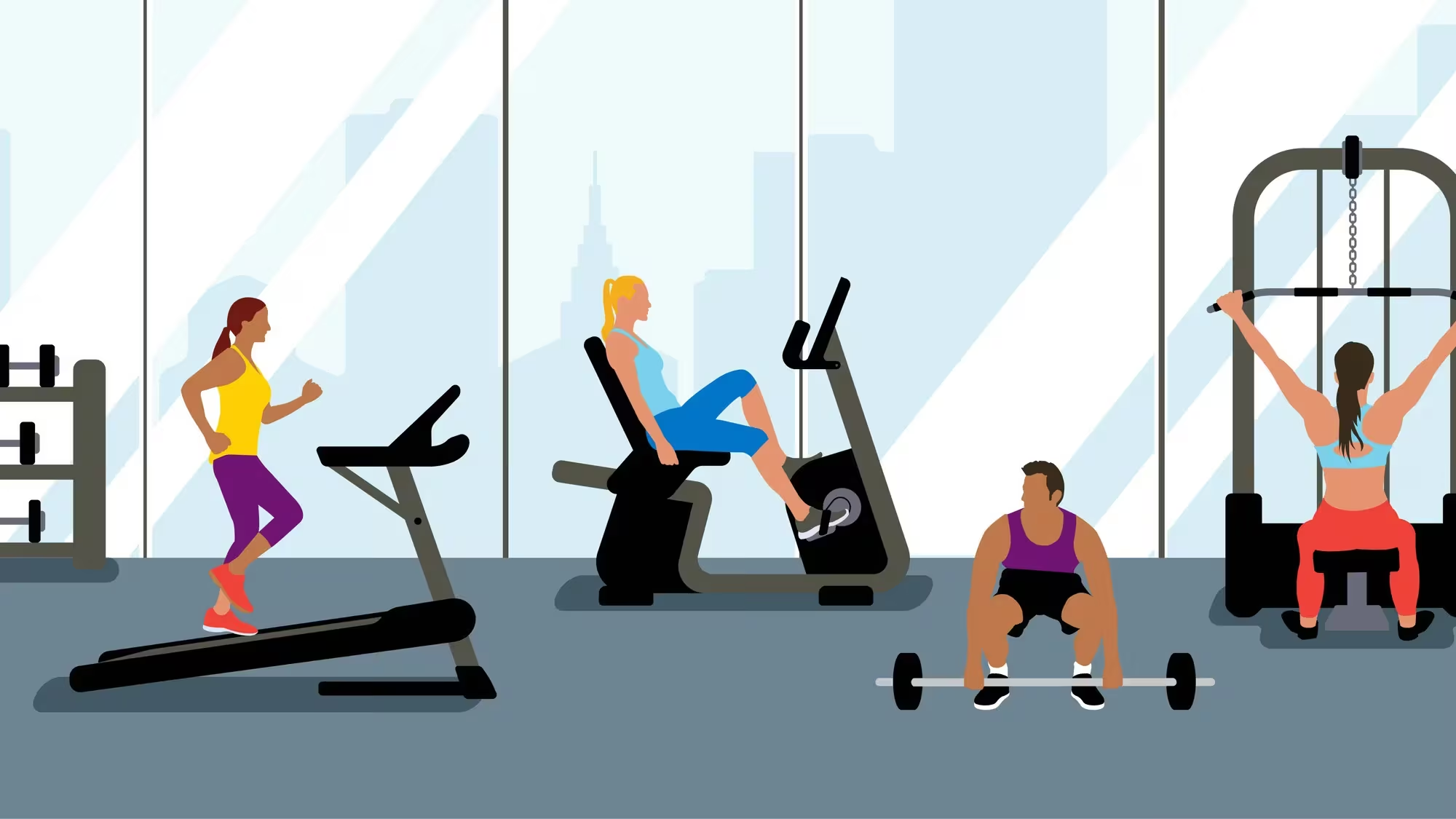
Walking vs Strength Training: Quick Comparison
| Health Area | Walking | Strength Training |
|---|---|---|
| Cardiovascular fitness | Strong benefit, especially at appropriate intensity | Some benefit, but not its primary purpose |
| Muscular strength | Limited | Strong benefit |
| Bone health | Weight-bearing activity can help | Particularly useful |
| Balance and stability | Can contribute | Can improve through suitable exercises |
| Everyday mobility | Strong benefit | Strong benefit |
| Equipment required | Usually none | Bodyweight or resistance equipment |
| Learning curve | Low | Technique matters more |
| Accessibility | Generally high | Highly adaptable |
| Mood and wellbeing | Can help | Can help |
| Overall health | Valuable | Valuable |
What Does Walking Do for Your Body?
Walking is a form of physical activity most people already perform as part of daily life.
When performed regularly and at an appropriate pace, it can contribute to aerobic activity.
Walking uses large muscle groups repeatedly while increasing the body’s demand for oxygen and energy.
It can be incorporated into everyday routines through:
- Walking to nearby destinations
- Walking with family or friends
- Taking stairs where appropriate
- Going for recreational walks
- Walking during breaks
- Exploring parks and outdoor spaces
Because it requires little equipment or specialised training, walking can be one of the easiest ways to become more physically active.
What Is Strength Training?
Strength or resistance training involves making muscles work against some form of resistance.
That resistance might come from:
- Your own body weight
- Resistance bands
- Appropriate weights
- Resistance machines
- Other supervised exercises
Examples include appropriately performed squats, push-up variations and other resistance movements.
Strength training is not limited to bodybuilding.
It can be used to support muscular strength, bone health, movement skills and the ability to perform everyday physical tasks.
For teenagers, resistance exercise should emphasise appropriate technique, sensible progression and supervision where needed, rather than attempting maximal lifts or copying advanced adult programmes.
1. Cardiovascular Health
Advantage: Walking
Aerobic activities make the heart and lungs work harder to supply the body with oxygen.
Walking can contribute to cardiovascular fitness, particularly when the pace and duration are sufficient to raise breathing and heart rate appropriately.
Regular physical activity is associated with broad cardiovascular health benefits.
Strength training can also contribute to overall cardiovascular health, but its primary training effect is different.
For someone looking specifically to add more aerobic movement to daily life, walking is an excellent starting point.
2. Muscular Strength
Advantage: Strength training
Walking uses muscles, but ordinary walking does not challenge most major muscle groups enough to provide the same strength stimulus as resistance training.
Strength exercises deliberately create resistance for muscles to work against.
Over time, appropriate resistance exercise can improve the ability to:
- Lift
- Push
- Pull
- Carry
- Climb
- Perform everyday physical tasks
Strength is useful for daily function and physical capability—not merely appearance or sports performance.
3. Bone Health
Advantage: Both, with different roles
Walking is a weight-bearing activity, meaning your bones support your body against gravity.
Weight-bearing physical activity contributes to bone health.
Resistance training also places controlled mechanical demands on muscles and bones, making it a valuable component of bone-strengthening activity.
This is particularly relevant during childhood and adolescence, when bones are still developing.
The objective should be varied, age-appropriate physical activity rather than excessive exercise.
4. Balance and Stability
Advantage: Strength training when appropriately designed
Walking itself requires balance and coordination, but a well-designed strength programme can directly work muscles involved in maintaining stability and controlling movement.
Exercises can be selected to develop:
- Leg strength
- Core control
- Coordination
- Joint stability
- Balance
The exact exercises should match a person’s age, experience and physical abilities.
5. Everyday Mobility
Result: Both are useful
Walking directly maintains one of the most important movements humans perform every day.
Strength training supports many of the physical abilities that make movement easier.
Consider climbing stairs.
You need cardiovascular capacity to keep moving without becoming excessively tired, but you also need enough leg strength to repeatedly lift your body from one step to another.
Everyday function therefore depends on more than one type of fitness.
6. Accessibility
Advantage: Walking
Walking has an exceptionally low barrier to entry.
Most people do not need:
- A gym membership
- Special machines
- Expensive equipment
- Complex programming
A comfortable pair of suitable shoes and a safe place to walk may be enough.
Walking can therefore be particularly practical for someone who wants to increase daily activity without turning exercise into a complicated project.
7. Equipment
Advantage: Walking, although strength training can also be simple
Strength training is often associated with racks of dumbbells and gym machines, but equipment is not always necessary.
Bodyweight exercises can provide resistance, while resistance bands are another option.
As someone progresses, equipment can provide more ways to adjust resistance.
Walking remains simpler because there is usually almost nothing to set up.
8. Technique and Learning
Advantage: Walking
Walking is a familiar movement for most people.
Strength exercises require more attention to technique.
Good technique helps make movements appropriate and effective and reduces unnecessary strain.
Beginners—especially teenagers—benefit from learning movements correctly rather than concentrating on how much resistance they can use.
More resistance is not automatically better.
9. Mood and Mental Wellbeing
Result: Both can help
Physical activity can support mental wellbeing.
Walking can also provide opportunities to:
- Spend time outdoors
- Take a break from screens
- Socialise
- Explore your surroundings
Strength training may provide enjoyment, a sense of learning new physical skills and confidence in everyday capabilities.
The best activity is often one that a person enjoys enough to continue regularly.
Exercise should support wellbeing rather than become a source of pressure.
10. Blood Sugar and Metabolic Health
Result: Both are useful
Physical activity helps the body use glucose and supports metabolic health.
Walking involves repeated muscular activity and can contribute to regular daily movement.
Strength training activates muscles against resistance and can support metabolic health as part of an active lifestyle.
People with diabetes or another medical condition may need individual guidance about exercise, particularly when medication, blood glucose management or other health issues are involved.
11. Sitting Less During the Day
Advantage: Walking
Someone can complete a workout and still spend most of the remaining day sitting.
Walking is easy to distribute across the day.
For example, movement can come from:
- Walking between places
- Taking a short movement break
- Walking during free time
- Doing household activities
Regular everyday movement is an important part of an active lifestyle.
A formal workout does not make all other movement irrelevant.
12. Physical Capability
Advantage: Strength training
Strength training can make everyday physical tasks easier.
Examples include:
- Carrying a school bag appropriately
- Moving household objects
- Climbing stairs
- Participating in sports
- Performing physical chores
Again, the goal does not need to be lifting the heaviest possible weight.
Building useful strength progressively is enough.
13. Does Walking Replace Strength Training?
Not completely.
Walking provides valuable physical activity but does not offer the same resistance stimulus as dedicated muscle-strengthening exercise.
Someone who walks regularly can still benefit from age-appropriate strengthening activities.
Likewise, strength training does not completely replace aerobic movement.
A person who performs resistance exercise can still benefit from walking, cycling, swimming, sports or other appropriate aerobic activities.
14. Does Strength Training Mean Lifting Heavy Weights?
No.
Resistance can be created in many ways.
For beginners, learning controlled movement is more important than trying to lift extremely heavy loads.
Young people in particular should not feel pressured to copy advanced lifting routines seen online.
Age-appropriate resistance training should prioritise:
Technique → control → appropriate resistance → gradual progression
It should not revolve around competitions over who can lift the most.
15. Which Is Easier to Maintain Long Term?
For many people, walking is easier to integrate into normal life because it requires little preparation.
But adherence depends heavily on enjoyment.
Someone who dislikes walking but enjoys sports and resistance exercises may be more consistent with those activities.
A sustainable activity routine should fit around school, family life, rest and other responsibilities rather than taking over the day.
Walking or Strength Training: Which Should You Choose?
Choose walking when you want:
- Accessible everyday movement
- Aerobic activity
- Minimal equipment
- An easy way to spend more time moving
- An activity that can be social or recreational
Include strength training when you want to support:
- Muscular strength
- Bone health
- Balance and stability
- Everyday physical capability
- Performance in other activities
For overall health, there is usually no reason to make this an either/or decision.
What Does a Balanced Approach Look Like?
A balanced approach includes different types of movement across the week.
For children and teenagers, physical-activity guidance generally emphasises regular daily movement and a variety of aerobic, muscle-strengthening and bone-strengthening activities.
That could come through many combinations of:
- Walking
- Cycling
- Running
- Sports
- Dancing
- Playing outdoors
- Age-appropriate resistance exercise
Exercise does not need to mean spending hours in a gym.
And more is not always better. Rest and recovery are also part of staying healthy.
Walking vs Strength Training: Which Is Better for Overall Health?
Neither wins overall because they provide complementary benefits.
Walking primarily adds accessible aerobic movement and supports cardiovascular health.
Strength training primarily develops muscular strength while supporting bones and physical function.
Doing only one can still provide meaningful health benefits, especially compared with being inactive. But a varied approach gives the body opportunities to develop different aspects of fitness.
For teenagers, the emphasis should be on enjoying regular movement, developing physical skills and supporting long-term health—not exercising to achieve a particular body type or pushing through excessive training.
If pain, an injury, a medical condition or another health concern affects your ability to exercise, appropriate guidance from a healthcare professional can help identify activities that are suitable for you.
FAQs
Q1. Is walking or strength training better for heart health?
A. Walking is an aerobic activity and can directly support cardiovascular fitness when performed at an appropriate intensity. Strength training also contributes to overall health, but its primary benefits include muscular strength and physical function.
Q2. Can walking make your muscles stronger?
A. Walking uses the muscles of the legs and body and can improve physical capacity, particularly in someone becoming more active. However, dedicated resistance exercise generally provides a stronger stimulus for developing muscular strength.
Q3. Is strength training safe for teenagers?
A. Appropriately designed resistance training can be suitable for teenagers when the emphasis is on correct technique, appropriate resistance and sensible progression. Young people should avoid unsupervised maximal lifting or copying advanced programmes that are inappropriate for their experience.
Q4. Do you need a gym for strength training?
A. No. Resistance can come from bodyweight movements, resistance bands and other appropriate methods. A gym provides additional equipment but is not essential for every form of strengthening activity.
Q5. Should you do both walking and strength training?
A. They can complement each other well. Walking contributes aerobic activity and everyday movement, while strength training develops muscles and supports bones and physical function. A varied, age-appropriate activity routine can include both alongside sports and other enjoyable forms of movement.