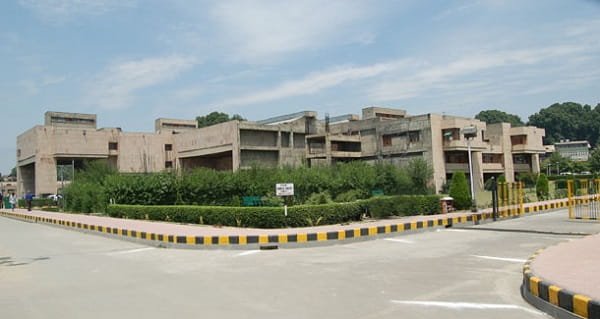
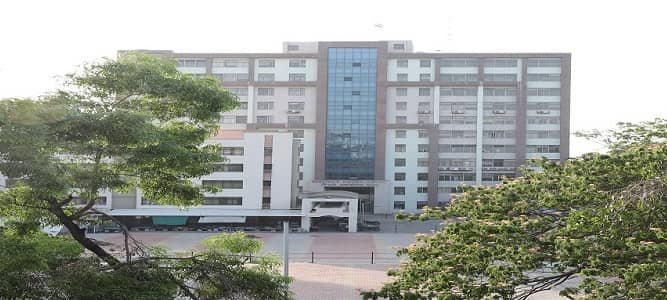
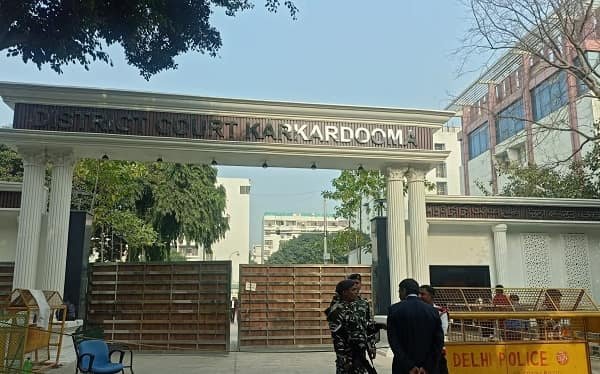
The Dwarka Courts Complex — located in Sector 10 of Dwarka, one of Asia’s largest planned residential sub-cities in South-West Delhi — is a modern, purpose-built judicial complex inaugurated on September 6, 2008, by then Chief Justice of India Justice K.G. Balakrishnan. Established as part of Delhi’s strategic judicial decentralisation programme, the Dwarka Courts Complex serves the South-West District and IGI Domestic Airport jurisdiction — two of Delhi’s most dynamically growing and commercially significant judicial catchments. With four seven-storeyed interconnected blocks housing 79 courtrooms, the complex has brought the full machinery of district justice within accessible reach of millions of citizens in Dwarka, Najafgarh, Palam, Kapashera, and surrounding areas who previously had to navigate across the city for basic court access.
History
Before the Dwarka Courts Complex came into existence, residents of South-West Delhi had no dedicated district court complex serving their rapidly expanding urban area. The explosive growth of Dwarka as a planned residential sub-city — developed by the Delhi Development Authority and often referred to as one of the largest planned residential areas in Asia — created an entirely new population centre of hundreds of thousands of residents whose judicial needs remained unserved by any proximate court infrastructure. The creation of the South-West District as an administrative unit and the subsequent judicial need it generated made the Dwarka Courts Complex both necessary and inevitable.
The complex was completed in 2008 and inaugurated on September 6, 2008, by Chief Justice of India K.G. Balakrishnan in a landmark ceremony that marked the formal beginning of dedicated judicial infrastructure for South-West Delhi. Courts began functioning from September 8, 2008 — just two days after the inauguration. From its first day of operation, the complex took over jurisdiction of civil and criminal matters arising in the South-West District and matters related to IGI Domestic Airport — including the complex and frequently high-value airport-related commercial and transit disputes that arise from India’s busiest airport.
Structure and Composition
| Dimension | Detail |
| Inaugurated | September 6, 2008 — by CJI Justice K.G. Balakrishnan |
| Courts functioning from | September 8, 2008 |
| Location | Sector 10, Dwarka, New Delhi |
| Campus area | 3.70 hectares |
| Building structure | Four blocks — seven storeys — interconnected |
| Courtrooms | 79 courtrooms |
| Administrative block | Separate Admin Block — connected to courtroom blocks at certain levels |
| Lawyers’ Chambers | Independent 8-storeyed dedicated Lawyers’ Chambers Block |
| Jurisdiction | South-West District + IGI Domestic Airport |
| Court types | Civil, Criminal, MACT, Family Courts (HQs), commercial courts |
| Legal aid | Delhi State Legal Services Authority office within complex |
| Mediation Centre | Functioning within complex — trained mediators |
| Bar Association | Dwarka District Court Bar Association (DDCBA) |
| Metro access | Sector 10, Dwarka Metro Station |
Architecture — Design Philosophy and Innovation
The Dwarka Courts Complex is designed around a fundamental architectural concept that distinguishes it from older court buildings — Judges’ Chambers are placed on separate and exclusive floors sandwiched between two courtroom floors. This thoughtful design principle creates a clear spatial separation between judicial deliberation spaces and the active proceedings spaces, ensuring that judges have secure, private, and undisturbed working environments without requiring separately located buildings or time-consuming movement between wings.
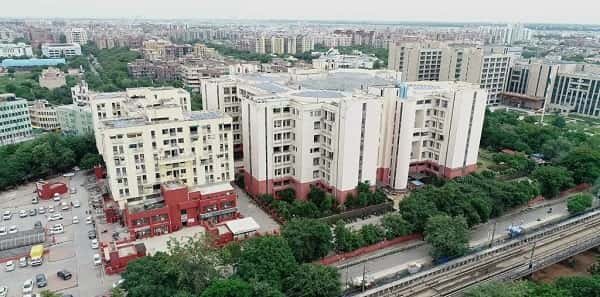
The Court Complex comprises two seven-storeyed courtroom block buildings and one administrative block building — all interconnected at strategic levels — alongside one eight-storeyed independent Lawyers’ Chambers Block. The interconnection at specific levels creates a functionally unified complex while maintaining the distinct character of each building component. The lower and upper ground floors of the complex provide public facilities, ensuring that litigants, witnesses, and advocates have accessible, comfortable access points into the judicial infrastructure. Ample space is provided in all courtrooms for proper seating arrangements for witnesses, visitors, victims, litigants, and lawyers — a design investment that reflects the court planners’ recognition that dignified physical space contributes to dignified legal proceedings.
Frequently Asked Questions
Q: When was the Dwarka Courts Complex inaugurated?
A: September 6, 2008 — by Chief Justice of India K.G. Balakrishnan.
Q: Where is the complex located?
A: Sector 10, Dwarka, New Delhi — covering a campus area of 3.70 hectares.
Q: Which districts does Dwarka Court serve?
A: The South-West District of Delhi and matters related to IGI Domestic Airport.
Q: How many courtrooms are available?
A: 79 courtrooms across four interconnected seven-storeyed blocks.
Q: What is distinctive about the building’s design?
A: Judges’ Chambers are placed on exclusive floors sandwiched between courtroom floors — ensuring judicial privacy and security by design.
Q: How is the complex accessible?
A: By metro — alighting at Sector 10, Dwarka Metro Station — and by bus, auto, and taxi.
Q: Does the complex have a dedicated Lawyers’ Chambers Block?
A: Yes — an independent eight-storeyed Lawyers’ Chambers Block is a separate structure within the complex.