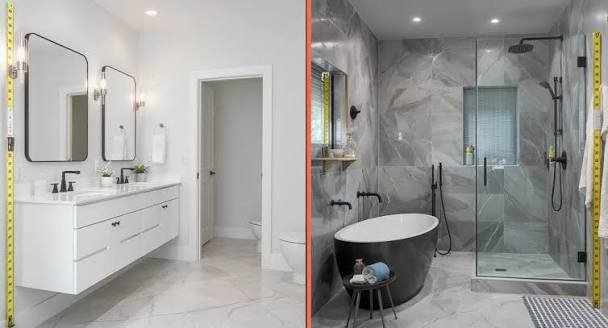
A window can be closed perfectly and still make a room noticeably hotter. The reason is sunlight: solar radiation passes through the glass and heats floors, furniture and other indoor surfaces. Once that energy is inside, controlling it becomes harder.
Homeowners generally have two ways to reduce this problem. They can improve the window itself with better glazing and frames, or stop direct sunlight before it reaches the glass using external shading.
Both approaches can improve indoor comfort, but they solve different parts of the problem. External shading can be especially effective at controlling direct solar exposure because it intercepts sunlight outside the building. Energy-efficient windows provide a broader improvement by controlling heat transfer and solar gain while maintaining an enclosed, weather-protected opening.
For a home with severe direct sun—particularly west-facing windows—good external shading can deliver a major improvement. For new construction or windows already due for replacement, energy-efficient glazing becomes much more attractive. In demanding locations, combining the two can provide the strongest result.
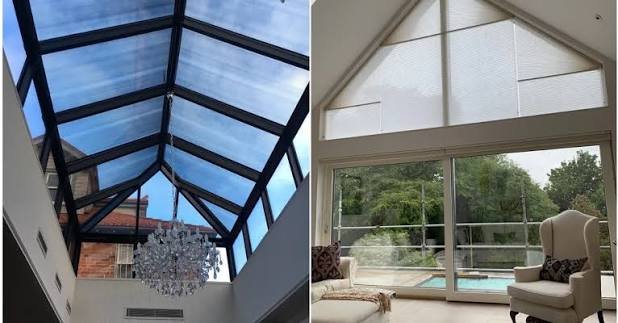
Energy-Efficient Windows vs External Shading: Quick Comparison
| Factor | Energy-Efficient Windows | External Window Shading |
|---|---|---|
| Reduces direct solar heat | Yes, depending on glazing | Yes, often very effectively |
| Blocks sun before glass | No | Yes |
| Reduces conductive heat transfer | Yes | Limited |
| Useful in summer | Yes | Yes |
| Useful in cooler weather | Yes | Adjustable designs are particularly useful |
| Daylight impact | Usually moderate | Depends on shade design |
| View | Mostly preserved | May be partially obstructed |
| Retrofit complexity | Higher if full window replacement | Often lower |
| Maintenance | Low to moderate | Moderate |
| Best for | Overall window performance | Direct solar heat control |
What Are Energy-Efficient Windows?
“Energy-efficient window” is a broad term rather than one specific product.
Performance can be improved through features such as:
- Double glazing
- Low-emissivity (Low-E) coatings
- Appropriate solar-control glass
- Insulated glazing units
- Better frame materials/design
- Improved seals
- Suitable air gaps between panes
The objective is to control how easily heat passes through the complete window assembly.
Two aspects are particularly important in hot climates:
Solar heat gain: How much solar energy enters through the window.
Thermal transmission: How easily heat passes through the window because of temperature differences between indoors and outdoors.
A window should therefore be selected according to climate and orientation rather than simply by counting the number of glass panes.
What Is External Window Shading?
External shading places a barrier between direct sunlight and the window.
Examples include:
- Fixed chajjas
- Exterior louvers
- Horizontal overhangs
- Vertical fins
- Exterior blinds
- Retractable awnings
- Suitable architectural screens
Because these devices operate outside the glass, they can intercept solar radiation before much of it enters the room.
This makes external shading fundamentally different from an indoor curtain.
1. Reducing Direct Solar Heat
Winner: External shading
If intense direct sunlight is the main reason a room overheats, blocking that sunlight before it reaches the window is highly effective.
Consider a west-facing bedroom.
During the afternoon, low-angle sunlight can strike the glass for hours. The glass, floor, bed, walls and furniture absorb solar energy, increasing indoor heat.
An appropriately designed external shade intercepts part of that radiation outdoors.
This tackles the problem close to its source.
2. Reducing Heat Transfer Through the Window
Winner: Energy-efficient windows
External shade controls sunlight but does not substantially change the insulating properties of the glass itself.
Better glazing can.
A well-designed window system can reduce heat transfer between outdoor and indoor environments.
This becomes valuable when:
- Outdoor temperature is very high.
- The room is air-conditioned.
- Windows remain closed for long periods.
- The home experiences both hot summers and cooler winters.
The window therefore improves the building envelope even when direct sunlight is not hitting the glass.
3. West-Facing Windows
Winner: External shading with appropriate design
West-facing windows can be particularly difficult during Indian summers because they receive strong afternoon sun when outdoor temperatures may already be high.
The low angle of afternoon sunlight can also make a simple horizontal overhang less effective.
Depending on orientation and site conditions, shading may need:
- Vertical fins
- Adjustable louvers
- Screens
- Awnings
- Combination shading
There is no universal shade depth that works for every window.
Orientation, latitude, window dimensions and nearby buildings all affect performance.
4. South-Facing Windows
Winner: Properly designed external overhang
For many locations in the Northern Hemisphere, high summer sun can be easier to control on suitable south-facing openings using horizontal shading.
An overhang can be designed to block more high-angle summer sun while allowing some lower-angle winter sunlight.
Actual performance depends on location and geometry.
This is why architectural shading should ideally be designed using sun angles rather than added as a decorative feature afterward.
5. Double Glazing
Winner: Energy-efficient window
Double glazing uses two panes separated by a sealed space.
Its major advantage is improved thermal performance compared with basic single glazing when the complete unit is properly designed.
However, double glazing does not automatically mean excellent solar control.
Different glass combinations can have different solar properties.
For a hot, sunny location, homeowners should consider the complete glazing specification rather than asking only:
“Is it double glazed?”
The type of glass and coatings matter too.
6. Daylight
Winner: Energy-efficient windows, generally
A well-selected energy-efficient window can reduce unwanted heat while still allowing substantial daylight.
External shading physically blocks part of the sky or direct sunlight.
Poorly designed shading can make an interior unnecessarily dark, increasing dependence on electric lighting during daytime.
The objective should not necessarily be to eliminate sunlight completely.
It is to achieve a useful balance between:
Daylight + glare control + solar heat control
Adjustable external shading can be particularly helpful because it can respond to changing conditions.
7. View From the Room
Winner: Energy-efficient windows
Glazing upgrades can preserve an unobstructed view.
External:
- Louvers
- Screens
- Fins
- Awnings
may affect the view depending on their design.
For a window overlooking a garden or attractive landscape, this can matter.
A homeowner may prefer solar-control glazing where preserving the view is a high priority.
8. Retrofit Cost
Winner: External shading, often
If existing windows are structurally sound, replacing the entire window system solely to reduce direct sunlight can be a substantial project.
A carefully designed external shade may solve much of the solar-exposure problem without replacing the window.
Full window replacement can involve:
- New frames
- Glass
- Removal of old units
- Installation
- Finishing work
- Possible disruption to walls
However, if windows are already damaged, poorly sealed or due for replacement, upgrading their thermal performance during replacement can make more sense.
9. Air-Conditioned Rooms
Winner: Combination
An air-conditioned room benefits from controlling both:
- Solar heat entering through glass.
- Heat transfer through the building envelope.
External shading can reduce the solar load reaching the window.
Energy-efficient glazing can improve the window’s thermal performance.
Together, they reduce different pathways of heat gain.
This can help the AC maintain comfortable indoor conditions more effectively, although actual energy savings depend on the complete building, equipment and usage.
10. Non-Air-Conditioned Rooms
Winner: External shading
For a naturally ventilated room, reducing direct solar exposure can provide an immediate comfort benefit.
If the budget is limited, shading a strongly sun-exposed window may provide better value than replacing otherwise functional windows with expensive glazing.
Other measures still matter, including:
- Cross ventilation
- Ceiling fans
- Roof heat control
- Wall shading
- Appropriate curtains
Window treatment is only one part of summer comfort.
11. Curtains vs External Shading
Winner: External shading for solar interception
Curtains can reduce glare and improve comfort, but sunlight has already passed through the glass before it reaches an indoor curtain.
The curtain can absorb some of that energy and become warm.
An external shade intercepts solar radiation earlier.
This does not make curtains useless. They remain valuable for:
- Privacy
- Glare control
- Interior design
- Additional light control
But they are not identical to exterior solar shading.
12. Maintenance
Winner: Energy-efficient windows
Once properly installed, modern glazing generally requires routine cleaning and attention to seals/hardware over time.
External shading has more exposure to:
- Dust
- Rain
- Wind
- Birds
- Leaves
- Outdoor pollution
Moving systems such as exterior blinds or retractable awnings also contain mechanisms that may require maintenance.
Fixed overhangs and architectural fins can be simpler but still need cleaning and inspection.
13. Wind and Weather
Winner: Energy-efficient windows
External shades must survive outdoor conditions.
This is particularly important for:
- High-rise flats
- Exposed terraces
- Windy locations
- Large awnings
Retractable products may need to be closed during unsuitable wind conditions.
Fixed shades need appropriate structural anchoring.
Any external installation should also be detailed carefully so that fixing points do not create water-entry problems.
14. Appearance
Winner: Depends on the house
External shading changes the building’s façade.
That can be an advantage when shading is integrated into the architecture.
A well-designed chajja or screen can add character.
A poorly planned aftermarket shade can look out of place.
Energy-efficient glass can provide a more visually discreet upgrade because much of the improvement is incorporated into the window itself.
Apartment owners should also check society or building rules before altering the exterior façade.
15. Whole-House Heat Reduction
Winner: Neither by itself
Replacing or shading one window will not solve every overheating problem.
Heat can enter a home through:
- Roof
- External walls
- Windows
- Air leakage
- Direct sunlight
- Internal appliances
For a top-floor room, roof heat may be more important than the window.
For a west-facing room with a large glass opening, solar heat through the window may dominate.
Identify the major source before spending money.
Should You Upgrade the Glass or Add Shade First?
A useful decision sequence is:
Step 1: Identify which windows receive problematic direct sunlight.
West- and east-facing glazing often deserves particular attention.
Step 2: Check the existing windows.
If they are in good condition, shading may be the more economical first intervention.
Step 3: Consider how the room is used.
An air-conditioned bedroom may benefit more from improved glazing than a permanently open, naturally ventilated balcony area.
Step 4: Preserve useful daylight.
Do not solve heat gain by unnecessarily making every room dark.
Step 5: Consider combining measures.
For severe exposure, good glazing and external shade can work together.
Energy-Efficient Windows or External Shading: Which Should You Choose?
Choose energy-efficient windows if:
- Existing windows need replacement anyway.
- Air conditioning is used frequently.
- Thermal insulation matters throughout the year.
- You want to preserve an open view.
- External façade modifications are restricted.
- You are building a new home.
Choose external shading if:
- Direct sunlight is the main overheating problem.
- Existing windows are otherwise in good condition.
- You want a potentially lower-cost retrofit.
- Particular windows receive intense afternoon sun.
- You want to block solar radiation before it reaches the glass.
Choose both for highly exposed windows where maximum heat control is the goal.
Which Is Better for Reducing Heat?
If the problem is specifically direct solar heat entering through a sunny window, external shading can be one of the most effective solutions because it stops a significant part of the sunlight before it reaches the glazing.
If the objective is broader year-round window performance, energy-efficient glazing has the advantage because it can reduce heat transfer even when the window is not receiving direct sunlight.
For homeowners planning a renovation, the most cost-effective sequence is often to diagnose the problem before replacing anything.
A perfectly good window receiving brutal afternoon sun may need shade more than replacement. An old, poorly sealed window in an air-conditioned room may justify a complete upgrade.
And when a large window has both poor thermal performance and severe solar exposure, the strongest answer may not be choosing between the two.
Improve the window and control the sun before it reaches it.
FAQs
Q1. Is external shading better than double glazing for reducing summer heat?
A. External shading can be particularly effective when direct sunlight is the main source of heat because it intercepts solar radiation before it reaches the glass. Double glazing improves thermal performance, but its solar-control ability also depends on the type of glass and coatings used.
Q2. Which windows need shading most in Indian homes?
A. Windows receiving prolonged direct sunlight deserve priority. West-facing windows can be especially challenging because of intense afternoon sun, although the actual requirement depends on the building’s orientation, nearby structures and local climate.
Q3. Are curtains as effective as external window shades?
A. Curtains can reduce glare and improve indoor comfort, but external shades intercept sunlight before it passes through the glass. For controlling direct solar heat, properly designed exterior shading therefore has an important advantage.
Q4. Is double glazing worth installing in an air-conditioned room?
A. It can be beneficial because better glazing can reduce heat transfer through the window. Its value depends on climate, glass area, window orientation, existing window performance, AC usage and the specification of the new glazing.
Q5. Can I use energy-efficient glass and external shading together?
A. Yes. They address different parts of heat gain. External shading reduces solar radiation reaching the window, while efficient glazing improves the thermal performance of the window itself. Combining them can be useful for highly exposed rooms.