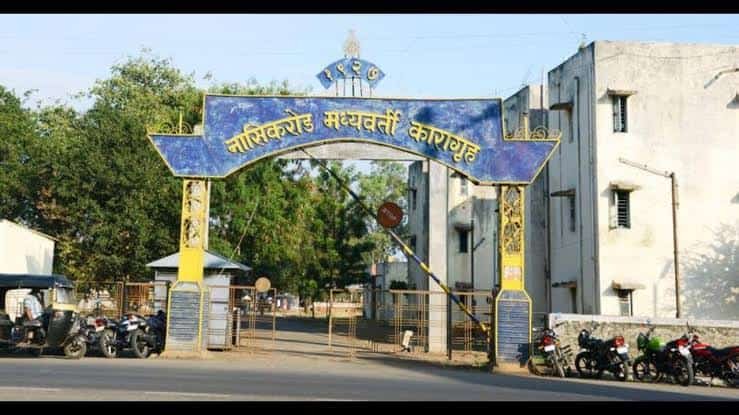
Nashik Road Central jail is one of Maharashtra’s significant central jails, established in the late 1920s in the Nashik Road suburb of Nashik city. Best known for holding freedom fighter Sane Guruji during India’s independence movement, the facility sits along a road that itself came to be named “Jail Road” after the prison, reflecting how deeply it has shaped the local geography of this fast-growing suburb.
| Quick Facts | Details |
|---|---|
| Full name | Nashik Road Central Jail |
| Location | Central Jail Road, Nashik Road, Nashik, Maharashtra |
| Established | 1927–1928 |
| Status | Operational |
| Managed by | Maharashtra Prisons and Correctional Services (Nashik Region) |
Where Exactly Is It Located
Nashik Road Central Prison is located on Central Jail Road in the Nashik Road suburb, about 8 km southwest of Nashik city’s core, and closely associated with one of the area’s major roads, locally referred to as Jail Road.
- Address: Central Jail Road, Nashik Road, Nashik, Maharashtra – 422101
- Nearby landmark: Close to Nashik Road railway station and Indira Gandhi Chowk
- Access: Well connected via Nashik Road railway station, one of India’s busiest and oldest stations, along with the Nashik-Pune Highway (NH 50) and local city transport
Nashik Road itself has grown into one of the fastest-growing suburbs in the region, home to nearly 575,000 residents, with Jail Road standing as one of its major thoroughfares — a naming choice that reflects just how central the prison has been to this locality’s identity.
The Origins: Established in the Late 1920s
Nashik Road Central Prison was established around 1927–1928, placing it among the prisons built in the final decades of British colonial rule in India, somewhat later than many of the 19th-century central jails covered elsewhere in this series.
- Sources place its founding year at either 1927 or 1928, reflecting the transitional records typical of jails established during this period
- Built in the Nashik Road area, which was administratively distinct from Nashik city proper until being merged into the Nashik Municipal Corporation in 1984
Sane Guruji’s Imprisonment
The jail’s most historically significant connection is to Pandurang Sadashiv Sane, widely known as Sane Guruji, one of Maharashtra’s most beloved freedom fighters, writers, and social reformers.
- Sane Guruji was imprisoned at Nashik Road Central Prison in 1933 during India’s independence movement
- He remains one of the most celebrated Marathi literary and social figures of the 20th century, known for his contributions to Indian literature and his lifelong commitment to social reform, including efforts toward temple entry for Dalits
- His imprisonment here ties Nashik Road Central Prison directly into the broader network of Indian jails that held prominent nationalist and social reform figures during the freedom struggle
Present-Day Function
Nashik Road Central Prison continues to operate as one of the key correctional facilities within Maharashtra’s Nashik Region, which also includes Nashik Road Open Prison and several district jails across the wider region, including those in Ahilyanagar, Dhule, Nandurbar, Jalgaon, and Bhusaval.
- Functions as part of the broader Nashik Region prison administration under the Maharashtra Prisons and Correctional Services
- Continues to serve Nashik city and its surrounding districts as a central detention and correctional facility
Can You Visit Nashik Road Central Prison
Nashik Road Central Prison is not open to the general public, since it functions as an active correctional facility. Visits are restricted to legal representatives and approved family members under standard Maharashtra Prisons and Correctional Services procedures.
FAQs
Q1: When was Nashik Road Central Prison established?
A. It was established around 1927–1928, during the later years of British colonial rule in India.
Q2: Why is Nashik Road Central Prison historically significant?
A. It’s best known for having held freedom fighter and social reformer Sane Guruji in 1933, during India’s independence movement.
Q3: Why is the road near the jail called “Jail Road”?
A. The road running alongside the prison came to be locally known as Jail Road (Central Jail Road), reflecting the facility’s long-standing presence and influence on the surrounding Nashik Road suburb’s geography.
Q4: What other prisons are part of the same administrative region as Nashik Road Central Prison?
A. It falls under Maharashtra’s Nashik Region, which also includes Nashik Road Open Prison and several district jails in Ahilyanagar, Dhule, Nandurbar, Jalgaon, and Bhusaval.