If you grew up in a Punjabi household, you probably remember hot paranthas with a generous helping of white butter. Maybe it was breakfast before school or a Sunday meal when everyone sat together. Either way, that taste tends to stay with you. Fresh makkhan has always been part of everyday cooking in many North Indian homes. Whether it’s served with sarson da saag or spread over a warm roti, there’s something familiar about it. And for many of us, it brings back memories of food made by our mothers and grandmothers.
Farm-Churned Heritage in Every Spoonful
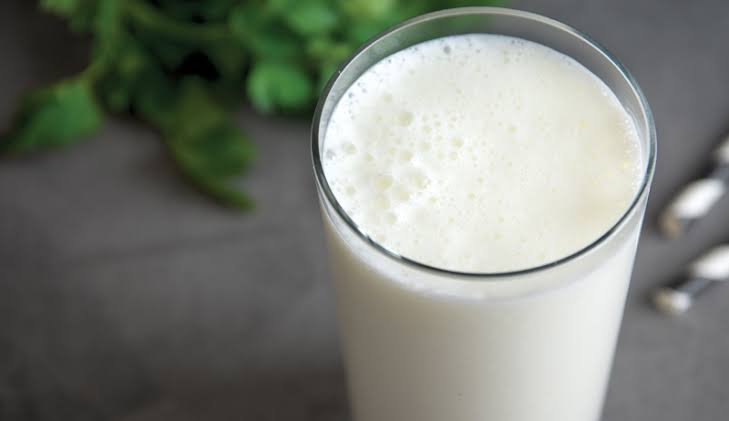
Making white butter at home was once quite common in Punjab, Haryana and Uttar Pradesh. Many households would collect malai over a few days instead of buying butter from the market. The cream was often left to culture before being churned with a wooden madhani. After a while, the butter would separate from the liquid and could be scooped out, leaving behind buttermilk that was used for drinking or cooking. If you’ve tasted butter made this way, you might have noticed a slight tanginess. That comes from the cultured cream and gives it a different flavour from regular salted butter. Even today, some families in villages continue making it at home rather than relying entirely on packaged varieties.
Where White Butter Belongs on the Plate
In Punjab, a spoonful of butter goes straight onto hot makki di roti, usually served with sarson da saag. Aloo paranthas are another popular choice, especially when they’re fresh off the tawa. Dal makhani gets some of its rich, creamy texture from butter added during cooking. Head towards Mumbai, and you’ll find butter used generously in pav bhaji as well. In parts of Rajasthan and Uttar Pradesh, people also enjoy it with bajra rotis or a simple bowl of khichdi. You don’t really need a special recipe to use it. Sometimes, a little butter on a hot roti is enough.
Stocking Your Pantry the Modern Way
Of course, not everyone has the time to prepare white butter at home. Earlier, buying fresh butter often meant visiting a local dairy or asking someone who made it regularly. These days, you can find packaged white butter on a grocery delivery app alongside your usual kitchen essentials. It’s worth checking the ingredient list, storage instructions and available freshness information before choosing a product. If you’re planning to make paranthas or saag over the weekend, you can add atta, dals, rice, spices and fresh vegetables to the same order. A grocery delivery app can also be useful when you want to reorder products you’ve bought before. Just make sure the butter is refrigerated as recommended once it reaches home.
A Spoonful of Home
Food memories aren’t always about elaborate meals. Sometimes, they’re about a hot parantha, a bowl of saag or the way someone would insist on adding another spoonful of butter to your plate. That’s what makes fresh white butter such a familiar part of Indian cooking. You may not have a wooden churn at home, but you can still enjoy those traditional combinations. Whether you’re making a family recipe or preparing a simple breakfast, a little white butter can bring back a taste you’ve known for years.