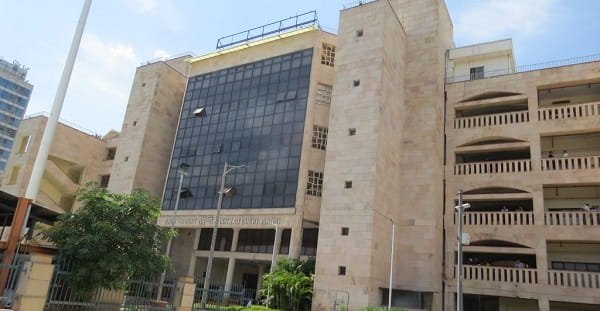
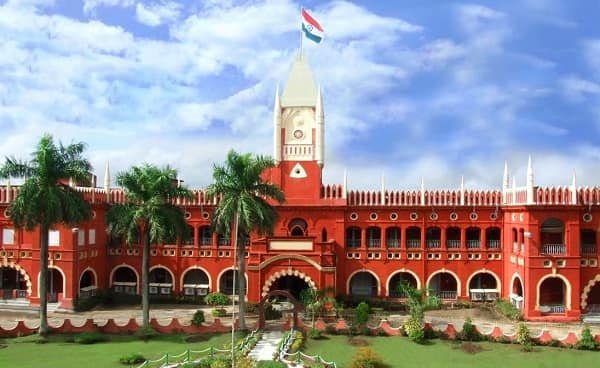
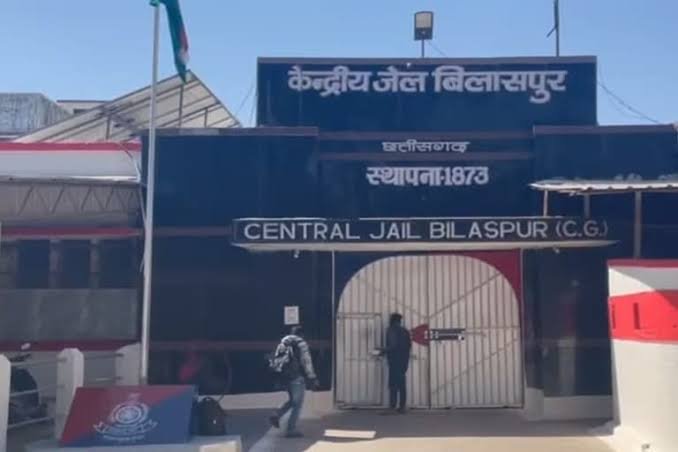
Bilaspur Central Jail is one of Chhattisgarh’s oldest prisons, established in 1873 in the aftermath of the 1857 Revolt, as British authorities built up penal infrastructure to suppress future uprisings. Located in Bilaspur, now known as Chhattisgarh’s “judicial capital” thanks to the state High Court’s presence in the city, this jail carries a direct connection to India’s freedom movement through a dramatic episode involving a stolen tricolour during the Civil Disobedience Movement.
| Quick Facts | Details |
|---|---|
| Full name | Central Jail Bilaspur |
| Location | Masanganj, Bilaspur, Chhattisgarh |
| Established | 1873 |
| Status | Operational |
| Managed by | Chhattisgarh Prisons Department |
Where Exactly Is It Located
Central Jail Bilaspur is located in the Masanganj area of Bilaspur city, Chhattisgarh’s commercial hub and judicial capital, home to the Chhattisgarh High Court.
- Address: Central Jail, Masanganj, Bilaspur, Chhattisgarh
- Nearby landmark: Located within Bilaspur city, close to Bilaspur Junction railway station
- Access: Well connected via Bilaspur’s city bus network; Bilaspur Junction, a major railway hub on the Howrah–Nagpur–Mumbai line, is close by
Bilaspur’s status as Chhattisgarh’s “Nyayadhani” (Law Capital), owing to the Chhattisgarh High Court’s location at nearby Bodri, gives this jail a notable place within the state’s broader legal and administrative landscape.
The Origins: Built in the Shadow of 1857
Bilaspur Central Jail was established in 1873, in the period immediately following the Revolt of 1857, when British colonial authorities were actively working to prevent any resurgence of organised rebellion across their Indian territories.
- Built as part of a deliberate colonial strategy to strengthen the machinery for suppressing anti-British activity following the events of 1857
- Places it in the same generation as several other central jails built across India during this period, including Raipur Central Jail, also constructed in 1873
Kranti Kumar Bhartiya and the Tricolour Incident
One of the most vivid episodes in Bilaspur Central Jail’s history took place during the Civil Disobedience Movement of 1930, involving freedom fighter Kranti Kumar Bhartiya.
- In 1930, Bhartiya, who had escaped from custody in connection with the Kashi Post Office robbery case, arrived in Bilaspur and became involved in energising the local Civil Disobedience Movement
- On 18 August 1930, he hoisted the tricolour at the town hall
- In a further act of defiance, he then snatched the tricolour from police custody and hoisted it again at the government high school
- For these actions, he was sentenced to six months’ imprisonment, which he served at Bilaspur Central Jail
This episode illustrates how even a relatively smaller central jail like Bilaspur’s became directly entangled in the broader currents of the independence movement, hosting activists who directly confronted colonial authority within the very city the jail was meant to help control.
From Colonial Suppression to Post-Independence Continuity
According to local historical records, the jail’s original colonial-era function — as an instrument for suppressing rebellion and protest — carried forward even after India’s independence, with the facility continuing to be used in relation to managing dissent and unrest in subsequent decades.
Present-Day Facilities
Bilaspur Central Jail has adopted modern technology to improve prisoner access to legal and family support.
- A Prison Calling System has been installed, allowing inmates to communicate with relatives and lawyers
- Court hearings for prisoners are conducted through video conferencing, reducing the need for physical transport to court
These measures reflect a broader modernisation trend seen across many Indian central jails, aimed at improving both security and prisoner welfare through digital infrastructure.
Can You Visit Bilaspur Central Jail
Bilaspur Central Jail is not open to the general public, since it functions as an active correctional facility. Visits are restricted to legal representatives and approved family members under standard Chhattisgarh Prisons Department procedures.
FAQs
Q1: When was Bilaspur Central Jail established?
A. It was established in 1873, in the period following the Revolt of 1857, as part of British efforts to strengthen colonial control.
Q2: Who was Kranti Kumar Bhartiya and why is he connected to this jail?
A. He was a freedom fighter who hoisted the tricolour in Bilaspur during the 1930 Civil Disobedience Movement, an act for which he served a six-month sentence at Bilaspur Central Jail.
Q3: Does Bilaspur Central Jail use modern technology for prisoner access?
A. Yes, it has installed a Prison Calling System for communication with relatives and lawyers, and conducts court hearings via video conferencing.
Q4: Why is Bilaspur significant beyond its jail?
A. The city is known as Chhattisgarh’s “Nyayadhani” (Law Capital), being home to the Chhattisgarh High Court, and serves as a major commercial and railway hub for the region.