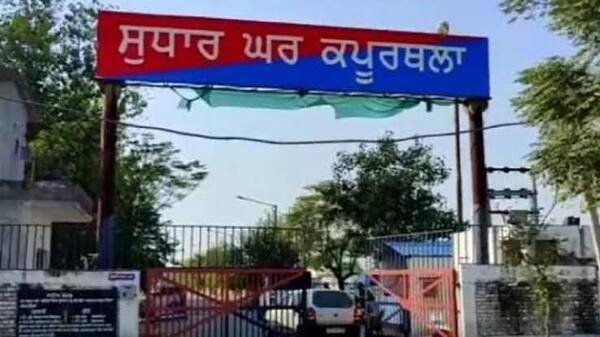
Central Jail Kapurthala sits in a city with a distinctly royal past — Kapurthala was once the capital of a princely state ruled by the Ahluwalia dynasty, known for its French and Indo-Saracenic architecture and nicknamed the “city of Palaces & Gardens.” The jail itself, though, tells a more gradual administrative story: built in 1884 as a modest sub-jail, it climbed the ranks over more than a century, eventually being upgraded to full central jail status only in 2015.
| Quick Facts | Details |
|---|---|
| Full name | Central Jail Kapurthala |
| Location | Jail Road, Kapurthala, Punjab |
| Built | 1884, as a Sub Jail |
| Upgraded to District Jail | 1983 |
| Upgraded to Central Jail | 2015 |
| Authorised capacity | 723 inmates (678 male, 45 female) |
| Status | Operational |
| Managed by | Punjab Prisons Department |
Where Exactly Is It Located
Central Jail Kapurthala is located on Jail Road in the Jhal Thikriwal area of Kapurthala city, in Punjab’s Kapurthala district. The city itself, founded in the 11th century by Rana Kapur, a descendant of the Rajput royal house of Jaisalmer, later became the capital of the princely Kapurthala State under the Ahluwalia Sikh rulers.
- Address: Central Jail, Jail Road, Jhal Thikriwal, Kapurthala, Punjab – 144802
- Nearby landmark: Located in the Jhal Thikriwal locality along Jail Road in Kapurthala
- Access: Well connected via Kapurthala’s local road network and easily reachable by auto or cab from most parts of the city
Kapurthala’s broader identity as a princely city known for its palaces stands in contrast to the far more utilitarian, functional design typical of the jail itself.
The Origins: A Gradual Climb in Status
Unlike many of India’s central jails, which were established directly as major British-era penal institutions, Kapurthala’s jail took a much slower path to its current designation.
- Built in 1884 as a modest Sub Jail, a lower tier of prison typically handling short-term detentions and minor cases
- Upgraded to District Jail status in 1983, nearly a century after its initial construction
- Finally elevated to full Central Jail status in 2015, marking its transition into handling long-term convicts and more serious cases
This step-by-step progression — sub-jail to district jail to central jail — reflects how prison infrastructure in smaller Indian cities often expanded gradually alongside population growth and administrative needs, rather than being built from the outset as a major central facility.
Structure and Capacity
Central Jail Kapurthala operates on a relatively modest scale compared to many of India’s larger central prisons.
- Authorised capacity of 723 inmates, split between 678 male and 45 female prisoners
- Includes a five-bedded jail hospital along with an Out Patient Opioid Assisted Treatment (OOAT) Centre for prisoners dealing with substance dependency, reflecting broader efforts to address drug-related issues within Punjab’s prison population
- Runs vocational training programs for both male and female inmates, including courses in electrician work, plumbing, carpentry, and tailoring, aimed at rehabilitation and post-release livelihood support
Security Concerns and Gangster-Related Incidents
Like several jails across Punjab, Kapurthala Central Jail has faced security challenges tied to the state’s broader struggle with organised crime operating from within its prison system.
- In March 2017, violent clashes broke out at Kapurthala jail within days of a similar incident at Gurdaspur jail, part of a wider pattern of unrest linked to power struggles between jail security staff and gang networks operating from inside Punjab’s prisons
- Punjab’s prison system as a whole has faced persistent challenges with gangster-run networks, with over 300 identified gangsters lodged across the state’s 26 jails at various points, often organising criminal activity from behind bars
- In 2023, a security lapse at the jail resulted in the recovery of five mobile phones, four SIM cards, and batteries from inmates, highlighting ongoing contraband smuggling concerns common to many Indian prisons
COVID-19 Response and Welfare Measures
During the COVID-19 pandemic, Kapurthala Central Jail implemented several measures in line with broader state directives to manage the health crisis within its confined population.
- 372 prisoners were released on parole and interim bail as part of a High Power Committee directive from the Punjab government aimed at decongesting jails during the pandemic
- Prisoners were provided canteen facilities and telephone booths as welfare measures
- Inmates were sensitised on hygiene practices and encouraged to maintain social distancing to limit virus transmission within the facility
Can You Visit Central Jail Kapurthala
Central Jail Kapurthala is not open to the general public, since it functions as an active correctional facility. Visits are restricted to legal representatives and approved family members under standard Punjab Prisons Department procedures.
FAQs
Q1: When did Kapurthala’s jail become a central jail?
A. It was only upgraded to central jail status in 2015, having started as a sub-jail in 1884 and later becoming a district jail in 1983.
Q2: How many inmates can Central Jail Kapurthala hold?
A. It has an authorised capacity of 723 inmates, comprising 678 male and 45 female prisoners.
Q3: Has Kapurthala jail faced security incidents?
A. Yes, it experienced violent clashes in March 2017 linked to gang-related power struggles common across Punjab’s prisons, and has also seen contraband seizures, including mobile phones, in more recent years.
Q4: What rehabilitation programs does the jail offer?
A. It runs vocational training in trades like electrician work, plumbing, carpentry, and tailoring for both male and female inmates, along with medical support through a jail hospital and an OOAT centre for substance treatment.