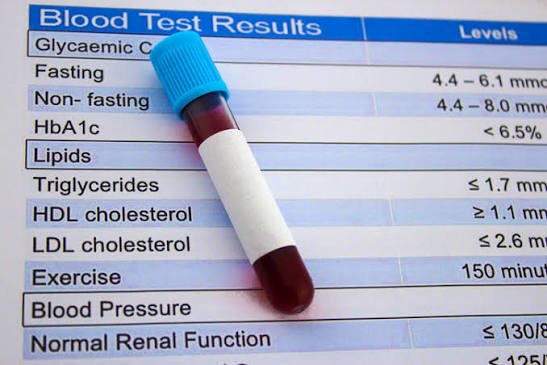
A blood sugar result can be above the usual range without automatically meaning a person has diabetes. There is an intermediate range called prediabetes, where glucose levels are higher than normal but have not reached the diagnostic threshold for diabetes.
That distinction matters because prediabetes is an important early warning sign. It indicates an increased risk of developing type 2 diabetes in the future, but progression is not inevitable. Diabetes, meanwhile, means blood glucose has reached established diagnostic criteria and requires appropriate medical evaluation and ongoing management.
Doctors can use several tests to distinguish between the two, particularly fasting plasma glucose, HbA1c and the oral glucose tolerance test (OGTT). A single home-glucose reading should not be used to diagnose either condition.
Prediabetes vs Diabetes: Quick Comparison
| Test/Factor | Prediabetes | Diabetes |
|---|---|---|
| Fasting plasma glucose | 100–125 mg/dL | ≥126 mg/dL |
| HbA1c | 5.7%–6.4% | ≥6.5% |
| 2-hour 75-g OGTT | 140–199 mg/dL | ≥200 mg/dL |
| Blood sugar | Above normal | Meets diabetes threshold |
| Symptoms | Often none | May be absent or present |
| Future diabetes risk | Increased | Diabetes already present |
| Medical follow-up | Important | Required |
| Management | Lifestyle changes and individual medical assessment | Individual treatment and ongoing monitoring |
These commonly used thresholds reflect widely used diagnostic criteria. Diagnosis should be made by a qualified healthcare professional, and abnormal results may need confirmation depending on the circumstances.
What Is Prediabetes?
Prediabetes means blood glucose levels are higher than the normal range but not high enough to meet the criteria for diabetes.
It is associated with an increased risk of:
- Type 2 diabetes
- Cardiovascular disease
- Other metabolic health problems
Prediabetes often causes no obvious symptoms.
Someone may therefore discover it only through routine blood testing.
The term should not be interpreted as meaning that diabetes will definitely develop. Risk varies, and appropriate lifestyle and medical management can make a meaningful difference.
What Is Diabetes?
Diabetes mellitus is a group of conditions characterised by persistently elevated blood glucose.
The major types include:
- Type 1 diabetes
- Type 2 diabetes
- Gestational diabetes
- Other less common forms
Type 2 diabetes is the form most closely associated with the progression from prediabetes.
However, diabetes should not automatically be assumed to be type 2 solely because an adult has a high blood glucose result. Appropriate medical assessment is necessary.
1. Fasting Blood Sugar: Prediabetes vs Diabetes
A fasting plasma glucose test measures blood glucose after the required fasting period.
Commonly used thresholds are:
Normal: below 100 mg/dL
Prediabetes: 100–125 mg/dL
Diabetes: 126 mg/dL or higher
The fasting conditions matter.
A random reading taken during the day after eating cannot be interpreted using fasting thresholds.
Likewise, a reading from a home glucose meter is useful for monitoring in appropriate situations but is not the same as a laboratory diagnostic test.
2. HbA1c: Prediabetes vs Diabetes
HbA1c provides information about average blood glucose exposure over roughly the previous two to three months, with more recent glucose levels contributing more to the result.
Common diagnostic ranges are:
Normal: below 5.7%
Prediabetes: 5.7%–6.4%
Diabetes: 6.5% or higher
HbA1c has the advantage of not requiring fasting.
However, certain medical conditions and circumstances can affect HbA1c accuracy. A doctor may therefore use another glucose test when HbA1c may not reliably reflect blood glucose.
3. Oral Glucose Tolerance Test
The oral glucose tolerance test examines how the body handles a measured glucose load.
For the standard 75-gram OGTT, the two-hour plasma glucose result is commonly interpreted as:
Normal: below 140 mg/dL
Prediabetes: 140–199 mg/dL
Diabetes: 200 mg/dL or higher
The test must be performed according to appropriate medical and laboratory procedures.
Do not attempt to reproduce an OGTT at home using sweets or sugary drinks.
4. Random Blood Glucose
A random plasma glucose test does not require fasting.
A random plasma glucose of 200 mg/dL or higher in a person with classic symptoms of hyperglycaemia or a hyperglycaemic crisis can support a diabetes diagnosis.
Without clear symptoms, further testing or confirmation may be required.
This is another reason that interpreting a single blood sugar number without context can be misleading.
5. Does Prediabetes Cause Symptoms?
Usually, there may be no obvious symptoms.
A person can have prediabetes for years without knowing it.
This is why testing can be important for people whose healthcare professionals identify relevant risk factors.
Do not wait for symptoms before discussing testing if a doctor has recommended it.
6. What Symptoms Can Occur With Diabetes?
Some people with diabetes—particularly type 2 diabetes—also have few or no symptoms initially.
When blood glucose becomes sufficiently elevated, possible symptoms can include:
- Increased thirst
- Frequent urination
- Unusual tiredness
- Blurred vision
- Unexplained weight loss
- Slow-healing wounds
- Recurrent infections
These symptoms can have other causes as well.
Blood testing and medical assessment are required for diagnosis.
7. Is Prediabetes the Same as “Mild Diabetes”?
No.
Prediabetes and diabetes have different diagnostic ranges.
Calling prediabetes “mild diabetes” can create unnecessary confusion.
Prediabetes means glucose regulation is abnormal and the risk of future diabetes is increased, but the diagnostic criteria for diabetes have not been met.
It should still be taken seriously because it provides an opportunity to address risk early.
8. Does Prediabetes Always Become Diabetes?
No.
Prediabetes increases the likelihood of developing type 2 diabetes, but progression is not guaranteed.
Blood glucose can remain in the prediabetes range, progress to diabetes or return below the prediabetes threshold.
The outcome depends on multiple factors, including:
- Genetics
- Age
- Physical activity
- Overall dietary pattern
- Sleep
- Certain medical conditions
- Medications
- Other metabolic risk factors
Regular follow-up helps determine how glucose levels are changing over time.
9. What Causes Prediabetes?
Prediabetes commonly involves insulin resistance and/or impaired insulin production.
Insulin is a hormone that helps regulate blood glucose.
When cells become less responsive to insulin, the pancreas may initially compensate by producing more. Over time, glucose regulation may become increasingly difficult in susceptible individuals.
There is rarely one single cause.
Family history and genetics can be important alongside lifestyle and health factors.
10. What Causes Type 2 Diabetes?
Type 2 diabetes develops through a combination of insulin resistance and progressive difficulty producing enough insulin to maintain normal glucose levels.
Risk can be influenced by:
- Genetics and family history
- Age
- Physical inactivity
- Certain health conditions
- History of gestational diabetes
- Metabolic factors
Type 2 diabetes should not be reduced to the idea that someone simply “ate too much sugar.”
Its development is considerably more complex.
11. Can Children and Teenagers Develop Prediabetes or Diabetes?
Yes.
Type 1 diabetes commonly develops in children and young people, although it can occur at any age.
Type 2 diabetes and prediabetes can also occur in younger people.
Blood glucose concerns in a child or teenager should be evaluated by an appropriate healthcare professional rather than managed through self-directed restrictive diets.
Young people still require adequate nutrition for growth, development, learning and physical activity.
12. What Should You Do After a Prediabetes Result?
The first step is to discuss the result with a healthcare professional.
They may consider:
- Which test was performed
- Whether repeat testing is needed
- Family history
- Blood pressure
- Other laboratory results
- Medications
- Overall health
Lifestyle measures may form an important part of management.
These can include regular physical activity and a varied eating pattern built around foods such as vegetables, fruits, pulses, whole grains and other appropriate foods.
The goal should be sustainable health habits—not crash dieting or extreme food restriction.
13. Does Prediabetes Require Medicine?
Not everyone with prediabetes requires medication.
Management is individual.
Lifestyle intervention is important, while medication may be considered in selected people depending on their risk factors and medical circumstances.
The decision should be made with a healthcare professional rather than based only on an HbA1c value found on a laboratory report.
14. How Is Diabetes Treated?
Treatment depends on the type of diabetes and the individual.
It can include:
- Nutrition and lifestyle support
- Physical activity
- Blood glucose monitoring when appropriate
- Oral or injectable medicines
- Insulin
- Management of blood pressure and cholesterol
- Regular medical follow-up
People with type 1 diabetes require insulin because their bodies do not produce enough insulin.
Type 2 diabetes treatment varies considerably from person to person.
15. Can One High Blood Sugar Reading Diagnose Diabetes?
Not always.
When there are no unequivocal symptoms of hyperglycaemia, diagnosis generally requires appropriate confirmatory testing.
Blood glucose can also be temporarily affected by factors such as illness and certain medications.
If a laboratory report shows a result in the diabetes range, do not ignore it—but also do not diagnose yourself from the report.
Arrange appropriate medical follow-up.
16. Prediabetes vs Diabetes: Why the Difference Matters
The distinction is not merely about crossing a number on a chart.
Prediabetes indicates that glucose regulation has become abnormal and future risk is elevated.
Diabetes indicates that established diagnostic criteria have been reached.
Both deserve attention, but management and follow-up can differ.
Early identification can give people and their healthcare teams more opportunity to address modifiable risk factors and monitor changes.
How to Read Your Blood Sugar Report
When looking at a report, first identify which test was performed.
Fasting Plasma Glucose
- Below 100 mg/dL: generally normal
- 100–125 mg/dL: prediabetes range
- 126 mg/dL or above: diabetes range
HbA1c
- Below 5.7%: generally normal
- 5.7%–6.4%: prediabetes range
- 6.5% or above: diabetes range
Two-Hour 75-g OGTT
- Below 140 mg/dL: generally normal
- 140–199 mg/dL: prediabetes range
- 200 mg/dL or above: diabetes range
These numbers are useful for understanding the report, but diagnosis belongs in the clinical context. Pregnancy, age, symptoms, medical conditions and other circumstances can change how glucose testing is performed or interpreted.
The Key Difference to Remember
The simplest distinction is:
Normal blood sugar → Prediabetes range → Diabetes range
Prediabetes is an intermediate state, not a guarantee that diabetes will develop.
Diabetes means blood glucose has reached recognised diagnostic thresholds and requires ongoing medical attention.
If your test falls into either abnormal range, the useful next step is not panic or drastic dietary restriction. It is to confirm what the test means for you with a qualified healthcare professional and make appropriate, sustainable changes where needed.
FAQs
Q1. What fasting blood sugar level indicates prediabetes?
A. A fasting plasma glucose level of 100–125 mg/dL is commonly classified in the prediabetes range. A result of 126 mg/dL or higher falls within the diabetes diagnostic range and generally requires appropriate clinical confirmation when there are no unequivocal symptoms.
Q2. What HbA1c level indicates diabetes?
A. An HbA1c of 6.5% or higher is within the diagnostic range for diabetes. HbA1c from 5.7% to 6.4% is generally classified as prediabetes. A healthcare professional should interpret the result because certain conditions can affect HbA1c accuracy.
Q3. Does prediabetes always turn into type 2 diabetes?
A. No. Prediabetes increases future risk, but progression is not inevitable. Glucose levels may improve, remain in the prediabetes range or progress, depending on multiple health, genetic and lifestyle factors.
Q4. Can you have diabetes without symptoms?
A. Yes. Type 2 diabetes can develop without obvious symptoms, particularly in its earlier stages. Blood testing is therefore important when a healthcare professional recommends screening.
Q5. Can diabetes be diagnosed with a home glucose meter?
A. Home glucose meters are useful for monitoring when appropriate, but diabetes diagnosis should be based on recognised clinical testing and interpreted by a qualified healthcare professional rather than a single home-meter reading.