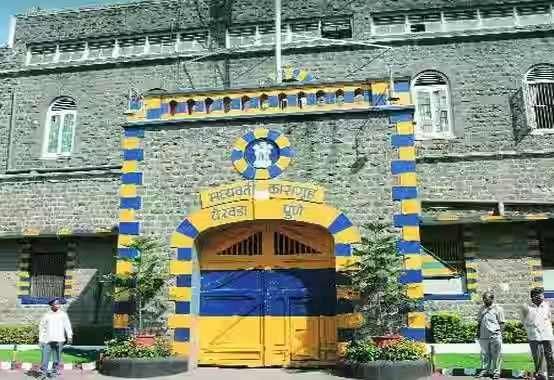
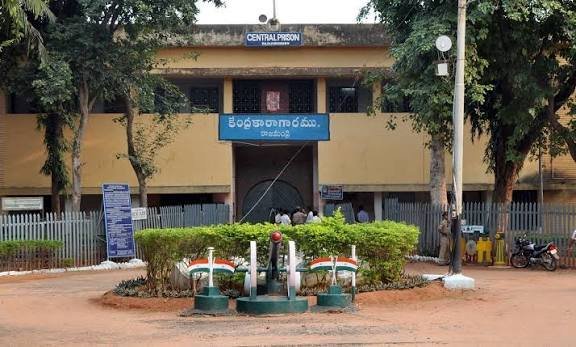
Rajahmundry Central Jail carries one of the more unusual origin stories among India’s central prisons — it began life not as a jail at all, but as a Dutch fort built in 1602. Located in Rajamahendravaram (formerly Rajahmundry) in Andhra Pradesh’s East Godavari district, this facility was converted into a prison by the British in 1864 and elevated to central jail status just six years later. Spread across nearly 200 acres, it remains one of the larger and older correctional institutions in South India, known today as much for its vocational and educational programs as for its colonial-era past.
| Quick Facts | Details |
|---|---|
| Full name | Rajamahendravaram Central Prison (formerly Rajahmundry Central Prison) |
| Location | Rajamahendravaram, East Godavari district, Andhra Pradesh |
| Original structure | Dutch fort, built 1602 |
| Converted to jail | 1864 |
| Elevated to central jail | 1870 |
| Total area | 196 acres |
| Built-up area | 37.24 acres |
| Authorised capacity | 1,648 (per some records); 1,052 criminal + 13 civil prisoners (per others) |
| Status | Operational |
| Managed by | Andhra Pradesh Prisons and Correctional Services |
Where Exactly Is It Located
Rajahmundry Central Jail sits in Rajamahendravaram city, along Central Jail Road in the Sanjeevaiah Nagar area, close to the local police quarters. The city itself sits on the banks of the Godavari river, one of the reasons the Dutch chose this location for their original fort centuries ago.
- Address: Central Jail Road, Sanjeevaiah Nagar, Rajahmundry (Rajamahendravaram), Andhra Pradesh – 533105/533106
- Nearby landmark: Close to Police Quarters, Rajahmundry, and Kakinada GNT Road
- Access: Well connected via Rajahmundry Railway Station and Rajahmundry Airport, both within a short distance of the city; easily reachable by auto or cab from the city centre
The jail’s central location within the city has, much like similar older prisons elsewhere in India, made it a subject of periodic relocation proposals over the years.
From Dutch Fort to British Prison
The site’s history stretches back far earlier than most Indian central jails. In 1602, the Dutch built a fort in what was then Rajahmundry, as part of their broader trading and colonial presence along India’s eastern coast.
- The British took over the structure and converted it into a jail in 1864
- It was elevated to full central jail status in 1870, becoming one of seven such institutions established across the Madras Presidency
- The prison’s layout follows a radiating design, a common architectural principle in colonial-era prisons meant to make surveillance and control of inmates easier from a central point
This makes Rajahmundry one of the few Indian prisons whose physical origins predate the British colonial prison system entirely, having started life as a European fortification nearly two and a half centuries before it held its first prisoner.
Structure and Scale
Rajahmundry Central Jail is notably large by Indian standards, spread across a total of 196 acres, though only a fraction of that land is occupied by actual buildings.
- Built-up area covers roughly 37.24 acres, with the rest used for open spaces, agricultural activity, and support infrastructure
- Authorised capacity is generally cited around 1,648 inmates, with some official figures breaking this down as 1,052 criminal prisoners and 13 civil prisoners
- As of past reported figures, the prison held a population close to 1,328, running somewhat under its stated capacity, unlike many of India’s other overcrowded central jails
Vocational Training and Educational Reform
Rajahmundry Central Jail has built a reputation for its rehabilitation-focused programs, distinguishing it from many older Indian prisons that function primarily as detention facilities.
- Inmates are trained in furniture-making and other craft-based vocational skills
- The prison has run structured literacy programs, with around 240 prisoners reported to have completed their education and graduated while serving time
- Legal awareness courses are offered to inmates alongside vocational training
- Some prisoners are permitted to sell fruits and vegetables as part of livelihood and skill-building initiatives during their sentence
These programs have positioned Rajahmundry as one of the more reform-oriented central prisons in Andhra Pradesh, even as it continues functioning within its original 19th-century structure.
The 2012 Relocation Proposal
In 2012, a group of lawmakers proposed shifting Rajahmundry Central Jail from its current city-centre location to a new site in Jaggampeta, aiming to free up the existing 196-acre property for public use.
- Around 20 acres of the vacated land were proposed for a sports stadium
- 120 acres were earmarked for expanding the campus of Adikavi Nannaya University
- The remaining land was proposed for housing projects aimed at low-income residents
The proposal drew criticism from other regional lawmakers who opposed relocating a facility with such deep historical roots, and as with several similar proposals for older Indian jails, it does not appear to have been carried through to completion — the prison continues operating at its original site.
Can You Visit Rajahmundry Central Jail
Rajahmundry Central Jail is not open to tourists or the general public, since it remains an active correctional facility holding convicted long-term prisoners. Visits are restricted to legal representatives and approved family members under standard jail visitation procedures.
FAQs
Q1: Why does Rajahmundry Central Jail have Dutch connections?
A. The site originally housed a fort built by the Dutch in 1602, which the British later converted into a prison in 1864, nearly 260 years after its original construction.
Q2: How large is Rajahmundry Central Jail?
A. It spans 196 acres in total, though only about 37 acres are occupied by actual prison buildings, making it one of the larger central jails in South India by land area.
Q3: Was there ever a plan to relocate this jail?
A. Yes, a 2012 proposal suggested shifting it to Jaggampeta and repurposing the existing land for a stadium, a university campus expansion, and housing, though the relocation was never carried out.
Q4: What kind of rehabilitation programs does the jail offer?
A. Inmates receive vocational training in furniture-making and crafts, along with literacy and legal education programs, with around 240 prisoners having completed their education while incarcerated.