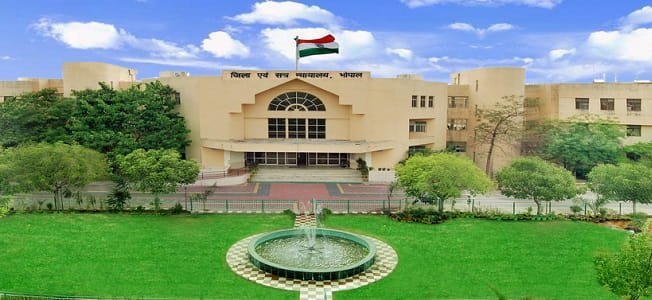
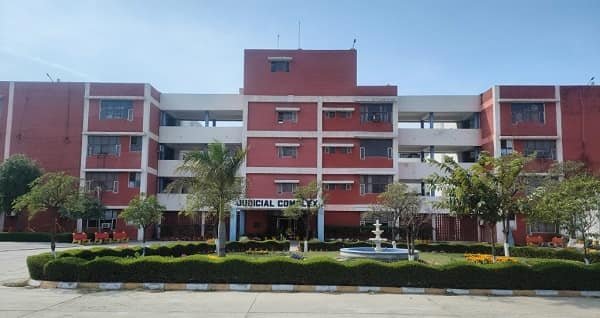
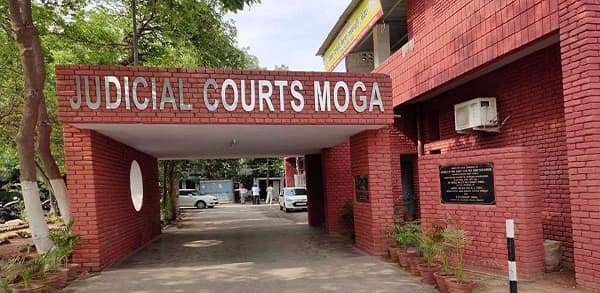
The District Court Moga — the apex trial court for the Moga Sessions Division in the state of Punjab — is one of Punjab’s newer district courts, serving a district that was carved out as the 17th district on the map of Punjab State on November 24, 1995. Before its formation as an independent district, Moga was the sub-division of Faridkot District. Yet the city of Moga carries a rich cultural and commercial history of its own — named after Moga Singh Gill, a prominent person of the Gill community, whose agricultural Jagir was transformed into a trading city when the railway arrived in 1901. Under the supervision of the Punjab and Haryana High Court at Chandigarh, the Moga District Court serves a district that has produced distinguished jurists — including multiple High Court judges from the same sessions division — and whose geographic position on the Ferozpur-Ludhiana road makes it a central commercial and judicial hub of Punjab’s south-western agricultural belt.
History
The origin of Moga as a city is precisely traceable to the arrival of railway infrastructure. Moga was named after Moga Singh Gill, a prominent member of the Gill community. In 1901, when the railway arrived in Moga, a Jagir — agricultural farm land — belonging to Sardar Moga Singh got converted into a city that became even bigger than its contemporary towns of Salina, Badhni, Zira, and Dharamkot in the surrounding area. It also became a trading centre for tea that was transported by train — earning it the phrase Moga Chah Joga, meaning Moga only has tea at that time.
District Moga was drawn on the Punjab map on November 24, 1995 — the 17th district of the state — carved out of Faridkot District. The district headquarters of Moga town is situated on the Ferozpur-Ludhiana road and falls under the jurisdiction of Ferozpur division. Its boundaries touch Jalandhar district in the north, Ludhiana district in the east, Sangrur in the south, and Faridkot and Ferozpur in the west. The district stretches over an area of 2,230 square kilometres, which constitutes 4.42 percent of the Punjab State’s total area.
The district has produced distinguished legal luminaries — Justice Gurbaksh Rai Majithia served as a Judge of the Punjab and Haryana High Court, Justice Mehtab Singh Gill served as Acting Chief Justice of the Punjab and Haryana High Court, and Lachhman Singh Gill served as Chief Minister of Punjab. This combination of judicial and political leadership produced from one district reflects the calibre of public life that Moga’s community has contributed to Punjab’s governance and legal institutions.
Structure and Composition
| Dimension | Detail |
| District formed | November 24, 1995 — 17th district of Punjab |
| Bifurcated from | Faridkot District |
| City name origin | Named after Moga Singh Gill — Gill community leader |
| Railway arrival | 1901 — transformed agricultural Jagir into a trading city |
| City identity | Moga Chah Joga — famous as tea trading centre post-1901 |
| Location | Ferozpur-Ludhiana road — Ferozpur division of Punjab |
| District area | 2,230 sq km — 4.42% of Punjab State |
| High Court supervision | Punjab and Haryana High Court, Chandigarh |
| Sub-divisions | Nihal Singh Wala and Baghapurana |
| Distinguished alumni | Justice Gurbaksh Rai Majithia (HC Judge), Justice Mehtab Singh Gill (Acting CJ PHC), Lachhman Singh Gill (CM Punjab) |
| Court types | Civil, Criminal, Family Courts, Special Courts |
| Digital services | eCourts Mission Mode — e-filing 3.0, CIS, SMS alerts, video conferencing |
| Legal Aid | DLSA Moga — Legal Aid Defence Counsel system |
Architecture and District Identity
The Moga District Court Complex — housing the principal Sessions Division Court alongside sub-divisional courts at Nihal Singh Wala and Baghapurana — serves a district whose agricultural character reflects Punjab’s most productive wheat and paddy farming geography. The Dharamkot block with 150 villages was added to Moga district through Punjab Government notification dated November 5, 1999, expanding the court’s jurisdictional catchment area.
The court’s digital infrastructure reflects Punjab’s progressive implementation of the eCourts Mission Mode Project — with e-filing 3.0 migration completed, CIS data uploaded daily to the National Judicial Data Grid, SMS-based case alert services active, and video conferencing facilities operational for remand hearings and urgent applications. The District Legal Services Authority Moga provides legal aid through its Legal Aid Defence Counsel system with a panel of advocates appointed for both civil and criminal matters — ensuring access to justice for eligible litigants across the Sessions Division regardless of financial capacity.
Frequently Asked Questions
Q: When was Moga district formed?
A: November 24, 1995 — as the 17th district of Punjab, carved out from Faridkot District.
Q: How did Moga city get its name?
A: Named after Moga Singh Gill, a prominent person of the Gill community whose agricultural Jagir was converted into a city when the railway arrived in 1901.
Q: Why was Moga called Moga Chah Joga?
A: Because after the railway arrived in 1901, Moga became a trading centre for tea transported by train — the phrase means Moga only has tea.
Q: What is the area of Moga district?
A: 2,230 square kilometres — constituting 4.42 percent of Punjab State’s total area.
Q: Which High Court supervises the Moga District Court?
A: The Punjab and Haryana High Court, Chandigarh.
Q: What distinguished jurists have connections to Moga?
A: Justice Gurbaksh Rai Majithia, former Judge of the Punjab and Haryana High Court, and Justice Mehtab Singh Gill, former Acting Chief Justice of the Punjab and Haryana High Court.
Q: What are the sub-divisions under the Moga Sessions Division?
A: Nihal Singh Wala and Baghapurana.
Q: What digital services are available at Moga District Court?
A: e-Filing 3.0, CIS data on National Judicial Data Grid, SMS case alerts, video conferencing, and the DLSA Moga legal aid portal.