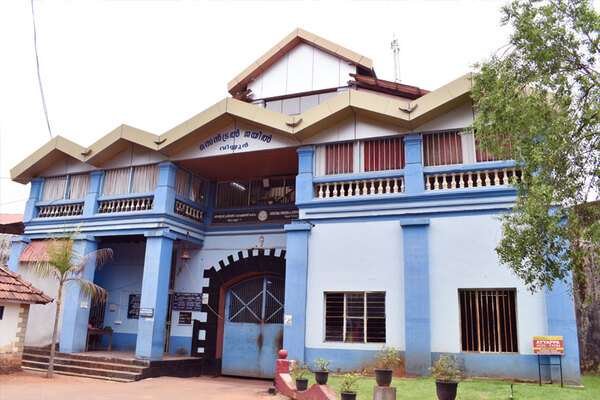
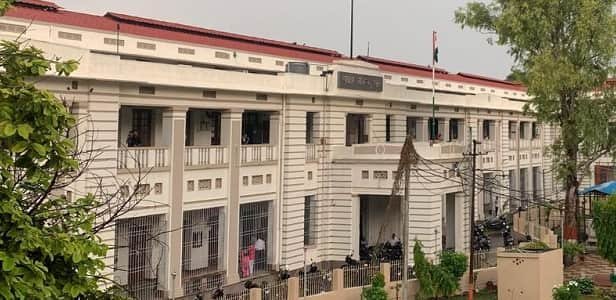
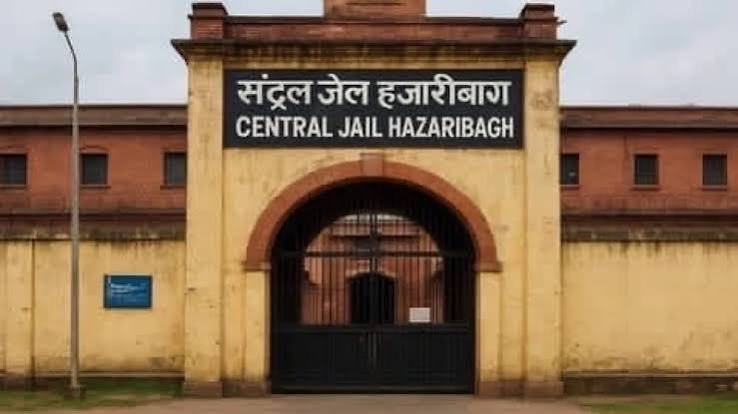
Officially renamed Lok Nayak Jai Prakash Narayan Central Jail, this is one of India’s oldest prisons, established in 1832 in Hazaribagh, Jharkhand. It’s most famous for a legendary jailbreak — the daring 1942 escape of freedom fighter Jayaprakash Narayan and his fellow inmates during the Quit India Movement, an event that turned JP into a national folk hero and remains one of the most celebrated prison escapes in India’s independence history.
| Quick Facts | Details |
|---|---|
| Full name | Lok Nayak Jai Prakash Narayan Central Jail |
| Location | Hazaribagh, Jharkhand |
| Established | 1832 |
| Total area | 100 acres |
| Security | Five-layer security wall |
| Status | Operational |
| Managed by | Jharkhand Prisons Department |
Where Exactly Is It Located
The jail is located in Hazaribagh city, Jharkhand, spread across a substantial 100-acre campus with a distinctive multi-layered security wall system.
- Address: Lok Nayak Jai Prakash Narayan Central Jail, Hazaribagh, Jharkhand
- Access: Well connected via Hazaribagh’s local road network
Its 100-acre footprint makes it one of the larger central jail campuses in eastern India, and the five-layer security wall reflects its status as a high-security facility, particularly relevant given Jharkhand’s history with Naxal-related detentions.
The Origins: One of India’s Oldest Jails
Hazaribagh Central Jail was established in 1832, placing it among the very oldest functioning prisons in India, predating even most of the 19th-century central jails built later under formalised British colonial prison policy.
- Its age puts it in a category with only a handful of other Indian jails, most of which were established several decades later, in the 1860s–1880s wave of central jail construction
- The facility has continued to operate at this original site for nearly two centuries
Freedom Fighters Imprisoned Here
Given its age and location in what was then Bihar, Hazaribagh Jail became closely tied to India’s freedom struggle, holding several prominent nationalist figures.
- Khan Abdul Gaffar Khan (the “Frontier Gandhi”) was also imprisoned here
- Jayaprakash Narayan was transferred to Hazaribagh Central Jail in 1941, following a long hunger strike at another facility
The Legendary 1942 Jailbreak
The single most famous event in the jail’s history is the escape of Jayaprakash Narayan and five fellow political prisoners during the Quit India Movement.
- On the night of 8–9 November 1942, timed deliberately for Diwali when jail guards were reduced due to festival leave, JP and his companions — including Yogendra Shukla and Suraj Narayan Singh — made their escape
- The group famously used 56 dhotis knotted together as a makeshift rope to scale the jail’s 17-foot-high wall
- The escape wasn’t without complications — in the rush, the group left behind a bundle containing their shoes and chappals, and JP, who was already unwell from his earlier hunger strike, struggled to run to safety after the jump
- This daring escape transformed Jayaprakash Narayan into a genuine folk hero of the independence movement, and he went on to organise the “Azad Dasta” (freedom brigade) from Nepal as part of the ongoing resistance against British rule
Charu Mazumdar’s Foiled Escape Attempt
Decades later, the jail featured in another significant chapter of Indian political history when Marxist-Leninist revolutionary Charu Mazumdar was held here as an inmate in 1973–74. A jailbreak attempt he was involved in was foiled by jail authorities at the time.
Heritage Preservation
In recognition of its historical significance, the ward that housed Jayaprakash Narayan, along with the cell where he later died, has been converted into a heritage building within the jail complex — preserving a direct physical link to one of India’s most storied independence-era escapes.
Present-Day Function
Today, the renamed Lok Nayak Jai Prakash Narayan Central Jail continues to operate as a functioning correctional facility, alongside its role as a site of historical memory.
- Includes a library, medical and counselling rooms, meeting facilities, and a layered security system
- Also houses a juvenile correction home facility
- The jail complex includes an associated open jail section — in a 2024 incident, a former Maoist who had surrendered in 2020 was found dead in the Hazaribag Open Jail, reflecting the facility’s continued role in Jharkhand’s broader efforts to manage former Naxal-linked individuals
- On 27 December 2025, Justice Sujit Narayan Prasad of the Jharkhand High Court visited the jail to inspect its facilities, part of ongoing judicial oversight of prison conditions in the state
Can You Visit Hazaribagh Central Jail
The jail is not open to the general public, since it functions as an active correctional facility. Visits are restricted to legal representatives and approved family members under standard Jharkhand Prisons Department procedures. The heritage ward associated with Jayaprakash Narayan’s imprisonment, however, has been preserved within the complex as a historical site.
FAQs
Q1: Why is this jail named after Jayaprakash Narayan?
A. It was officially renamed in his honour following his legendary 1942 escape during the Quit India Movement, one of the most celebrated jailbreaks in India’s freedom struggle.
Q2: How did Jayaprakash Narayan escape from Hazaribagh Jail?
A. On Diwali night in November 1942, he and five companions used 56 dhotis tied together to scale the jail’s 17-foot wall while guard numbers were reduced for the festival.
Q3: How old is Hazaribagh Central Jail?
A. It was established in 1832, making it one of the oldest functioning prisons in India, nearly two centuries old.
Q4: Who else was imprisoned here besides Jayaprakash Narayan?
A. Notable inmates include Khan Abdul Gaffar Khan during the freedom struggle, and Marxist-Leninist revolutionary Charu Mazumdar, who attempted a foiled jailbreak in 1973-74.