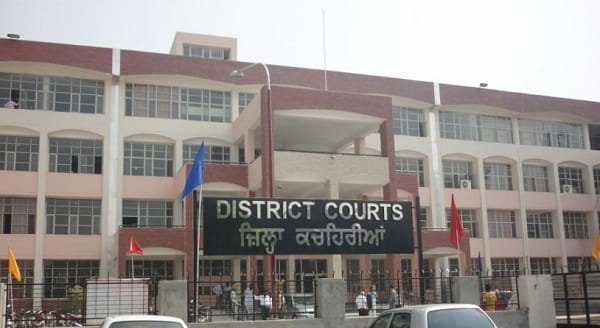
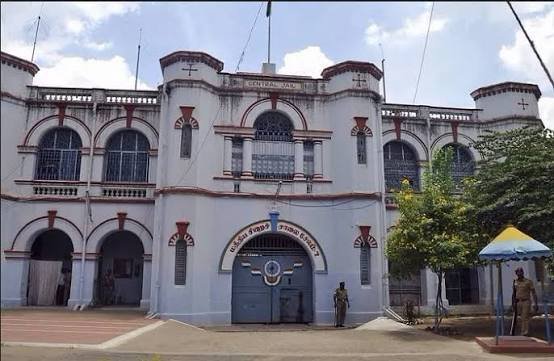
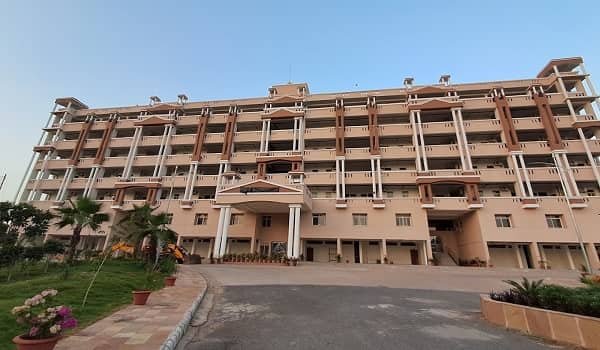
The District Court Meerut — the apex trial court for the Meerut Judgeship in the state of Uttar Pradesh — carries one of the most historically charged judicial legacies of any district court in India. The city of Meerut is immortalised in Indian history as the birthplace of the Revolt of 1857 — the first war of Indian independence — and the district court itself was set on fire by revolutionaries during that revolt, with the court having functioned in the Jali Kothi area of Meerut City in the 1850s before the revolt. The court’s present heritage building — constructed in 1864 at the location where district and sessions courts function today — was formally declared a Heritage Building by the Allahabad High Court in 2011, recognising its 160-year-old institutional and architectural significance. Under the supervision of the Allahabad High Court, the Meerut District Court serves one of western Uttar Pradesh’s most densely populated and historically significant cities.
History
In around 1860, Judge’s Court and Magistrate’s Court were established in Meerut city at the location where District and Sessions Courts are currently functioning. In the year 1864, the District Judge’s Court Building was constructed at its present location — a building now formally declared a Heritage Building by the Allahabad High Court vide letter No. 300/Infra Cell dated May 24, 2011. At the time of construction in 1864, the building had only 8 rooms including the Court Room of the District Judge and one Sadr Munsif. A marble stone fixed near the roof top in the gallery records the details of construction — it was built by Major Sir E. Leads Bart, Executive Engineer, with Mr. F. Ross as Assistant Commissioner and Roree Mul as the contractor. In 1864, the Judge’s Court was shifted from the Old Building to this present Heritage Building. The District Judge at that time was designated as Sadr-Us-Sadr.
In the 1850s, the Meerut Court was functioning in the Jali Kothi area of Meerut City. In the Revolt of 1857 — the first war of Indian independence — the court was set on fire by revolutionaries, making the Meerut District Court one of the very few district courts in India to have been directly affected by the events of 1857. By 1904, the District and Sessions Judge, Meerut was the head of Civil and Criminal Courts with two Subordinate Judges, two Munsifs, and two Additional Munsifs.
In 1875, Sheikh Ilahibuksh — a Rais of Lalkurti, Meerut Cantonment and a loyal British subject — constructed an Aaramgah (rest house) in the court compound for the benefit and use of litigants, one of the earliest documented instances of private philanthropic investment in district court litigant welfare in the region.
Structure and Composition
| Dimension | Detail |
| Courts established at present location | Around 1860 |
| Heritage Building constructed | 1864 |
| Heritage Building declared | May 24, 2011 — Allahabad HC letter No. 300/Infra Cell |
| Builder | Major Sir E. Leads Bart — Executive Engineer |
| Original rooms | 8 rooms including CJ Court Room and one Sadr Munsif |
| Pre-1864 court location | Jali Kothi area, Meerut City |
| 1857 revolt | Court set on fire by revolutionaries |
| District Judge designation (1864) | Sadr-Us-Sadr, District Meerut |
| 1875 Aaramgah | Constructed by Sheikh Ilahibuksh for litigants’ welfare |
| Total sitting judges | 53 sitting judges |
| High Court supervision | Allahabad High Court, Prayagraj |
| Special courts | Family Court, POCSO, SC/ST Atrocities, MACT within building |
| Digital services | eCourts Mission Mode Project — e-filing, Mediation Centre |
Architecture — The 1864 Heritage Building
The Meerut District Court’s 1864 Heritage Building — constructed under the supervision of Major Sir E. Leads Bart and certified as a Heritage Building by the Allahabad High Court in 2011 — represents 160 years of continuous judicial occupation at the same premises. The building’s original 8-room design for the District Judge and Sadr Munsif has expanded over successive decades to accommodate the full range of district court functions now spread across 53 sitting judges. The building’s heritage designation is significant — it means any renovation or modification must comply with the Allahabad High Court’s heritage building protocols, preserving the 19th-century colonial architectural character while ensuring contemporary functional adequacy.
Frequently Asked Questions
Q: When was the Meerut District Court Heritage Building constructed?
A: 1864 — at the present location where courts still function.
Q: When was the Heritage Building designation formally given?
A: May 24, 2011 — by the Allahabad High Court vide letter No. 300/Infra Cell.
Q: Who built the 1864 building?
A: Major Sir E. Leads Bart, Executive Engineer, with Mr. F. Ross as Assistant Commissioner and Roree Mul as contractor.
Q: What happened to the Meerut court during the 1857 revolt?
A: The court, then functioning in the Jali Kothi area, was set on fire by revolutionaries during the first war of Indian independence.
Q: How many sitting judges are at Meerut District Court?
A: 53 sitting judges.
Q: Which High Court supervises the Meerut District Court?
A: The Allahabad High Court, Prayagraj.
Q: What philanthropic contribution was made in 1875?
A:Sheikh Ilahibuksh constructed an Aaramgah (rest house) in the court compound for the benefit of litigants.