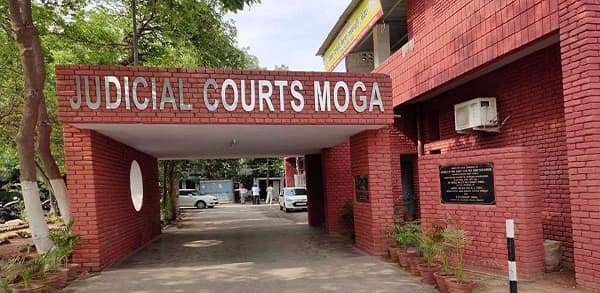
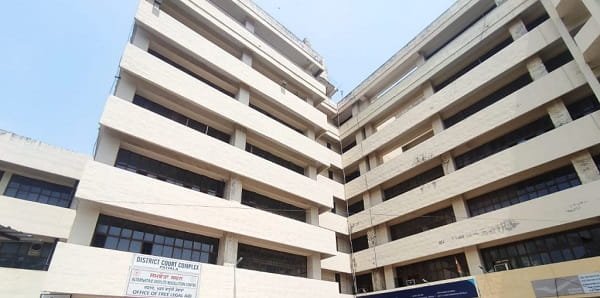
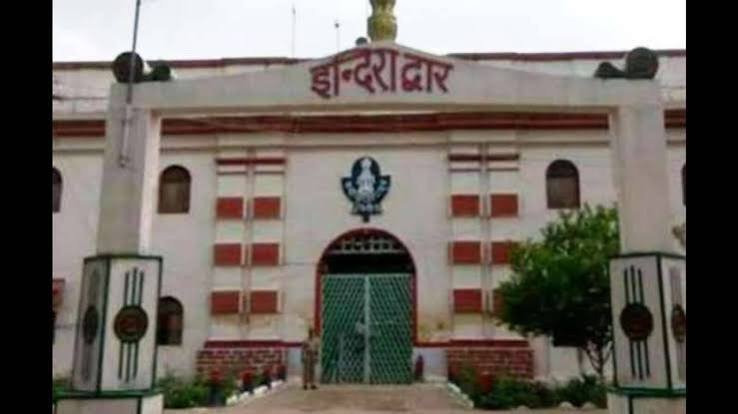
The District Court Rohtak — the apex trial court for the Rohtak Sessions Division in the state of Haryana — is one of the most historically grounded and institutionally significant district courts in the state, serving a city that has been part of successive administrative systems since the Mughal era. Under the supervision of the Punjab and Haryana High Court at Chandigarh, the Rohtak District Court functions from the Judicial Courts Complex Building situated near the Mini Secretariat at Sonepat Stand, Rohtak — serving a district formed as early as 1824 and declared an independent Sessions Division in 1955. The court’s Bar Association, founded in 1889, is one of Haryana’s oldest continuously functioning legal professional bodies, with a history that predates the court’s own Sessions Division status by more than six decades.
History
Rohtak district was formed as a separate administrative unit in 1824, consisting of the tehsils of Gohana, Kharakhauda-Mandothi, Rohtak-Beri, and Meham-Bhiwani. Before March 1, 1955, the Rohtak district was tagged to the Karnal district for judicial administration — a single District and Sessions Judge was appointed for both districts simultaneously. This arrangement proved cumbersome for lawyers and litigants who had to travel between districts for court work. The Bar represented against this inconvenient arrangement, and as a result a separate District and Sessions Judge was posted at Rohtak.
Rohtak was declared a separate Sessions Division on March 1, 1955, with Shri Jwala Dass posted as the first District and Sessions Judge. Shri Ram Gopal Kohli was posted as Senior Sub-Judge, Rohtak on April 9, 1959. The Court of Additional District and Sessions Judges — presided by Shri B.S. Yadav — was established at Rohtak on August 28, 1967. The Rohtak district itself carries deep historical roots — under Mughal Emperor Akbar, when his Minister Todar Mal divided North India into administrative circles, the Rohtak areas fell within the Sarkars of Delhi and Hisar. Lying close to Delhi, the tract was frequently granted as military jagir by both Sultans and Mughal emperors to nobles of the court, bringing Rajput, Brahman, Afghan, and Baluch chiefs to the region at different historical periods.
Structure and Composition
| Dimension | Detail |
| District formed | 1824 — Gohana, Kharakhauda-Mandothi, Rohtak-Beri, Meham-Bhiwani tehsils |
| Separate Sessions Division | March 1, 1955 |
| First District and Sessions Judge | Shri Jwala Dass |
| First Senior Sub-Judge | Shri Ram Gopal Kohli — April 9, 1959 |
| First ADJ Court | August 28, 1967 — presided by Shri B.S. Yadav |
| Location | Near Mini Secretariat, Sonepat Stand, Rohtak |
| High Court supervision | Punjab and Haryana High Court, Chandigarh |
| Courts in Sessions Division | DSJ Court, 6 Additional DSJ Courts, Civil Judge (Sr. Divn.), CJM, 6 Civil Judges (Jr. Divn.), 1 Addl. CJ (Sr. Divn.) Meham |
| Special courts | Labour Court, Consumer Court, Special Judicial Magistrate, Permanent Lok Adalat, Permanent and Continuous Lok Adalat (Samjhauta Sadan) |
| Bar Association | Founded 1889 — approximately 2,000 members |
| Digital services | eCourts Mission Mode Project — e-filing, CIS, SMS alerts |
Architecture and the Judicial Complex
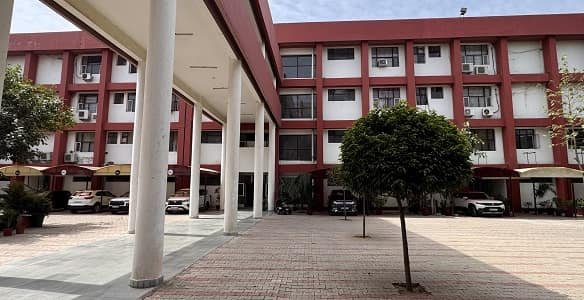
The Rohtak District Court functions from the Judicial Courts Complex Building situated near the Mini Secretariat at Sonepat Stand — a co-located judicial and administrative campus that places the courts within Rohtak’s central governmental zone. The complex houses all regular courts of the Sessions Division alongside specialised courts — including one Court of Special Judicial Magistrate, one Court of Permanent Lok Adalat for Public Utility Services, and one Court of Permanent and Continuous Lok Adalat known as Samjhauta Sadan — a distinctive alternative dispute resolution court whose name communicates the resolution philosophy it embodies. The Bar Association Rohtak, founded in 1889, is one of Haryana’s most historically significant legal professional organisations — with a founding that predates both Indian independence and Haryana’s formation as a separate state, reflecting the early legal culture that developed in a district historically close to Delhi’s administrative influence.
Frequently Asked Questions
Q: When was Rohtak declared a separate Sessions Division?
A: March 1, 1955.
Q: Who was the first District and Sessions Judge at Rohtak?
A: Shri Jwala Dass.
Q: When was Rohtak district formed?
A: 1824 — comprising Gohana, Kharakhauda-Mandothi, Rohtak-Beri, and Meham-Bhiwani tehsils.
Q: Where is the court complex located?
A: Near the Mini Secretariat, Sonepat Stand, Rohtak.
Q: When was the Rohtak Bar Association founded?
A: 1889 — making it one of Haryana’s oldest bar associations with approximately 2,000 current members.
Q: Which High Court supervises the Rohtak District Court?
A: The Punjab and Haryana High Court, Chandigarh.
Q: What is the Samjhauta Sadan court?
A: The Permanent and Continuous Lok Adalat — a dedicated alternative dispute resolution court functioning within the Rohtak Judicial Complex.
Q: What special courts function in the Rohtak Sessions Division?
A: Labour Court, Consumer Court, Special Judicial Magistrate Court, Permanent Lok Adalat for Public Utility Services, and Samjhauta Sadan.