The District and Sessions Court Alappuzha — the apex trial court for Alappuzha district in the state of Kerala — serves one of India’s most scenically and historically remarkable regions, known globally as the Venice of the East for its unique geography of backwaters, lagoons, rivers, and the broad Arabian Sea coastline that has shaped the district’s culture, commerce, and judicial identity for centuries. Carved out of erstwhile Kottayam and Kollam (Quilon) districts, Alleppey district was formed on August 17, 1957. Under the supervision of the Kerala High Court — seated in Ernakulam — the Alappuzha District Court serves a district that stretches across six taluks and carries the judicial traditions of the Travancore princely state, transforming from a region of Dutch commercial dominance and Travancore royal administration into a constitutionally governed district judiciary serving over two million citizens.
History
The name of the district, Alleppey — the anglicised form — was changed to Alappuzha as per Government Order dated February 7, 1990. It is assumed that the name of Alappuzha was derived from its geographical position and physical features, meaning the land between the sea and the network of rivers flowing into it.
The judicial history of Alappuzha flows directly from the Travancore State’s court system — one of the most progressively organised princely state judiciaries in British India. The district’s history under Maharaja Marthandavarma, the Maker of modern Travancore, saw the annexation of the Kingdoms of Kayamkulam, Ambalappuzha, Thekkumkur, Vadakkumkur, and Karappuram into Travancore — with each of these former kingdoms bringing its own traditions of local dispute resolution that were absorbed into the organised Travancore court system. Raja Kesava Das, the Diwan of Travancore known as the Maker of modern Alleppey, transformed Alappuzha into a premier port town — creating the commercial activity that generated the civil and commercial disputes driving litigation in the region’s courts.
As per Government Order dated October 29, 1982, Pathanamthitta district was newly constituted taking portions from the then Alappuzha, Kollam, and Idukki districts. The area transferred from the erstwhile Alappuzha district to Pathanamthitta district includes Thiruvalla taluk as a whole and parts of Chengannur and Mavelikkara taluks. Thus the present Alappuzha district comprises six taluks: Cherthala, Ambalappuzha, Kuttanad, Karthikappally, Chengannur, and Mavelikkara.
Lord Curzon — the Viceroy of the Indian Empire who visited Alleppey in the early 20th century — was so enchanted by the district’s scenic beauty that he famously declared it the Venice of the East — a sobriquet that placed Alappuzha on the world tourism map and continues to drive the tourism-related litigation and commerce that the district court regularly handles.
Structure and Composition
| Dimension | Detail |
| District formed | August 17, 1957 — carved from Kottayam and Kollam districts |
| Name changed | February 7, 1990 — from Alleppey to Alappuzha |
| Pathanamthitta carved out | October 29, 1982 — portions of Alappuzha transferred |
| Current taluks | 6 — Cherthala, Ambalappuzha, Kuttanad, Karthikappally, Chengannur, Mavelikkara |
| Location | Alappuzha — Thannermukkam Road, Ambalappuzha, Kerala |
| High Court supervision | Kerala High Court, Ernakulam |
| Historical description | Venice of the East — declared by Lord Curzon |
| Judicial tradition origin | Travancore State court system — post-Marthandavarma era |
| Court types | District and Sessions Court, Additional District Courts, Sub Courts, Munsiff Courts, Family Court, JFCM Courts |
| Digital services | eCourts Mission Mode Project — e-filing, virtual hearings, case status portal |
| Legal aid | District Legal Services Authority, Alappuzha |
Architecture and the Venice of the East Setting
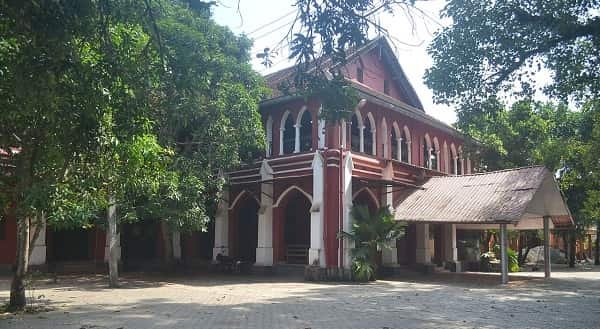
The District and Sessions Court Alappuzha — located on the Alappuzha-Thannermukkam Road in the Ambalappuzha area — functions within a geographic context unlike any other district court in India. Alappuzha is described as the smallest district in Kerala, with a long coastline and many lagoons and backwaters — a water-interlaced landscape that creates genuine judicial geography challenges, as litigants from houseboat communities, island villages, and backwater settlements access courts primarily by boat and road through a canal-crossed territory. The court complex serves litigants whose lives and livelihoods are bound to the water — fishermen, coir industry workers, paddy farmers of the Kuttanad below sea level farmlands, and the tourism economy workers who serve millions of visitors to the backwaters annually.
The Alappuzha District Court functions within the Kerala High Court’s jurisdiction framework — applying the same three-tier court structure of District and Sessions Judge, Sub Judges, and Munsiffs that operates across Kerala. The court’s unique jurisdictional character arises from Alappuzha’s backwater geography — property disputes involving water-body boundaries, fishing rights disputes, and matters arising from the district’s distinctive land and water use patterns give the Alappuzha judgeship a case profile that reflects the singular environment it serves. Digital courts and e-filing infrastructure have been particularly valuable in a district where physical travel to court can require navigating Kerala’s distinctive backwater transport network.
Frequently Asked Questions
Q: When was Alappuzha district formed?
A: August 17, 1957 — carved from erstwhile Kottayam and Kollam districts.
Q: When was the name changed from Alleppey to Alappuzha?
A: February 7, 1990 — by Government Order.
Q: Who gave Alappuzha the name Venice of the East?
A: Lord Curzon — the Viceroy of the Indian Empire — during his visit to Alleppey in the early 20th century.
Q: How many taluks does the present Alappuzha district have?
A: Six — Cherthala, Ambalappuzha, Kuttanad, Karthikappally, Chengannur, and Mavelikkara.
Q: What happened to the district in 1982?
A: Pathanamthitta district was carved out from Alappuzha in October 1982, taking Thiruvalla taluk and parts of Chengannur and Mavelikkara.
Q: Which High Court supervises the Alappuzha District Court?
A: The Kerala High Court, Ernakulam.
Q: What is the judicial tradition origin of Alappuzha?
A: The Travancore State court system — established progressively from the era of Maharaja Marthandavarma and expanded under Diwan Raja Kesava Das who made Alappuzha a premier port town.
Q: What makes the Alappuzha judicial setting unique?
A: The district’s backwater geography means litigants from island communities, houseboat settlements, and below-sea-level Kuttanad farmlands access courts through Kerala’s distinctive water transport network — making digital court infrastructure especially valuable.