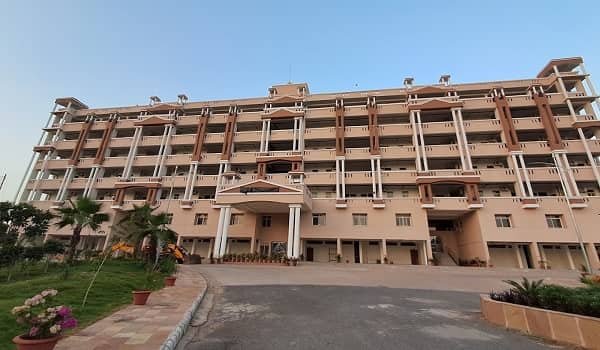
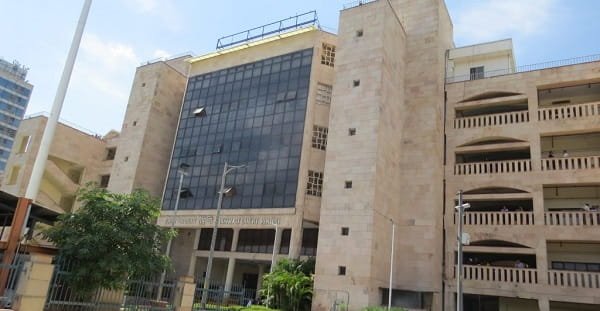
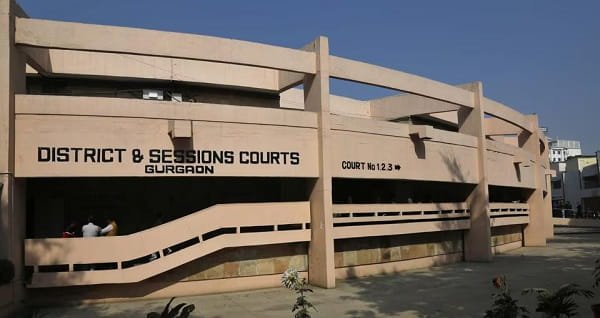
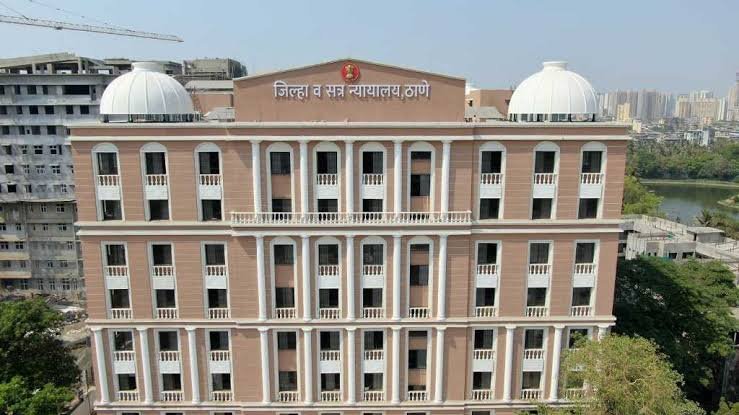
The District and Sessions Court Thane — the apex trial court of Thane district, Maharashtra, located in the heart of Thane city with a pin code of 400601 — is one of Maharashtra’s most significant and historically distinguished district courts, serving a district that adjoins Mumbai and has grown into one of India’s most densely populated regions. Earlier housed in the historic Pe-Shawe Wada — a traditional Maratha-era structural complex — and now functioning from a purpose-built campus spread across 16,435.60 square metres, the Thane District Court represents a continuous judicial tradition that stretches back to the colonial era, when Shri J.I. Hitten presided as District Judge in January 1900. Under the supervision of the Bombay High Court, the complex today houses the District and Sessions Court, Fast Track Courts, Family Court, Civil Judge courts — Senior and Junior Division — and the Co-operative Court, making it one of Maharashtra’s most comprehensively equipped district judicial campuses.
District and Sessions Court Thane History
Thane’s judicial history is intertwined with its unique historical identity as one of Maharashtra’s oldest cities — a settlement whose documented history predates British administration by centuries. The earliest judicial administration in Thane took place through the Pe-Shawe Wada — a traditional wada-type structure reflecting the Peshwa-era Maratha administrative tradition — within which the district court functioned for a significant period. The earliest recorded District Judge reference on the court’s official record dates to January 1900, when Shri J.I. Hitten held the position.
The physical evolution of the court campus reflects Thane’s rapid post-independence growth. In 1968-69, the present main building of the District Court was constructed — replacing the aging Pe-Shawe Wada arrangement with a purpose-built judicial structure appropriate to a district whose population and litigation volume had grown substantially since independence. In 2002, an Annex Building was constructed on the same plot, significantly expanding the campus’s courtroom and administrative capacity. In 2009, dedicated buildings for the Family Court and Fast Track Courts were added to the campus — creating a self-contained judicial complex where multiple court categories function on a single consolidated site, making access more convenient for litigants who often have matters in more than one court type.
District and Sessions Court Thane Structure and Composition
| Dimension | Detail |
| Original premises | Pe-Shawe Wada — Maratha-era traditional structure |
| First recorded District Judge | Shri J.I. Hitten — January 1900 |
| Main building constructed | 1968–69 |
| Annex building constructed | 2002 |
| Family Court + Fast Track Court building | 2009 |
| Total plot area | 16,435.60 square metres |
| Location | Thane, Maharashtra — PIN 400601 |
| Contact | 022-25470643 |
| High Court supervision | Bombay High Court |
| Courts functioning in campus | District and Sessions Court, Fast Track Courts, Family Court, Civil Judge Senior Division, Civil Judge Junior Division, Co-operative Court |
| Digital infrastructure | e-Courts Mission Mode Project — e-filing, video conferencing static links, virtual hearings |
| Jurisdiction | Entire Thane district |
Architecture — Three-Phase Campus Development
The Thane District Court campus is a product of three distinct phases of construction — the 1968-69 main building, the 2002 Annex Building, and the 2009 Family Court and Fast Track Court building — creating a multi-building campus on a single consolidated plot of 16,435.60 square metres. This phased construction approach reflects the court’s response to Thane district’s extraordinary population growth across the latter half of the twentieth century, where what was once a relatively manageable district court caseload expanded dramatically as Thane transformed from a city adjoining Mumbai into one of Maharashtra’s most industrially and residentially significant urban centres.
The co-location of the Co-operative Court within the district court campus is particularly noteworthy in the Maharashtra context — given the enormous significance of housing cooperative societies in Thane’s residential landscape, the co-operative court’s integration within the district court campus provides litigants involved in the highly frequent society-related disputes with a one-stop judicial campus rather than multiple dispersed court locations.
Frequently Asked Questions
Q. What was the original premises of the Thane District Court?
A. The Pe-Shawe Wada — a traditional Maratha-era wada-type structure.
Q. Who was the first recorded District Judge at Thane?
A. Shri J.I. Hitten — noted as District Judge in January 1900.
Q. When was the main building constructed?
A. 1968–69.
Q. What is the total area of the court plot?
A. 16,435.60 square metres.
Q. What courts function within the Thane District Court campus?
A. District and Sessions Court, Fast Track Courts, Family Court, Civil Judge Senior Division, Civil Judge Junior Division, and Co-operative Court.
Q. When was the Family Court and Fast Track Court building added?
A. 2009 — on the same plot as the main court building.
Q. Which High Court supervises Thane District Court?
A. The Bombay High Court.