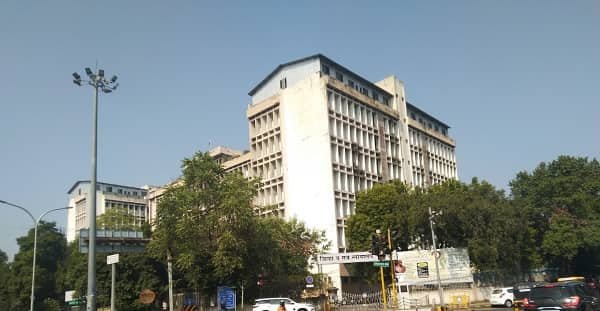
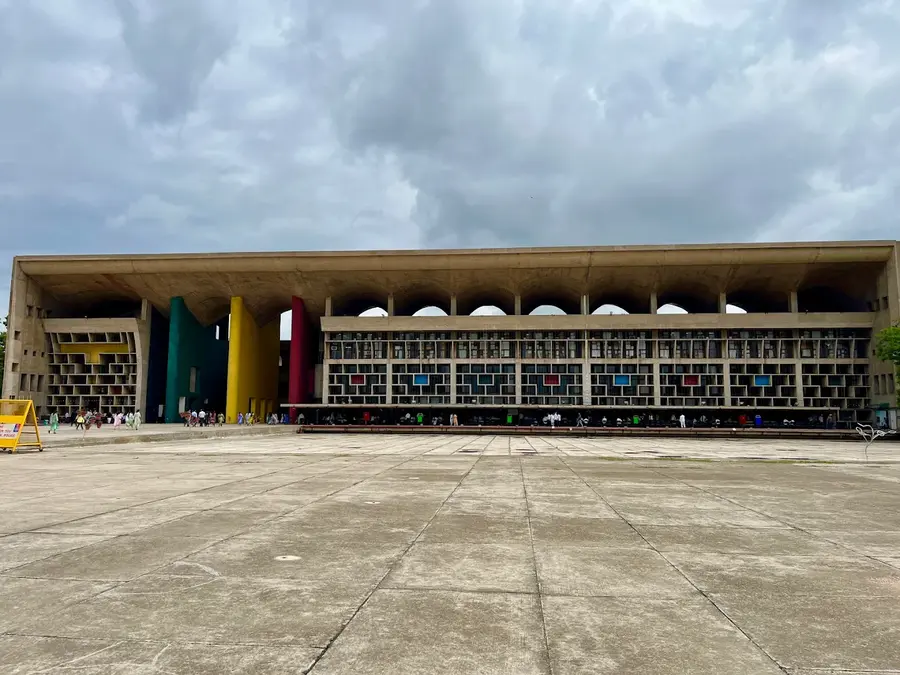
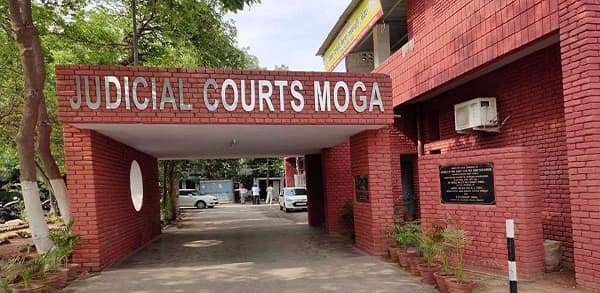
The District Court Ambala — the apex trial court for the Ambala Sessions Division in the state of Haryana — is one of India’s most historically layered district courts, serving a city whose strategic position as a military cantonment and a major railway junction gave it national significance across the colonial and post-independence eras. According to the Punjab Administration Report (1911-12), District Ambala was formed out of the lapsed and confiscated territories of the North-West Frontier in 1846 by the British representatives at Delhi — making it one of Haryana’s oldest formally constituted districts with a judicial history spanning nearly 180 years. The court operates under the supervision of the Punjab and Haryana High Court at Chandigarh and has undergone significant jurisdictional transformation through successive reorganisations — most recently with the separation of Panchkula as an independent Sessions Division in May 2005.
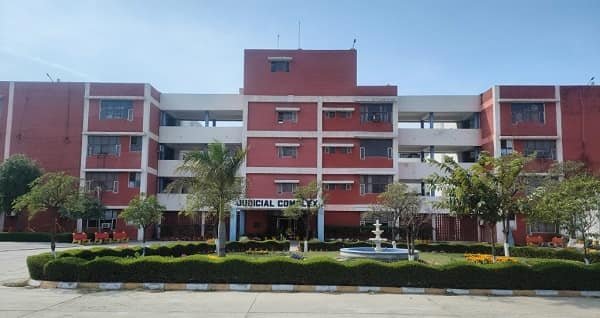
History
According to the Punjab Administration Report (1911-12), District Ambala was formed out of the lapsed and confiscated territories of the North-West Frontier in 1846 by the British representatives at Delhi. The district was placed in charge of a Deputy Commissioner with subordinate civil, criminal, and fiscal powers. The Commissioner was superintendent of revenue and police and exercised the civil appellate and the criminal original powers of a Sessions Judge. In 1853, the first Chief Commissioner was appointed as the head of the local executive administration, with a Judicial Commissioner and a Financial Commissioner appointed subordinate to him — the Judicial Commissioner also being head of the Police and superintendent of educational operations.
The judicial structure of early Ambala was extensive — one Sub-Judge was provided at each Tehsil headquarter of Jagadhri and Ropar, with a circuit court at Ambala Cantonment visited alternately by a Sub-Judge. Two Courts of Sub-Judges functioned at Chandigarh, and the District and Sessions Judge, Ambala held circuit courts at Chandigarh for disposal of judicial work relating to Ropar and Kharar tehsils. As a result of the Punjab Reorganisation Act, 1966, the map of Ambala District was considerably shrinked, and the Judicial structure of Ambala District was also affected.
The Court of Special Railway Magistrate came into existence in the year 1974. On the formation of Yamuna Nagar as a separate Sessions Division, Jagadhri was separated from Ambala on September 28, 2001, and on the creation of Panchkula as a Sessions Division, Panchkula was detached from Ambala Sessions Division on May 2, 2005. The separation of judiciary from executive in 1964 transformed the administrative structure — all magistrates who opted to work on the judicial side were designated as Judicial Magistrates and came under the direct administrative control of the High Court and the District and Sessions Judge, ending their subordination to the Deputy Commissioner.
Structure and Composition
| Dimension | Detail |
| District formed | 1846 — from lapsed and confiscated territories of North-West Frontier |
| First administrative head | Deputy Commissioner — 1846 |
| First Chief Commissioner | 1853 |
| Special Railway Magistrate Court | Established 1974 |
| Yamuna Nagar separated | September 28, 2001 |
| Panchkula separated | May 2, 2005 — as a separate Sessions Division |
| Location | Ambala, Haryana |
| High Court supervision | Punjab and Haryana High Court, Chandigarh |
| Judiciary-executive separation | October 2, 1964 |
| Court types | Civil, Criminal, Family Court, Special Courts, Railway Magistrate |
| Bar Association | District Bar Association, Ambala |
| Digital services | eCourts Mission Mode Project — video conferencing, e-filing, CIS, SMS alerts |
Architecture and Modern Infrastructure
The Ambala District Court complex has evolved progressively from the colonial-era judicial infrastructure established in 1846 into a contemporary multi-court campus serving one of Haryana’s most historically significant cities. Ambala’s dual identity as both a major military cantonment and a key railway junction connecting Delhi to Chandigarh and Amritsar gives the city a strategic character that shapes the type and volume of litigation handled by its district court — from cantonment property matters and railway-related cases handled by the Special Railway Magistrate Court to the commercial and civil disputes arising from a city that functions as a significant wholesale market for electronics, scientific instruments, and musical goods. Video conferencing infrastructure is installed in courts across the Ambala Sessions Division, enabling digital hearings that are particularly valuable for remand proceedings and for litigants from sub-divisional areas.
Frequently Asked Questions
Q: When was District Ambala formed?
A: 1846 — from lapsed and confiscated territories of the North-West Frontier by British representatives at Delhi.
Q: When was the Special Railway Magistrate Court established at Ambala?
A: 1974.
Q: When was Panchkula detached from Ambala Sessions Division?
A: May 2, 2005 — upon creation of Panchkula as a separate Sessions Division.
Q: Which High Court supervises the Ambala District Court?
A: The Punjab and Haryana High Court, Chandigarh.
Q: When was Jagadhri (Yamuna Nagar) separated from Ambala?
A: September 28, 2001 — upon formation of Yamuna Nagar as a separate Sessions Division.
Q: When was the judiciary separated from the executive in Ambala?
A: October 2, 1964.
Q: What digital services are available?
A: Video conferencing in all courts across the Sessions Division, e-filing, Case Information System, and SMS case alerts.