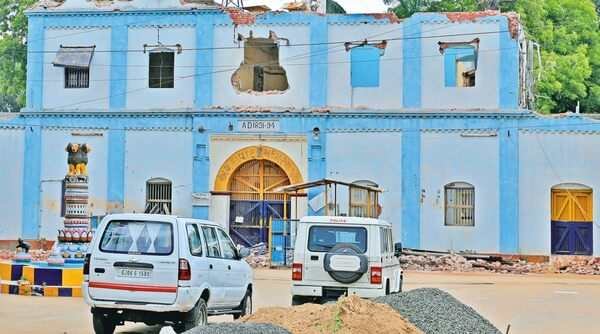
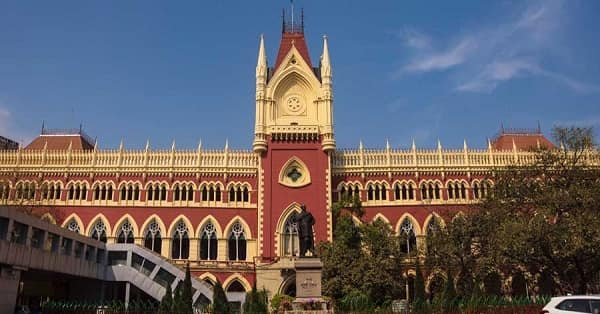
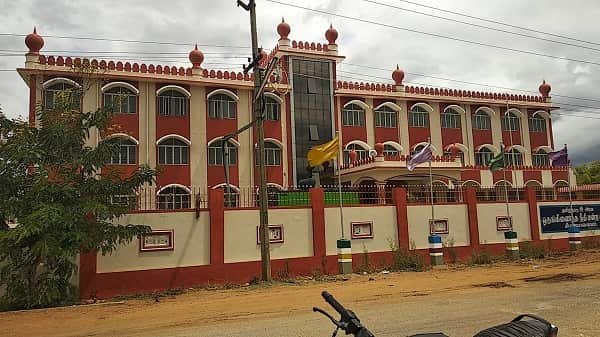
The District and Sessions Court Pune — located at its principal campus in Shivajinagar, Pune, Maharashtra — is one of India’s most historically storied district courts, serving the Oxford of the East and the cultural capital of Maharashtra, the city that witnessed the Peshwa empire, the birth of Indian nationalism, and some of the most consequential judicial proceedings in Maharashtra’s legal history. The court’s principal building at Shivajinagar was opened on November 5, 1928 by the Puisne Judge of the Bombay High Court — a colonial-era edifice constructed under the supervision of the Public Works Department at an estimated and sanctioned cost of Rs 20,00,000, with actual completion at Rs 19,50,000. Under the supervision of the Bombay High Court, the Pune District Court serves one of Maharashtra’s most populous, commercially dynamic, and academically celebrated districts.
History
Pune’s judicial history carries a depth that few district courts in India can match. The city witnessed, in the first landmark judgment against the royal family of the Peshwas, the great impartial judge Ramshastri Prabhune declaring the death penalty — an act of judicial independence that has been celebrated in Maharashtra’s historical memory for centuries as a symbol of the rule of law prevailing over royal power. The well-known 1879 case against Vasudeo Balwant Phadke and the 1902-03 case against Lokmanya Bal Gangadhar Tilak were fought in Pune’s courts — making the city’s judicial premises the site of some of colonial India’s most politically charged and nationally significant legal battles.
The present court building at Shivajinagar was constructed with work commencing on November 24, 1923, and completing on October 31, 1928. These judicial buildings were designed by the office of the Consulting Architect to the Government of Bombay — with S. Woods Hill, ARIBA and J. Mercer, LRIBE as the Consulting Architects — and constructed under the supervision of officers of the Headquarters Works Division of the Public Works Department. They were formally declared open by the Hon’ble Sir Charles Gordon Hill Fawcett, Kt, ICS, Puisne Judge of the High Court of Judicature Bombay, on Monday November 5, 1928. The estimate and sanction was Rs 20,00,000, and the actual cost Rs 19,50,000.
Structure and Composition
| Dimension | Detail |
| Building work commenced | November 24, 1923 |
| Building work completed | October 31, 1928 |
| Building opened | November 5, 1928 — by Puisne Judge Sir Charles Fawcett, Bombay HC |
| Designing architect | S. Woods Hill, ARIBA + J. Mercer, LRIBE — Consulting Architect to Govt of Bombay |
| Construction authority | Public Works Department — Headquarters Works Division |
| Sanctioned cost | Rs 20,00,000 |
| Actual cost | Rs 19,50,000 |
| Principal campus location | Shivajinagar, Pune, Maharashtra |
| Additional court locations | Pimpri, Akurdi, Pune Cantonment, Khadki Cantonment |
| High Court supervision | Bombay High Court |
| Courts at principal campus | Principal District Judge, 6 Additional District and Sessions Judges, 14 Ad-hoc ASJ, 15 Civil Judges Senior Division, 1 CJM, 1 ACJM, 8 Small Cause Courts, 21 Civil Judges (JD) and JMFC |
| Digital infrastructure | e-Filing, video conferencing, virtual hearings, eCourts portal |
| Legal aid | District Legal Services Authority, Pune |
| Bar Association | Pune Bar Association — with invaluable judicial development service |
Architecture — The 1928 Colonial Heritage Building
The Pune District Court building at Shivajinagar is a colonial-era institutional structure whose 1928 vintage gives it the specific architectural character of late British Indian civic building — a period when the Government of Bombay was investing in permanent, quality judicial infrastructure designed by qualified architects to serve as institutional landmarks appropriate to a city of Pune’s administrative and cultural significance.
The buildings were designed by the office of the Consulting Architect to the Government of Bombay — a formal government architectural establishment responsible for designing major civic and governmental structures across the Bombay Presidency. The involvement of S. Woods Hill, ARIBA and J. Mercer, LRIBE as the consulting architects signals the professional calibre brought to the commission — both fellows of professional architectural institutes whose design choices reflect the Indo-European civic institutional style prevalent in Bombay Presidency buildings of that era.
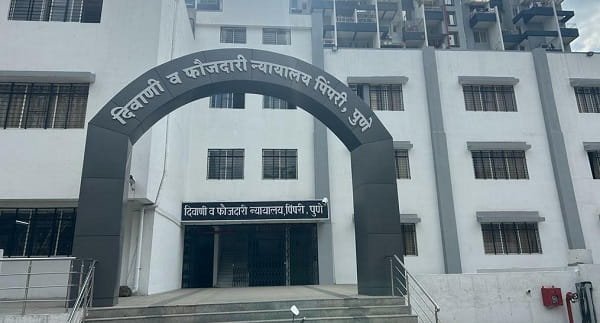
The Pune District Court complex at Shivajinagar functions as a spacious campus accommodating the full range of the principal court’s judicial functions — with the District and Sessions Court, Family Court, and numerous civil and criminal subordinate courts all situated within the principal campus area. Additional courts at Pimpri, Akurdi, and the cantonment areas of Pune and Khadki extend the district judiciary’s reach across Pune’s extensive and diverse geographic spread.
Frequently Asked Questions
Q: When was the Pune District Court building formally opened?
A: November 5, 1928 — declared open by Puisne Judge Sir Charles Fawcett of the Bombay High Court.
Q: When was construction of the building completed?
A: Work commenced November 24, 1923 and was completed October 31, 1928.
Q: Who designed the Pune District Court building?
A: S. Woods Hill, ARIBA and J. Mercer, LRIBE — Consulting Architects to the Government of Bombay — under the Public Works Department.
Q: What was the construction cost of the building?
A: Sanctioned at Rs 20,00,000 — actual cost Rs 19,50,000.
Q: Where is the principal court campus located?
A: Shivajinagar, Pune, Maharashtra. Additional courts function at Pimpri, Akurdi, Pune Cantonment, and Khadki.
Q: What historic legal proceedings took place in Pune’s courts?
A: The 1879 case against Vasudeo Balwant Phadke and the 1902-03 case against Lokmanya Bal Gangadhar Tilak — among colonial India’s most politically significant trials.
Q: Which High Court supervises the Pune District Court?
A: The Bombay High Court.
Q: What digital services are available?
A: e-Filing, video conferencing virtual hearings, static video conference links for all Pune district courts, and the eCourts Mission Mode Project portal for case management.