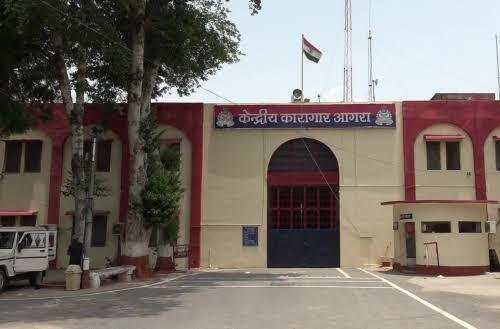
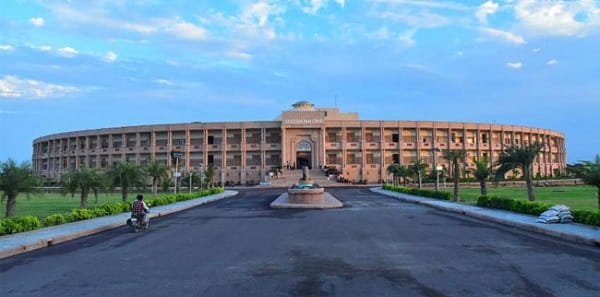
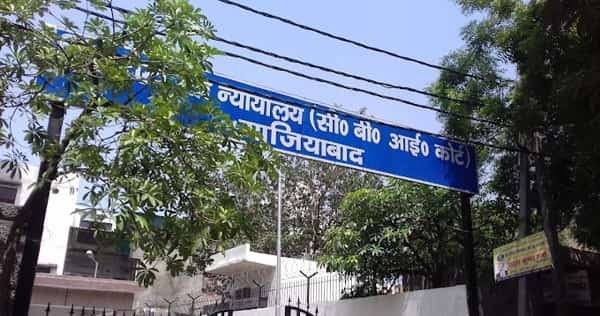
The District and Sessions Court of Ghaziabad — located adjacent to the Collectorate Campus at Rajnagar, Ghaziabad, in the state of Uttar Pradesh — is one of India’s most strategically placed district courts, serving a city that functions as the primary gateway from Delhi into Uttar Pradesh. Ghaziabad is also called the Gateway of U.P., as its boundary is adjacent to Delhi. Established as an independent judgeship on November 14, 1976, and operating under the administrative supervision of the Allahabad High Court at Prayagraj, the Ghaziabad District and Sessions Court serves a rapidly growing industrial and residential population generating one of the highest volumes of civil and criminal litigation among all Uttar Pradesh district courts.
History
The history of Ghaziabad as a city and as a judicial unit is rich and layered. The city of Ghaziabad was founded in AD 1740 by Wazir Ghazi-ud-din, who named it Ghaziuddinnagar after himself. During the Mughal period, Ghaziabad and especially the banks of the Hindon in Ghaziuddinnagar remained a picnic spot for the Mughal royal family. The name Ghaziuddinnagar was shortened to its present form Ghaziabad with the opening of the Railways in 1864.
Ghaziabad, along with Meerut and Bulandshahr, remained one of the three Munsifis of the District under the Meerut Civil Judgeship during most periods of the British Raj. The Ghaziabad Judgeship came into existence on November 14, 1976, under Notification No. 7022/VII-A.N.358/76 dated November 13, 1976. The district of Ghaziabad was also formed on the same day, and the Ghaziabad Judgeship was bifurcated from the Meerut Judgeship.
At Ghaziabad, the Court started functioning initially from the court campus at Model Town, Gandhinagar. Shri Inder Pal Singh had the honour of being the first District Judge of the Ghaziabad Judgeship. The court is now located adjacent to the Collectorate Campus at Rajnagar.
Structure and Composition
| Dimension | Detail |
| Judgeship established | November 14, 1976 — Notification No. 7022/VII-A.N.358/76 |
| First District Judge | Shri Inder Pal Singh |
| Original location | Model Town, Gandhinagar |
| Current location | Adjacent to Collectorate Campus, Rajnagar, Ghaziabad |
| Bifurcated from | Meerut Judgeship |
| High Court supervision | Allahabad High Court, Prayagraj |
| Historical description | Gateway of U.P. — adjacent to Delhi |
| City founded | AD 1740 — by Wazir Ghazi-ud-din |
| Digital infrastructure | e-Courts Mission Mode Project — SMS alerts, e-filing, case status |
| Family Courts | Family Courts operational within jurisdiction |
| Bar Association | Ghaziabad Bar Association |
| Sub-divisional courts | Courts at various sub-division levels within district |
Architecture and Digital Infrastructure
The Ghaziabad District Court complex at Rajnagar houses the full spectrum of district-level judicial functions — the Court of District and Sessions Judge as the highest criminal and highest civil court in the district, Additional District and Sessions Judges, Civil Judges, Judicial Magistrates, Family Courts, and Special Courts operating under various statutes. As Session Judge, the District and Sessions Judge heads the highest criminal court, while as District Judge, he heads the highest civil court. Appeals against decisions of the civil judge are heard by him, and those against his orders by the Allahabad High Court.
The court has implemented the eCourts Mission Mode Project — providing digital case management, SMS-based status alerts, automated generation of summons and notices through the Case Information System, and e-filing services. The Interoperable Criminal Justice System integration across Uttar Pradesh’s district courts connects Ghaziabad’s criminal courts digitally with the police, prison, and forensic systems — enabling seamless inter-agency coordination in criminal matters.
Frequently Asked Questions
Q: When was the Ghaziabad Judgeship established?
A: November 14, 1976, under Notification No. 7022/VII-A.N.358/76.
Q: Who was the first District Judge?
A: Shri Inder Pal Singh.
Q: From which judgeship was Ghaziabad bifurcated?
A: The Meerut Judgeship.
Q: Where is the court currently located?
A: Adjacent to the Collectorate Campus, Rajnagar, Ghaziabad.
Q: Which High Court supervises the Ghaziabad District Court?
A: The Allahabad High Court at Prayagraj.
Q: Why is Ghaziabad called the Gateway of U.P.?
A: Because its boundary is adjacent to Delhi, making it the primary entry point from the national capital into Uttar Pradesh.
Q: What digital services are available?
A: SMS case alerts, online cause lists, e-filing, case status checking via the eCourts portal, and automated summons generation through the Case Information System.