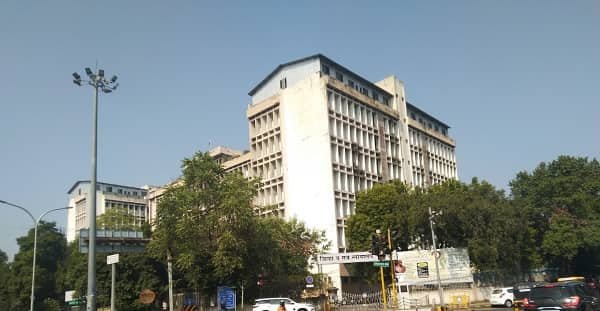
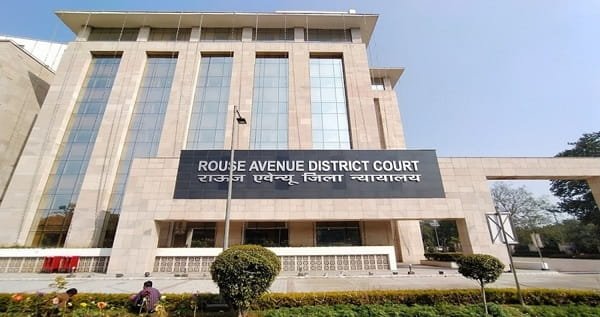
The Rouse Avenue Courts Complex — situated near ITO in the heart of Central Delhi, within walking distance of some of India’s most important governmental and journalistic institutions — is the newest, most technologically advanced, and most constitutionally specialised of all seven district court complexes operating under the Delhi High Court. Inaugurated on February 26, 2019, by then Chief Justice of India Justice Ranjan Gogoi alongside Justice Madan B. Lokur and Delhi High Court Chief Justice Rajendra Menon, the complex was purpose-designed and purpose-built to serve as the dedicated nerve centre for anti-corruption, economic offence, CBI, Enforcement Directorate, and MP/MLA criminal trial matters — creating a specialised judicial infrastructure for precisely the category of litigation that most powerfully tests India’s constitutional commitment to equality before the law and accountability of those who wield power.
History
The origins of the Rouse Avenue Courts Complex are rooted in a practical and constitutional problem that had grown steadily through the 2000s and 2010s — the designated CBI Courts, Prevention of Corruption Act courts, and PMLA special courts were scattered across the Tis Hazari and Karkardooma complexes, functioning without the focused infrastructure, dedicated security arrangements, and specialised judicial ecosystems that sensitive high-profile prosecutions of public officials and political figures required. The Delhi High Court’s vision was to centralise all such specialised courts in a single, purpose-built complex with the physical security, digital infrastructure, and judicial specialisation to handle India’s most nationally significant trials with the efficiency and security they demanded.
The foundation stone for the complex was laid years before inauguration — with the project conceived to bring CBI, ED, and MP/MLA courts under one roof. The formal inauguration on February 26, 2019, marked the practical realisation of this vision. Upon inauguration, the designated courts handling Prevention of Corruption Act cases investigated by the CBI, labour and industrial matters, and cases involving Members of Parliament and Legislative Assemblies were shifted to this complex. The Rouse Avenue Bar Association was formally constituted on March 24, 2025 — with its first Executive Committee elected in a historic ceremony — establishing the institutional bar infrastructure befitting a court complex of national significance.
Structure and Composition
| Dimension | Detail |
| Inaugurated | February 26, 2019 — by CJI Justice Ranjan Gogoi |
| Co-inaugurated by | Justice Madan B. Lokur + DHC CJ Rajendra Menon |
| Location | Rouse Avenue, near ITO, Central Delhi |
| Green building rating | 4-Star Green Building rated |
| LAN connectivity | 1 Gbps — among fastest in any Indian court complex |
| Solar energy | Boundary walls illuminated with solar-powered lamps |
| Water recycling | Recycled water used for air conditioning and plants |
| Primary jurisdiction | CBI cases, Prevention of Corruption Act, PMLA, ED cases |
| Special courts | MP/MLA criminal trial courts (Supreme Court directed) |
| Other courts | Labour Courts, Industrial Tribunals |
| Bar Association | Rouse Avenue Bar Association (RABA) — established March 2025 |
| Natural light | Architecture ensures every corner receives ample natural light |
| Waiting areas | Large and comfortable public waiting rooms by design |
| District served | Central Delhi (special courts jurisdiction) |
Architecture — India’s Greenest Court Complex
The Rouse Avenue Courts Complex holds a distinction that no other court complex in Delhi or India currently matches — it is a Four-Star Rated Green Building, making it the most environmentally sustainable district court complex in the national capital. This green building certification reflects an architectural and engineering philosophy that treats environmental sustainability not as an aesthetic add-on but as a structural commitment woven into every system of the building.
Recycled water powers the complex’s air conditioning system and irrigates its plants — eliminating the vast fresh water consumption that conventional air conditioning and horticulture in a large public building would require. Boundary walls are illuminated with lamps running on solar energy — demonstrating the integration of renewable energy into the building’s core infrastructure rather than as a showpiece installation. The building’s design ensures that every corner receives ample natural light through carefully designed apertures, reducing artificial lighting energy consumption throughout the court day.
The complex provides large and comfortable waiting rooms for the public — a design priority that reflects the particular consideration that cases here typically involve accused persons, witnesses, complainants, and advocates who may spend long hours on-premises during complex, multi-day hearings. The building boasts 1 Gbps LAN connectivity — the fastest internet infrastructure in any Delhi district court complex and one of the fastest in any Indian court — making it the physical infrastructure realization of the Digital Courts aspiration. Virtual hearings, electronic evidence presentation, digital charge sheet management, and online case filing are all supported by an infrastructure backbone designed for digital-first judicial operations from the very foundation.
Frequently Asked Questions
Q: When was the Rouse Avenue Courts Complex inaugurated?
A: February 26, 2019 — by Chief Justice of India Justice Ranjan Gogoi.
Q: Where is it located?
A: Rouse Avenue, near ITO, Central Delhi.
Q: What type of cases are primarily heard at Rouse Avenue Court?
A: CBI-investigated cases, Prevention of Corruption Act matters, PMLA and ED economic offence trials, and MP/MLA criminal trial courts as directed by the Supreme Court.
Q: What is its green building rating?
A: Four-Star Rated Green Building — the most environmentally sustainable district court complex in Delhi.
Q: What makes the building’s technology infrastructure exceptional?
A: 1 Gbps LAN connectivity — the fastest internet infrastructure of any Delhi district court complex, supporting digital court operations.
Q: What sustainability features does the building have?
A: Recycled water for air conditioning and plants, solar-powered boundary wall illumination, and natural light architecture throughout the complex.
Q: When was the Rouse Avenue Bar Association formally constituted?
A: March 24, 2025 — when its first-ever founding Executive Committee was elected.
Q: Why was Rouse Avenue Courts created separately?
A: To centralise all CBI, ED, Prevention of Corruption, and MP/MLA courts in one dedicated, specialised, and secure complex — away from the general district court complexes where such sensitive national security and anti-corruption matters had previously been scattered.