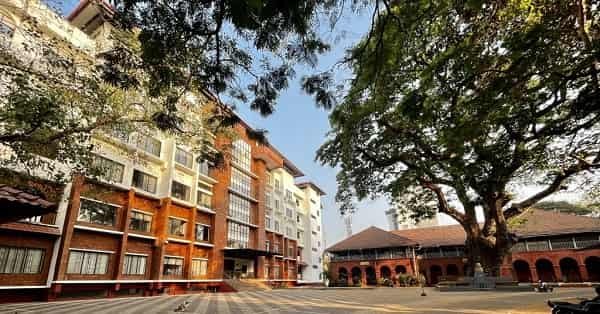
Bangalore Central Prison, officially known as Parappana Agrahara Central Prison, is Karnataka’s largest correctional facility and one of the most talked-about jails in South India. Located in Bengaluru’s Electronic City area, this maximum-security prison became famous nationally when Tamil Nadu’s former Chief Minister J. Jayalalithaa and her aide V.K. Sasikala were lodged here in a disproportionate assets case. Spread across 40 acres, the prison now holds more than double its rated capacity, making overcrowding one of its most persistent challenges.
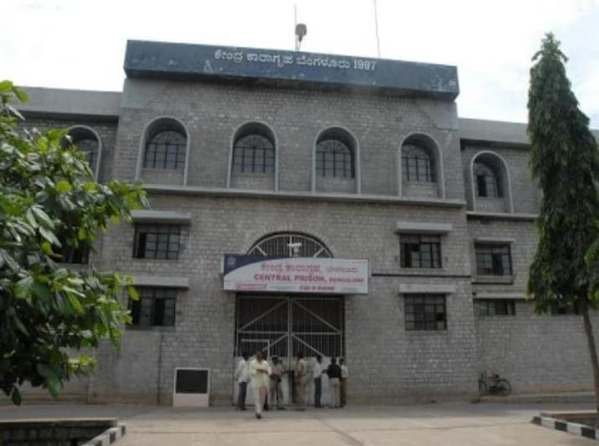
| Quick Facts | Details |
|---|---|
| Full name | Central Prison, Bengaluru (Parappana Agrahara Central Prison) |
| Location | Parappana Agrahara, Electronic City, Bengaluru, Karnataka |
| Established | 1997; became central prison in 2000 |
| Area | Around 40 acres |
| Rated capacity | 2,200 inmates |
| Actual population | Often exceeds 4,500–5,000 inmates |
| Security class | Central Prison |
| Status | Operational |
| Managed by | Karnataka Prisons and Correctional Services |
Where Exactly Is It Located
Bangalore Central Prison sits in Parappana Agrahara, near Electronic City on the southern edge of Bengaluru — a stretch better known today for IT parks and tech campuses than for a maximum-security jail sitting quietly in the middle of it.
- Address: Central Prison and Correctional Services, Parappana Agrahara, Electronic City Post, Bengaluru – 560100, Karnataka
- Nearby landmark: Close to Electronic City, one of Bengaluru’s major IT hubs
- Access: Well connected via Hosur Road and Electronic City Metro; easily reachable by bus, auto, or cab from most parts of south Bengaluru
The contrast is hard to miss — a high-security prison complex bordered by some of the city’s busiest tech corridors, where traffic jams of software professionals pass within sight of its walls every day.
How the Prison Came to Be
Bangalore’s original city jail sat in the heart of the city and had served the city for decades. As Bengaluru grew, that old facility became increasingly unsuitable for a modern prison system, both in terms of space and infrastructure.
- The new prison at Parappana Agrahara was established in 1997.
- It officially took over as Bengaluru’s central prison in 2000, once the old city jail shut down for renovation.
- The old jail site was later redeveloped into Freedom Park, now a public space used for gatherings, protests, and civic events.
This shift from an inner-city jail to a purpose-built facility on the outskirts mirrors what several other Indian cities did around the same period, moving prisons away from congested urban cores.
Growth, Overcrowding, and Scale
Bangalore Central Prison was originally designed to hold about 2,200 inmates. That number has been consistently and significantly exceeded for years.
- By 2016, the prison held more than 4,400 inmates against its 2,200 capacity.
- More recent counts have placed the population above 5,000 at times, making it one of the most overcrowded jails in the state.
- The facility houses undertrials and convicts together in several barracks, spanning cases from petty offences to death-row sentences.
Overcrowding has repeatedly surfaced as a concern in oversight visits and reports, alongside gaps in mental health support — a 2011 study by NIMHANS had recommended dedicated psychiatric staffing for the prison, a post that has gone unfilled for extended stretches since.
Notable Inmates Over the Years
Few Indian prisons have held as high-profile a mix of political and criminal figures as Parappana Agrahara.
- J. Jayalalithaa – the former Tamil Nadu Chief Minister was lodged here following her conviction in the disproportionate assets case
- V.K. Sasikala – Jayalalithaa’s close aide and co-accused in the same case served her sentence at this facility
- Abdul Karim Telgi – the convicted mastermind behind India’s massive stamp paper counterfeiting scam was held here until his death in 2017
These cases brought national media attention to the prison in a way few other Indian jails have experienced, particularly during Jayalalithaa’s incarceration, when the facility saw unprecedented security and public scrutiny.
Facilities and Recognition
Despite chronic overcrowding, the prison has picked up some notable recognitions in recent years for hygiene and administration.
- Rated the best prison at the 6th All India Prison Duty Meet’s Prison Hygiene Competition in 2022
- Awarded a four-star FSSAI rating in 2021 for food hygiene and premises upkeep
- Runs a prison hospital, vocational training programs, and educational initiatives for inmates
- Regularly hosts legal-aid and educational visits from law colleges and universities in Bengaluru
At the same time, the jail has repeatedly made headlines for security lapses.
- Large seizures of smuggled mobile phones, SIM cards, and contraband have been reported in recent search operations.
- Inter-gang clashes among inmates have occasionally required jail staff to intervene using force.
Can You Visit Bangalore Central Prison
Bangalore Central Prison is not open to the general public, since it operates as an active, high-security correctional facility. Visits are restricted to authorised family members, legal counsel, and approved educational or institutional groups, all subject to prior permission from prison authorities.
FAQs
Q1: Why is Bangalore Central Prison also called Parappana Agrahara Jail?
A. It’s named after Parappana Agrahara, the locality in Electronic City where the prison is located, and both names are used interchangeably in official and media references.
Q2: Was Jayalalithaa really imprisoned here?
A. Yes, the former Tamil Nadu Chief Minister served time at this prison following her conviction in the disproportionate assets case, along with her aide V.K. Sasikala.
Q3: How overcrowded is Bangalore Central Prison?
A. It was built for around 2,200 inmates but has repeatedly held over 4,000 to 5,000, making it one of the most overcrowded central prisons in Karnataka.
Q4: What happened to Bengaluru’s old city jail?
A: The original city jail closed down in 2000 when this new facility took over central prison duties, and its old site was later converted into Freedom Park.