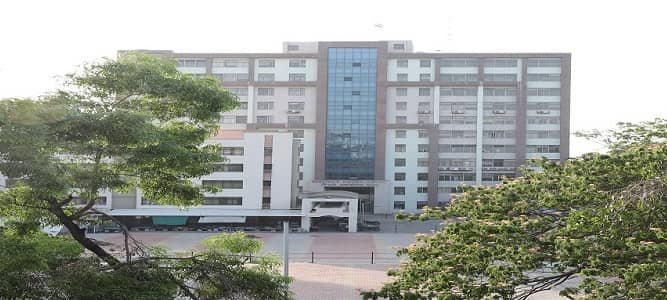
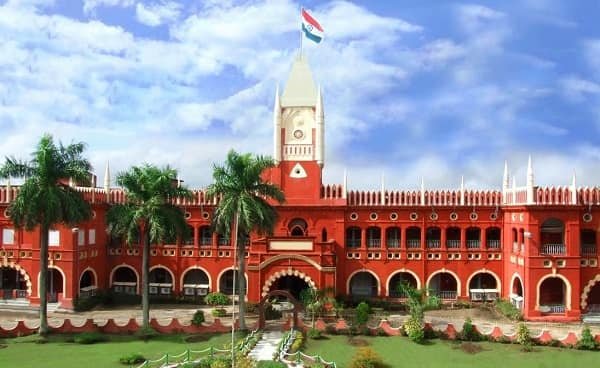
The High Court of Orissa at Cuttack — the apex judicial institution for the state of Odisha, the Land of Temples and Tribal Heritage — is one of India’s most historically significant and institutionally respected superior courts, serving a state that spans 155,707 square kilometres and a population exceeding 46 million. Established on July 26, 1948, the Orissa High Court represents the culmination of more than three decades of sustained advocacy by Odisha’s legal community — beginning with the first circuit bench of the Patna High Court at Cuttack in 1916, through the adoption of a formal resolution by the High Court Bar Association in 1938 demanding a separate court, through years of committee deliberations, to the final constitutional establishment of an independent High Court for the newly separate province of Orissa. The court’s 75th anniversary in 2023 was celebrated as a milestone of institutional longevity and judicial contribution to India’s constitutional fabric. The Orissa High Court also holds the extraordinary distinction of establishing India’s first Museum of Justice at the historic Barabati Fort in Cuttack — making it one of very few superior courts in the world to create a dedicated museum celebrating the history of justice within its jurisdiction.
History
The story of the Orissa High Court begins with Odisha’s own political evolution. Odisha was originally part of the Bengal Presidency, which included present-day Assam, Bihar, Jharkhand, Odisha, and West Bengal. On March 22, 1912, the new province of Bihar and Orissa was formed but remained under the Calcutta High Court’s jurisdiction. On February 9, 1916, Letters Patent constituting the High Court of Patna were issued, and Odisha was placed under the Patna High Court’s jurisdiction. From May 18, 1916, judges of the Patna High Court began sitting in circuit at Cuttack — the foundation on which the Orissa High Court’s history was built.
Madhusudan Das — Utkala Gourav — was the President of the Cuttack Bar Association when he welcomed the Circuit Court at its first sitting, expressing the prescient hope that a permanent bench would soon be established at Cuttack. This aspiration became institutional advocacy when on July 26, 1938, the High Court Bar Association at Cuttack formally adopted a Resolution demanding a separate High Court for Orissa. When Orissa became a separate province on April 1, 1936, it had still not received its own High Court — a gap that continued to generate advocacy over the following decade.
A committee formed in 1942 under Shri Bira Kishore Ray published its report on December 31, 1943, concluding that the creation of a separate High Court would round off the organisation of the Province and lead to more speedy and convenient administration of justice. On April 30, 1948, the Governor-General of India issued the Orissa High Court Order, 1948, providing for the constitution of the High Court for the Province of Orissa from July 5, 1948. By the Orissa High Court (Amendment) Order 1948, the date was changed to July 26, 1948 — a date that has been celebrated annually as the court’s establishment anniversary.
Structure and Composition
| Dimension | Detail |
| Circuit bench established at Cuttack | May 18, 1916 — Patna High Court |
| Orissa made separate province | April 1, 1936 |
| Bar Association resolution for HC | July 26, 1938 |
| HC Order issued | April 30, 1948 |
| Established | July 26, 1948 |
| Location | Chandini Chowk, Cuttack, Odisha |
| Sanctioned judge strength | 33 judges |
| Jurisdiction | Entire state of Odisha — 30 district courts |
| Subordinate judiciary | 181 district judges, 191 senior civil judges, 308 civil judges |
| Museum of Justice | Established — Barabati Fort, Cuttack |
| 75th anniversary | Celebrated 2023 |
| Live streaming rules | High Court of Orissa Live Streaming of Court Proceedings Rules, 2021 |
Architecture and Distinctive Initiatives
The Orissa High Court at Chandini Chowk, Cuttack occupies a premises that has evolved across more than seven decades from the original building that housed the court at its founding in 1948 to a complex of heritage building, extension blocks, and administrative facilities accommodating the court’s full complement of judges. The city of Cuttack — established in 989 AD on the delta of the Mahanadi and Kathajodi rivers and the ancient capital of Odisha for centuries — provides the High Court with a historic urban setting that few superior courts in India can match for antiquity and cultural resonance.
The Orissa High Court’s most remarkable institutional innovation is the Museum of Justice — established at the historic Barabati Fort complex in Cuttack, a monument with its own extraordinary medieval history as a Ganga dynasty and Gajapati period fortification. This museum celebrates the history of the judicial system in Orissa and India, preserving artifacts, documents, and historical records that communicate the evolution of justice administration from ancient times through the colonial period to the present constitutional era. The museum represents the Orissa High Court’s distinctive commitment to making legal history accessible to citizens — turning a medieval fort into a living education centre about justice.
Frequently Asked Questions
Q: When was the Orissa High Court established?
A: July 26, 1948 — under the Orissa High Court Order, 1948 issued by the Governor-General of India.
Q: Where is the court located?
A: Chandini Chowk, Cuttack, Odisha.
Q: What is the sanctioned judge strength?
A: 33 judges, overseeing 30 district courts with 181 district judges, 191 senior civil judges, and 308 civil judges.
Q: When did the circuit bench at Cuttack first sit?
A: May 18, 1916 — when Patna High Court judges first sat in circuit at Cuttack.
Q: When did the Bar Association demand a separate High Court?
A: July 26, 1938 — the High Court Bar Association at Cuttack passed a formal resolution demanding a separate High Court.
Q: What is the Museum of Justice?
A: A unique museum established by the Orissa High Court at the historic Barabati Fort, Cuttack, celebrating the history of justice administration in Orissa and India.
Q: What live streaming initiatives has the court adopted?
A: The High Court of Orissa Live Streaming of Court Proceedings Rules, 2021, govern live streaming of judicial proceedings — one of India’s progressive judicial transparency measures.
Q: What is the 75th anniversary significance?
A: The court celebrated 75 years of independent judicial service in 2023 — from its July 26, 1948 establishment to a milestone of constitutional contribution and institutional legacy.