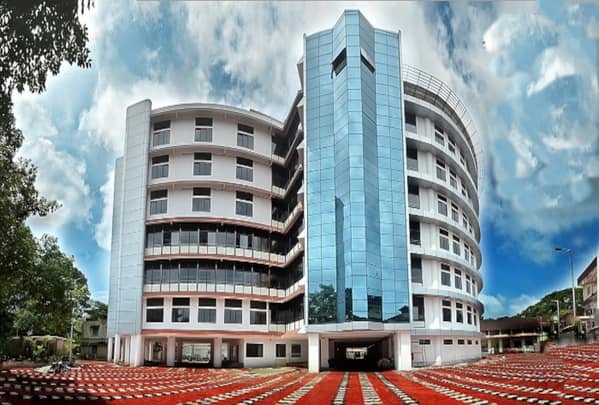
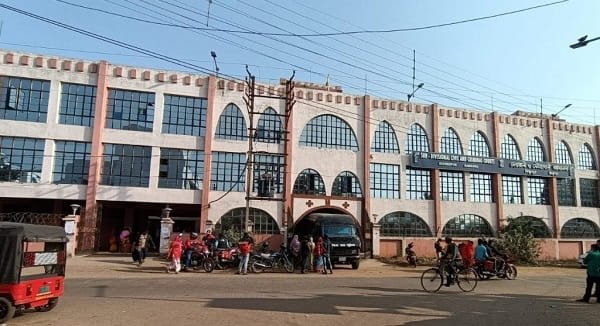
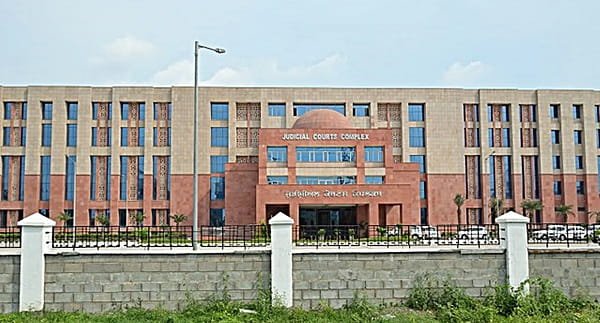
The District Court Ludhiana — the apex trial court for the Ludhiana Sessions Division in the state of Punjab — is one of India’s most commercially significant and historically rich district courts, serving Punjab’s most populated city and its largest industrial centre. Known as the Manchester of India for its hosiery, textile, and bicycle manufacturing industries, Ludhiana is a city whose foundational history stretches to the Lodhi dynasty era of the 15th century, and whose district court has served successive generations of commercial and civil disputes arising from one of North India’s most productive and densely populated industrial hubs. Under the supervision of the Punjab and Haryana High Court at Chandigarh, the Ludhiana District Court is one of Punjab’s busiest and most institutionally significant trial courts, carrying a judicial tradition that long predates its current administrative structure.
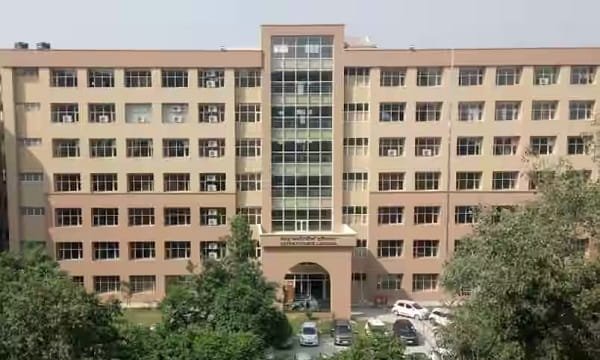
History
The city of Ludhiana was founded during the time of the Lodhi dynasty, which ruled in Delhi from 1451 to 1526 AD. According to historical records, two Lodhi chiefs — Yusaf Khan and Nihand Khan — were deputed by Sikandar Lodhi (1489-1517 AD) to restore order in the region. They camped at the site of what was then a village called Mir Hota. Yusaf Khan crossed the river Sutlej into the Jalandhar Doab to deal with the Khokhars who were plundering the area, while Nihand Khan stayed back and founded the present city at the site of village Mir Hota. The new town was originally known as Lodhiana — meaning the town of the Lodis — and the name later evolved to the present form, Ludhiana.
Ludhiana’s judicial history runs parallel to the broader evolution of Punjab’s court system after the British annexation of 1849. The systematic establishment of civil and criminal courts across Punjab’s major districts brought formal judicial infrastructure to Ludhiana, with the city’s commercial importance ensuring that district-level court functions were prioritised and well-resourced from an early stage. The separation of the executive from the judiciary across Punjab on October 2, 1964 — which formalised in all Punjab districts the exclusive concentration of judicial authority in District and Sessions Judges — gave Ludhiana its present administrative judicial structure.
Structure and Composition
| Dimension | Detail |
| City founded | During Lodhi dynasty — 1451–1526 AD — by Nihand Khan |
| Original city name | Lodhiana — meaning town of the Lodis |
| Location | Ludhiana, Punjab |
| High Court supervision | Punjab and Haryana High Court, Chandigarh |
| Judiciary-executive separation | October 2, 1964 |
| District identity | Punjab’s largest city — industrial hub |
| Court types | Civil, Criminal, Family Court, Mediation and Conciliation Centre |
| Sub-divisional courts | Sub-divisional courts at Jagraon and other sub-divisions |
| Bar Association | District Bar Association, Ludhiana |
| Digital services | eCourts Mission Mode Project — e-filing, CIS, SMS alerts, video conferencing |
| Legal Aid | District Legal Services Authority, Ludhiana |
| Mediation | Mediation and Conciliation Centre — mediators appointed within complex |
Architecture and District Identity
The District Court Ludhiana complex serves one of Punjab’s most commercially vibrant and densely populated urban jurisdictions — a city that contributes significantly to Punjab’s manufacturing output through its globally renowned bicycle and hosiery industries, and whose commercial character generates a high volume of civil, commercial, property, and family court litigation that demands well-resourced and efficiently managed judicial infrastructure.
The complex at Ludhiana houses courts across multiple judicial levels — the District and Sessions Judge presiding over the most senior civil and criminal matters, Additional District and Sessions Judges, Civil Judges, Chief Judicial Magistrates, and the Mediation and Conciliation Centre that provides parties an alternative route to dispute resolution. The Ludhiana District Bar Association — one of Punjab’s most active and well-organised bar associations — functions within the complex, providing legal community governance, professional resources, and institutional memory.
The court has implemented the eCourts Mission Mode Project comprehensively — with Case Information System data uploaded daily to the National Judicial Data Grid, SMS alerts to parties and witnesses, automated generation of summons and notices, e-filing, and video conferencing for remand and other proceedings. Sub-divisional courts at Jagraon and other areas extend the Ludhiana Sessions Division’s reach across the district’s extensive geographic territory.
Frequently Asked Questions
Q: What is the historical origin of Ludhiana city?
A: Founded during the Lodhi dynasty (1451–1526 AD) by Lodhi chief Nihand Khan at the site of a village called Mir Hota.
Q: What did the name Lodhiana mean?
A: Town of the Lodis — named after the founding Lodhi dynasty, later evolved to Ludhiana.
Q: Which High Court supervises the Ludhiana District Court?
A: The Punjab and Haryana High Court, Chandigarh.
Q: When was the judiciary separated from the executive in Punjab?
A: October 2, 1964.
Q: What is Ludhiana known as commercially?
A: The Manchester of India — for its globally recognised hosiery, textile, and bicycle manufacturing industries.
Q: What digital services are available at the court?
A: e-Filing, SMS case alerts, CIS data on National Judicial Data Grid, automated summons generation, and video conferencing.
Q: What mediation facilities exist?
A: A Mediation and Conciliation Centre functions within the court complex with appointed mediators for civil and family disputes.