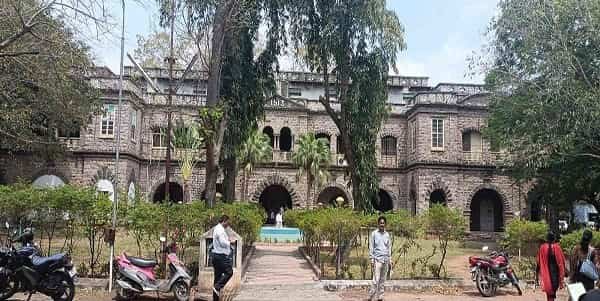
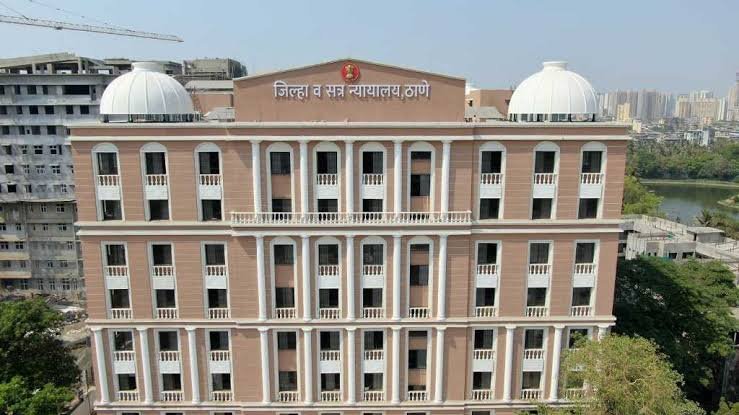
The Patiala House Courts Complex — located near India Gate in the heart of Lutyens’ Delhi, one of India’s most iconic and architecturally celebrated civic zones — is one of Delhi’s seven district court complexes and occupies a uniquely distinguished position among them for its royal heritage, colonial architectural grandeur, and the high-profile nature of the litigation it regularly handles. Housed in a building originally constructed as the residence of the Maharaja of Patiala and designed by the legendary British architect Sir Edwin Lutyens, the complex currently exercises district court jurisdiction over the New Delhi District and handles some of the most sensitive, high-profile, and nationally watched cases in the Indian judicial system — from Central Bureau of Investigation matters and National Investigation Agency trials to cases involving foreign nationals, embassy-related disputes, and matters of national security significance.
History
The origins of Patiala House Courts Complex are as distinguished as any judicial complex in India. The building was originally conceived and constructed as the Delhi residence — a palatial city mansion — of the Maharaja of Patiala, designed by Sir Edwin Lutyens, the same British architect responsible for the planning and design of the entire Lutyens’ Delhi zone, including Rashtrapati Bhavan, the Parliament House approach, and the formal ceremonial axis of New Delhi. The building was completed by Yadavindra Singh, the last Maharaja of Patiala. When Prime Minister Indira Gandhi abolished the privy purses of former royal families in the 1970s, the former royal family sold the structure to the Government of India.
The Delhi High Court was run from Patiala House for a period before the dedicated High Court building on Sher Shah Road became its permanent home. The complex subsequently became a district court facility. In March 1977, criminal courts that had been functioning at Parliament Street were shifted to Patiala House — formally transforming it into a district court complex. This shift expanded the complex’s judicial role and began the process of building the comprehensive court infrastructure that exists today.
By 1997, Patiala House was formally recognised as one of three district court complexes in Delhi — alongside Tis Hazari and Karkardooma. In 2001, 54 judges were stationed here, with jurisdiction over New Delhi, South Delhi, and South-West Delhi districts. Over time, jurisdiction was rationalised — South Delhi and South-West Delhi cases were shifted to the new Saket Courts Complex when it became functional on August 28, 2010, leaving Patiala House as the dedicated court for the New Delhi District.
Structure and Composition
| Dimension | Detail |
| Building origin | Maharaja of Patiala’s Delhi residence — designed by Sir Edwin Lutyens |
| Architect | Sir Edwin Lutyens — designer of Lutyens’ Delhi |
| Architectural style | Butterfly plan with central dome — neoclassical colonial |
| Building sold to Government | When privy purses abolished in 1970s |
| Criminal courts shifted here | March 1977 — from Parliament Street |
| Location | Tilak Lane, near India Gate, New Delhi — 110002 |
| Total area | 31,872 square metres |
| Complex divisions | 5 parts — Main Building, Publication Building, Annexe Building, Lock-up Building, MEA Building |
| Current courts | 45 courts + 2 Family Courts + Delhi Legal Services Authority Office |
| Jurisdiction | New Delhi District |
| Special courts | CBI Courts, NIA designated courts, NDPS Courts |
| Library | Judges’ Library at ground floor — Publication Building |
| NIA files (as of July 2022) | 44 pending NIA files in designated courts |
Architecture — The Edwin Lutyens Masterpiece
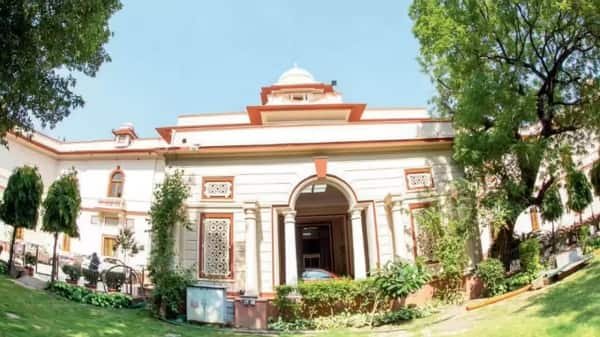
The Patiala House building is one of Sir Edwin Lutyens’ finest residential designs in Delhi — exhibiting the distinctive butterfly plan layout with a central dome that Lutyens employed for his most important commissions in the Lutyens’ Delhi zone. The butterfly plan creates two wings radiating from a central rotunda, allowing the building to open gracefully to surrounding gardens and courtyards while maintaining formal axial symmetry from the main entrance. The central dome provides visual prominence that makes the building recognisable from surrounding roads and establishes the architectural authority appropriate for what was intended as a maharaja’s city palace.
The building features grand porticoes, ornate columns, large arched windows, and sweeping hallways characteristic of Lutyens’ neoclassical colonial style — blending European classical elements with practical adaptations for the Delhi climate. The colonial grandeur of the original Lutyens design has been retained despite successive functional modifications — making Patiala House one of the most architecturally distinctive and historically significant court buildings in India’s capital.
The complex encompasses five distinct structures — the Main Building housing the principal courts, the Publication Building where the Judges’ Library is located, the Annexe Building for additional courts, the Lock-up Building for security requirements, and the MEA Building. Its strategic location near India Gate and the diplomatic enclave areas contributes to its jurisdiction handling matters involving foreign nationals and embassy-related cases that no other Delhi district court manages with equivalent regularity.
Frequently Asked Questions
Q: Who designed the Patiala House building?
A: Sir Edwin Lutyens — the British architect who designed the entire Lutyens’ Delhi zone.
Q: What was Patiala House originally?
A: The Delhi residence of the Maharaja of Patiala, built during the British colonial era.
Q: When did it become a district court?
A: Criminal courts were shifted from Parliament Street to Patiala House in March 1977.
Q: What is the total area of the complex?
A: 31,872 square metres — divided into five parts: Main Building, Publication Building, Annexe Building, Lock-up Building, and MEA Building.
Q: How many courts function here?
A: 45 courts and 2 Family Courts, plus the Delhi Legal Services Authority Office.
Q: Which district does Patiala House currently serve?
A: The New Delhi District — the most diplomatically and politically significant district in India.
Q: What special courts function at Patiala House?
A: CBI Courts, NIA designated courts, and NDPS Courts — handling some of India’s most sensitive national security and drug-related trials.
Q: What is the architectural style of the building?
A: Butterfly plan with central dome — neoclassical colonial style with grand porticoes, ornate columns, and arched windows.