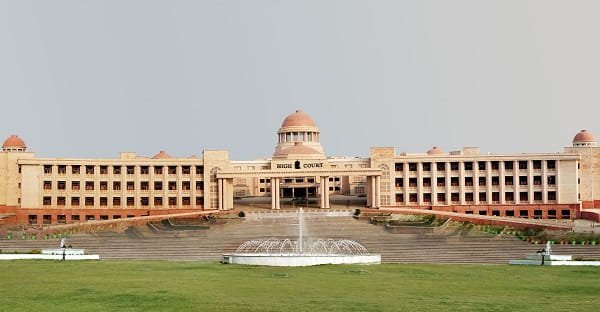
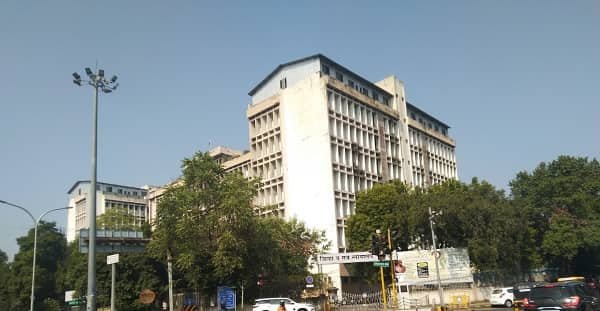
The Rohini District Courts Complex — located in Sector 14, Rohini, in the north-western part of the National Capital Territory of Delhi — is the most modern principal district court building in Delhi and one of the fastest-growing judicial complexes in the country by caseload. Completed in 2005 and operational as part of Delhi’s strategic judicial decentralisation initiative, Rohini Courts serves the North-West District and Outer District of Delhi — two of Delhi’s most rapidly urbanising and densely populated districts, comprising localities including Rohini, Pitampura, Shalimar Bagh, Rani Bagh, Bawana, Narela, and Alipur. With over 100 courtrooms, a modern infrastructure campus equipped with state-of-the-art digital systems, and the Rohini Court Bar Association representing hundreds of advocates, the Rohini Courts Complex has established itself as the legal powerhouse of north-western Delhi within two decades of its establishment.
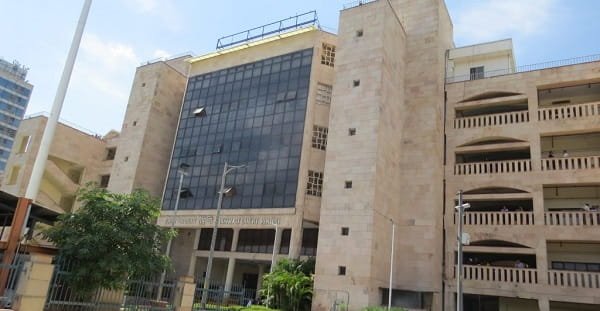
History
The origins of the Rohini Courts Complex lie in Delhi’s extraordinary population growth in the 1980s and 1990s — a period during which the development of large-scale residential colonies in Rohini, Pitampura, and the surrounding areas created a massive new population centre in north-western Delhi that had no proximate district court infrastructure of its own. Litigants from this entire region were required to travel to Tis Hazari Courts in Central Delhi — a journey that imposed significant time and financial burdens on working families, witnesses, and advocates with matters in this jurisdiction.
The Delhi High Court and Government of NCT of Delhi recognised the need for a dedicated court complex serving North-West Delhi as part of a broader strategy to decentralise Delhi’s judicial infrastructure — following the model of the Karkardooma Courts Complex established in 1993 for East Delhi. Rohini was identified as the strategic location given its position as one of Delhi’s largest planned residential sectors and its connectivity to the extensive North-West Delhi catchment area.
The building of Rohini Courts Complex was completed in 2005 — making it the newest principal district court building in Delhi at the time of its establishment and widely described as the most modern operational district courts building in the capital. Cases pertaining to the North-West District that had previously been handled at Tis Hazari Courts were transferred to Rohini upon the complex becoming functional, significantly reducing the burden on Tis Hazari and bringing justice closer to the population it serves.
Structure and Composition
| Dimension | Detail |
| Building completed | 2005 |
| Location | Block D, Sector 14, Rohini, Delhi — 110085 |
| Jurisdiction | North-West District + Outer District of Delhi |
| Total courtrooms | Over 100 courtrooms |
| Court types | Sessions Courts, Magisterial Courts, Civil Courts, Family Courts, Special Courts |
| Special courts | POCSO Courts, SC/ST Atrocities Act Courts |
| Bar Association | Rohini Court Bar Association (RCBA) |
| Character | Most modern district court building in Delhi |
| Digital infrastructure | e-Filing, virtual hearings, CCTV surveillance, metal detectors |
| Previous burden shared | Cases from Tis Hazari — North-West jurisdiction transferred |
| Related complex | Outer District courts also housed here |
| Connectivity | Well-connected to entire North-West Delhi catchment |
Architecture and Modern Infrastructure
The Rohini Courts Complex stands apart from Delhi’s older court buildings — Tis Hazari, Patiala House, and Karkardooma — in being purpose-designed and purpose-built from the outset as a modern district court facility, rather than adapted from a colonial-era structure or retrofitted over successive decades. This purpose-built origin gives it significant functional advantages — courtyards and circulation spaces designed from the beginning for high-volume litigant and advocate flow, security checkpoints integrated architecturally rather than bolted on as afterthoughts, and electrical and digital infrastructure embedded from construction rather than layered onto an older building’s framework.
The complex houses a comprehensive range of court types — Sessions Courts for serious criminal cases including murder, dacoity, rape, and kidnapping; Magistrate Courts for bail, remand, and summary trials; Civil Courts for property, succession, and recovery disputes; Family Courts for divorce, custody, and maintenance matters; and specialised POCSO Courts for crimes against children and SC/ST Atrocities Act Courts. CCTV surveillance covers the entire premises and entry points are secured with metal detectors — making Rohini one of Delhi’s more secure court complexes.
The complex’s digital infrastructure reflects the eCourts Mission Mode Project implementation — with e-filing services, online case status tracking through the eCourts portal, virtual court hearing capabilities, and SMS alert systems for case listings all operational. The Rohini Court Bar Association maintains an active institutional presence within the complex, representing the hundreds of advocates who practice there daily and advocating for the infrastructure improvements that a rapidly growing court complex requires.
Frequently Asked Questions
Q: When was the Rohini Courts Complex established?
A: The building was completed in 2005 — making it the most modern principal district court building in Delhi at establishment.
Q: Where is the Rohini Courts Complex located?
A: Block D, Sector 14, Rohini, Delhi — 110085.
Q: Which districts does it serve?
A: The North-West District and Outer District of Delhi.
Q: How many courtrooms does it have?
A: Over 100 courtrooms accommodating the full range of civil, criminal, family, and special courts.
Q: What makes Rohini Courts different from older Delhi court complexes?
A: It is purpose-designed as a modern court building from inception — unlike Tis Hazari or Patiala House which were adapted from older structures.
Q: What special courts function at Rohini?
A: POCSO Courts for crimes against children and SC/ST Atrocities Act Courts, alongside regular sessions, magistrate, civil, and family courts.
Q: What digital facilities are available?
A: e-Filing, online case status on the eCourts portal, virtual hearings, SMS alerts, and CCTV security infrastructure throughout the campus.
Q: What bar association is associated with Rohini Courts?
A: The Rohini Court Bar Association (RCBA) — representing hundreds of advocates practising in the complex.