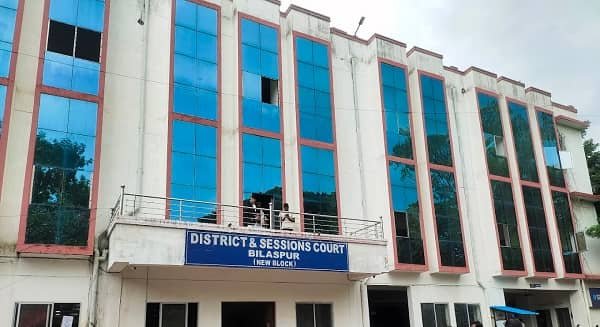
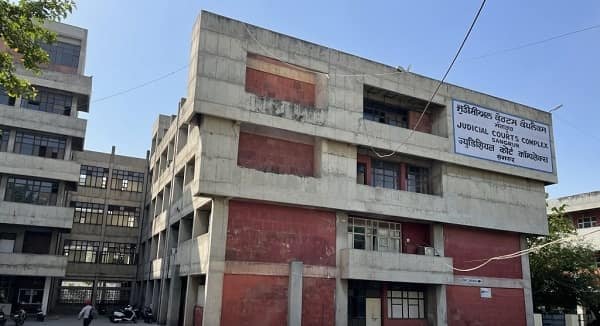
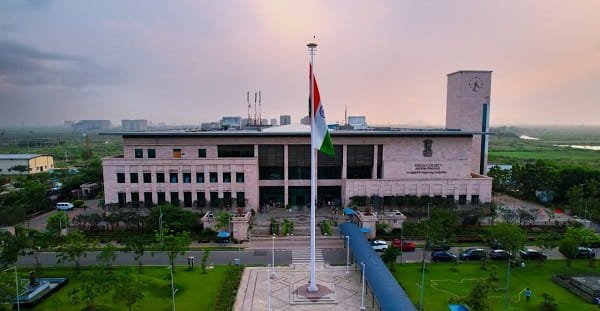
The District Court Jalandhar — the apex trial court for the Jalandhar Sessions Division in the state of Punjab — is one of India’s most historically significant district courts, serving an ancient city whose judicial origins trace to the aftermath of the First Sikh War of 1845-46 when Baron Lawrence was made Commissioner of the newly annexed district of Jullundur. Jalandhar — previously known as Jullundur during British occupation — is one of Punjab’s most important cities, an ancient settlement that was the capital of the Trigarttas in the Mahabharata era, described as the people living in the land between three rivers: Ravi, Beas, and Sutlej. The city served as the capital of Punjab until 1953 when it was replaced by Chandigarh. The District Court building was constructed in 1866 — making it one of Punjab’s oldest surviving district court structures — and the modern Judicial Courts Complex near BMC Chowk, inaugurated in 2004 by the Chief Justice of the Punjab and Haryana High Court, now houses the court’s contemporary operations.
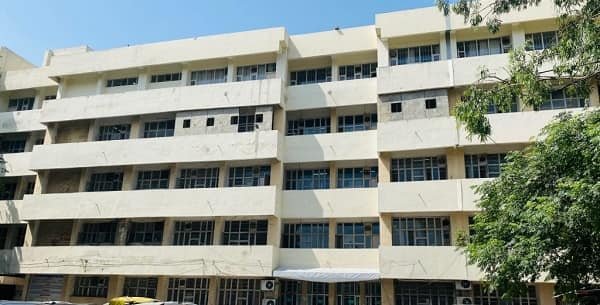
History
The seeds of the present courts in Jalandhar were sown by Baron Lawrence. After the First Sikh War (1845-46), Baron Lawrence was made Commissioner of the newly annexed district of Jullundur, where he subdued hill chiefs, established courts and police posts, and curbed female infanticide and Sati. On the Punjab Board of Administration he abolished internal duties, introduced a uniform currency, and encouraged road and canal construction. The Board of Administration set up in 1849 was abolished in 1853. Punjab was put under a Chief Commissioner with Robert Montgomery appointed as the first Judicial Commissioner. Courts were set up in Punjab soon after annexation, and the Judicial Department was set up in 1853 to provide courts with written law to administer.
Prior to 1860, there were four kinds of courts in Punjab — presided over by the Deputy Commissioner, Assistant Commissioner, Extra Assistant, and Tahsildars. Later, when smaller courts were established to recover petty debts, Shri R.S. Mitra was appointed as Judge of the Small Cause Court in Jalandhar. Civil and criminal courts were subsequently established when the Indian Penal Code and Code of Civil Procedure were enforced in Punjab. Until 1875, the district had six munsifs — three appointed for the district and one each for the sub-divisions of Phillaur, Nakodar, and Nawashahr.
The building for the court of the District and Sessions Judge, Jalandhar was constructed in the year 1866. The building consisted of one main court room along with a suitor shed, Bar Room, chowkidar’s quarters, servants’ quarters, godowns, sweeper quarter, latrine, cook house, and a well. In 1909, Shri A.H. Pakar was appointed as Sessions Judge in Jalandhar. The civil courts were then situated in Mohalla Kacherian between Hoshiarpur Adda Crossing and Tanda Road Crossing. The new courts complex was started in 1966, and the modern Judicial Courts Complex was built near BMC Chowk and inaugurated in 2004 by the Chief Justice of Punjab and Haryana High Court.
Structure and Composition
| Dimension | Detail |
| Judicial history origin | 1845–46 — Baron Lawrence after First Sikh War |
| Ancient city name | Jullundur — now Jalandhar |
| Capital of Punjab until | 1953 — replaced by Chandigarh |
| Original DSJ building constructed | 1866 |
| New Courts Complex started | 1966 |
| Current Judicial Complex inaugurated | 2004 — by CJ of Punjab and Haryana HC |
| Current location | Near BMC Chowk, Jalandhar — Pin Code 144001 |
| High Court supervision | Punjab and Haryana High Court, Chandigarh |
| Separation of judiciary | October 2, 1964 |
| Court types | Civil, Criminal, Family, Special Courts |
| Sub-divisions served | Phillaur, Nakodar, Nawashahr among others |
| Bar Association | District Bar Association, Jalandhar (DBA) |
| Digital services | eCourts Mission Mode Project — e-filing 3.0, CIS, SMS alerts, video conferencing |
Architecture — The 1866 Building and the 2004 Modern Complex
The Jalandhar District Court’s architectural history spans two buildings of contrasting eras separated by 138 years. The 1866 building — constructed in the first years of formal judicial administration under the British administration — was a functional colonial judicial structure comprising the main courtroom, suitor shed, bar room, residential quarters for court staff, and ancillary facilities including a well, cook house, and latrine. Its modest scale reflected the district court needs of a newly organised administrative unit, and its detailed inventory of components records a self-contained judicial campus designed to operate independently.
The modern Judicial Courts Complex near BMC Chowk — inaugurated in 2004 — represents the transformation of Jalandhar’s district judiciary into a contemporary multi-court institution befitting Punjab’s second most significant city. The complex houses courts across civil, criminal, family, and special courts jurisdictions, with separate advocate facilities, the District Legal Services Authority office, and digital court infrastructure including video conferencing and e-filing 3.0 capabilities. The District and Sessions Judge chairs the DLSA and supervises Lok Adalats, legal awareness programmes, and seminars on legal subjects held across the Jalandhar Sessions Division.
Frequently Asked Questions
Q: Who established the first courts in Jalandhar?
A: Baron Lawrence — appointed Commissioner after the First Sikh War (1845-46).
Q: When was the original DSJ building at Jalandhar constructed?
A: 1866 — consisting of one main courtroom, suitor shed, bar room, and staff quarters.
Q: What is the city’s ancient historical significance?
A: Jalandhar was the capital of the Trigarttas — the land between three rivers — in the Mahabharata era, and served as the capital of Punjab until 1953.
Q: When was the modern Judicial Courts Complex inaugurated?
A: 2004 — by the Chief Justice of the Punjab and Haryana High Court.
Q: Where is the current court complex located?
A: Near BMC Chowk, Jalandhar — Pin Code 144001.
Q: Which High Court supervises the Jalandhar District Court?
A: The Punjab and Haryana High Court, Chandigarh.
Q: What was Jalandhar called during British occupation?
A: Jullundur.
Q: What digital services are available?
A: e-Filing 3.0, Case Information System, SMS case alerts, video conferencing, and the eCourts portal for case management.