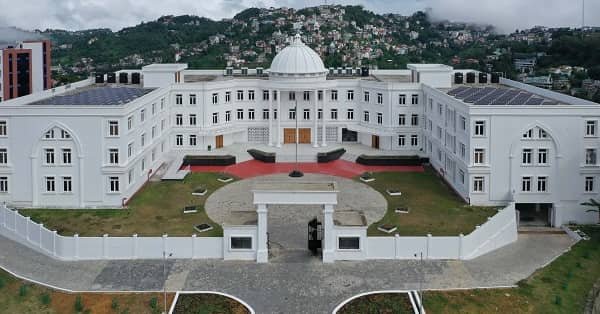
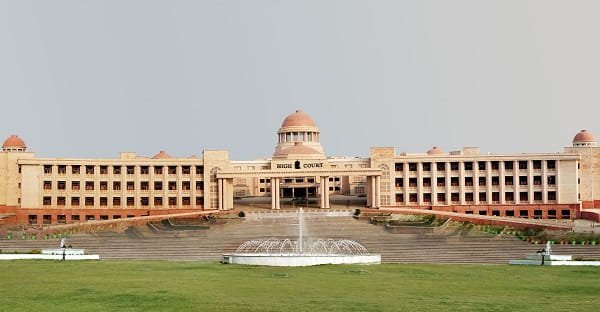
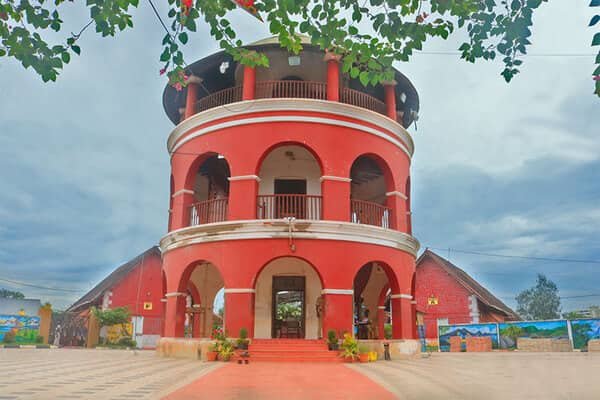
The District and Sessions Court Gwalior — the apex trial court for the Gwalior district in the state of Madhya Pradesh — is one of India’s most historically distinguished district courts, serving a city whose civilisational roots trace back to the 8th century AD and whose cultural identity as the Music City of India and home to the oldest musical gharana of the Indian subcontinent gives it a uniqueness that transcends its administrative character. Known as the Gibraltar of India for its legendary fort described by Mughal Emperor Babur as the pearl amongst the fortresses of Hind, Gwalior carries a judicial heritage rooted in the progressive Scindia princely administration — a judicial system that achieved the separation of judicial from executive functions decades before British India accomplished the same milestone. Under the Madhya Pradesh High Court — which maintains its principal seat at Jabalpur and a permanent bench in Gwalior — the District Court Gwalior functions from a building constructed in the late 1920s with a history that connects the present court directly to the princely state’s enlightened legal traditions.
History
The judicial history of Gwalior reflects the extraordinary administrative sophistication of the Scindia princely state. The Gwalior State had established courts in the line of British India — conferring upon Magistrates the power to impose sentences and appointing Civil Judges to decide civil matters. However, the critical difference from British-controlled India was fundamental — the marked feature of the Gwalior State constitution was the separation of judicial from executive functions, a feature which was not achieved by British India at that time. The credit for inaugurating this system goes to late Maharaj Madhav Rao, who in the year 1908 succeeded in overhauling the old machinery and established an independent system of judicial administration under which judicial functions were completely separate from executive.
The legislative and judicial department, known as the Huzur Darbar, legislated the Gwalior Civil and Criminal Courts Regulation in Samvat 1989. The District Magistrate was the head of police in the district and was in charge of criminal cases, while the District Judge dealt with civil matters only — an arrangement that kept the twin pillars of district administration clearly demarcated from each other.
Prior to 1936, the subordinate courts and the High Court of Gwalior State were housed in a building situated at Maharaj Bada. Part of that building has since been demolished and the remaining part, where courts once ran, is presently known as the Central Library — prior to that designation, it was known as the Imperial Bank of India.
The present court building, constructed in the late 1920s for the establishment of educational institutions by the state, has its own glorious history. Since 1956 until January 1998, the District Court and the Bench of the High Court together were housed in the same old building situated at Jayendraganj, Gwalior — with the District Court accommodated on the ground floor and part of the first floor, and the High Court on the upper floors. After January 1998, the District and Sessions Court Gwalior became the sole occupant of the building when the High Court was shifted to a new building at City Centre.
Structure and Composition
| Dimension | Detail |
| City history origin | 8th century AD — Suraj Sen cured by sage Gwalipa, founded Gwalior |
| Judicial separation from executive | 1908 — by Maharaj Madhav Rao Scindia — ahead of British India |
| Pre-1936 court location | Maharaj Bada building — now Central Library |
| Present building constructed | Late 1920s — for educational institutions |
| 1956–1998 | District Court and MP High Court Gwalior Bench shared the same building |
| HC shifted to new premises | January 1998 — City Centre, Gwalior |
| Current court location | Jayendraganj, Gwalior, Madhya Pradesh |
| High Court supervision | Madhya Pradesh High Court — permanent bench at Gwalior |
| Cultural identity | Music City of India — oldest musical gharana of subcontinent |
| Historical significance | Gwalior Fort — described by Babur as pearl amongst fortresses of Hind |
| New building status | New District Court building construction ongoing between Collectorate and HC building |
| Digital services | eCourts Mission Mode — e-filing, CIS, virtual hearings |
Architecture — The Late-1920s Heritage Building
The Gwalior District Court building at Jayendraganj carries the specific architectural character of a late-1920s institutional structure built for an educationally progressive princely administration — a structure whose construction preceded the 1936 formal reorganisation of courts under the Nagpur High Court’s jurisdiction and whose subsequent shared occupation with the Madhya Pradesh High Court Gwalior Bench from 1956 to 1998 gave it the rare distinction of housing both a district court and a state High Court bench simultaneously for over four decades.
A new District Court building is currently under construction at a strategic location between the new Collectorate building and the High Court building — a placement that will integrate the district court within Gwalior’s central civic and judicial campus, reflecting the city’s continued investment in judicial infrastructure befitting its status as one of Madhya Pradesh’s most historically significant and administratively important cities.
Frequently Asked Questions
Q: What judicial milestone did the Gwalior State achieve in 1908?
A: Under Maharaj Madhav Rao Scindia, Gwalior achieved the complete separation of judicial from executive functions — a milestone that British India had not yet accomplished.
Q: Where were courts housed before 1936 in Gwalior?
A: At the Maharaj Bada building — now known as the Central Library.
Q: When was the present District Court building constructed?
A: In the late 1920s — originally built for educational institutions by the Gwalior State.
Q: How long did the District Court and the HC Bench share the same building?
A: From 1956 to January 1998 — over four decades of co-habitation at the Jayendraganj building.
Q: Which High Court supervises the Gwalior District Court?
A: The Madhya Pradesh High Court — with a permanent bench in Gwalior city.
Q: What is Gwalior known as culturally?
A: The Music City of India — home to the oldest musical gharana of the Indian subcontinent.
Q: What is the status of new infrastructure?
A: A new District Court building is currently under construction between the new Collectorate and the High Court building at City Centre.