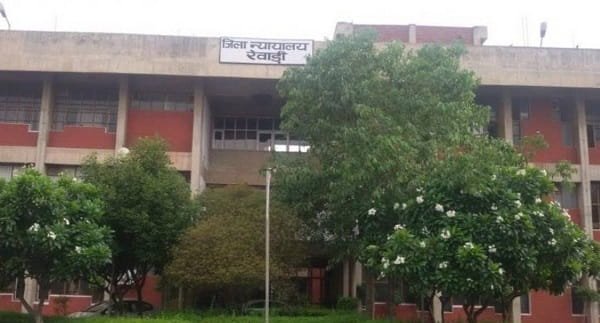
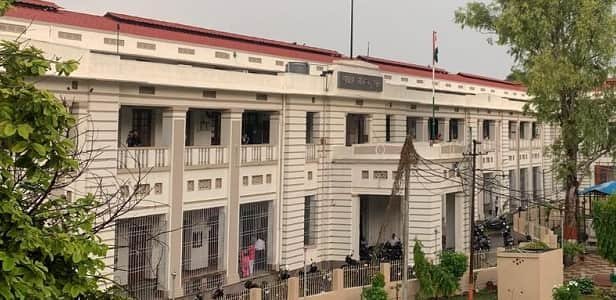
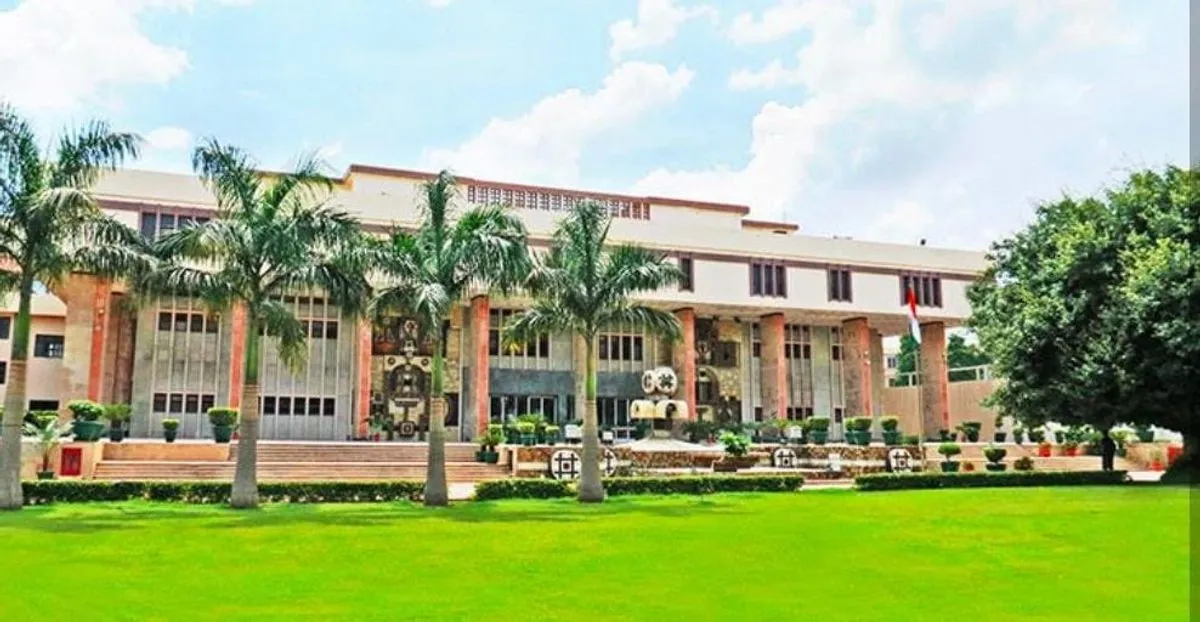
The District and Sessions Court Kolhapur — the apex trial court for Kolhapur district in the state of Maharashtra — carries one of India’s most distinguished judicial heritages, rooted in the illustrious judicial and social reform traditions of the Kolhapur Princely State. Kolhapur Judicial District has had a glorious past — in 1844, rulers established the first court in Kolhapur, and the princely state had its own High Court and Supreme Court. The District Court was formally established in 1867, and its first District Judge was none other than the eminent jurist and social reformer Late Shri Mahadev Govind Ranade — one of the most celebrated legal and intellectual figures of 19th-century India. From that foundational appointment, the Kolhapur District Court has evolved through a 150-year-old heritage building to the magnificent modern Nyayasankul complex inaugurated in 2016, which now serves one of Maharashtra’s most culturally rich and commercially significant western districts. The court gained fresh national attention in August 2025 when the Bombay High Court established its fourth bench in Kolhapur — the first new High Court bench in Maharashtra in decades — covering Kolhapur and five surrounding districts.
History
The judicial history of Kolhapur reflects the region’s extraordinary civilisational and administrative depth. The Kolhapur district was formed after the integration of the ex-Kolhapur State with the former State of Bombay on March 1, 1949. Prior to integration, there was a High Court of the ex-State of Kolhapur, and the civil and criminal work then pending before that High Court was transferred upon integration into the Bombay High Court’s jurisdiction.
The District Court established in 1867 carried an immediate institutional distinction — Mahadev Govind Ranade, who served as its first District Judge, was one of the founding figures of India’s modern social and legal reform movements, a jurist and social reformer who simultaneously served on the Bombay High Court, contributed to the founding of the Indian National Social Conference, and whose intellectual legacy shaped Indian jurisprudence and social reform across the late 19th and early 20th centuries. Beginning a district court’s history with such an appointment placed Kolhapur’s judicial tradition on a plane of genuine national significance from its very first year.
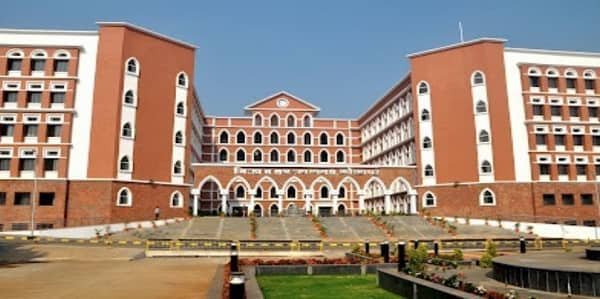
The Old Building of the District Court is more than 150 years old — a colonial-era structure that served the district’s judicial needs across twelve and a half decades before the construction of the new complex began in 2009. The Nyayasankul — Kolhapur’s modern judicial complex — was inaugurated on February 7, 2016, replacing the aging heritage structure with a purpose-built judicial campus that meets contemporary requirements.
Structure and Composition
| Dimension | Detail |
| First court in Kolhapur | 1844 — established by princely rulers |
| District Court established | 1867 |
| First District Judge | Late Shri Mahadev Govind Ranade — eminent jurist and social reformer |
| Old building age | Over 150 years old |
| New building name | Nyayasankul |
| New building construction began | 2009 |
| Nyayasankul inauguration | February 7, 2016 |
| Nyayasankul court halls | 36 court halls on 2nd, 3rd, and 4th floors |
| Ground floor facilities | Advocate Bar, Public Prosecutor, E-Centre, Canteen with central fountain |
| Library | Well-equipped library within the Nyayasankul |
| High Court supervision | Bombay High Court — new Kolhapur Bench from August 18, 2025 |
| Bombay HC Kolhapur Bench | Covers Kolhapur, Satara, Sangli, Solapur, Ratnagiri, and Sindhudurg |
| Digital services | eCourts Mission Mode — e-filing, virtual hearings, DLSA legal aid |
Architecture — The Nyayasankul
The Nyayasankul — meaning the Court Complex in Marathi — is the architectural embodiment of Kolhapur’s judicial ambition for the 21st century. The building houses 36 court halls across its 2nd, 3rd, and 4th floors, with the ground floor thoughtfully designed for public amenities — the Advocate Bar, Public Prosecutor’s office, an E-Centre for digital services, and a canteen arranged around a central fountain that gives the building’s public ground floor a dignified and welcoming character.
The establishment of the Bombay High Court Kolhapur Bench effective August 18, 2025 — covering six districts including Satara, Sangli, Solapur, Kolhapur, Ratnagiri, and Sindhudurg — has transformed Kolhapur into a dual judicial capital. The district court now functions in a city that simultaneously houses a High Court bench, giving Kolhapur’s litigants the practical advantage of appellate access without leaving the same urban area — a benefit that previously required travel to Nagpur or Aurangabad for western Maharashtra litigants.
Frequently Asked Questions
Q: When was the first court established in Kolhapur?
A: 1844 — by the rulers of the Kolhapur Princely State, which had its own High Court and Supreme Court.
Q: When was the District Court of Kolhapur formally established?
A: 1867.
Q: Who was the first District Judge of Kolhapur?
A: Late Shri Mahadev Govind Ranade — an eminent jurist and pioneering social reformer of 19th-century India.
Q: What is the Nyayasankul?
A: The modern District Court Complex of Kolhapur — constructed from 2009 and inaugurated on February 7, 2016, with 36 court halls across three floors.
Q: Which High Court supervises the Kolhapur District Court?
A: The Bombay High Court — which established a new bench in Kolhapur effective August 18, 2025.
Q: What districts does the new Kolhapur Bench of the Bombay HC cover?
A: Kolhapur, Satara, Sangli, Solapur, Ratnagiri, and Sindhudurg.
Q: What facilities are on the ground floor of the Nyayasankul?
A: The Advocate Bar, Public Prosecutor’s office, E-Centre for digital services, and a canteen with a central fountain.
Q: How old is the original District Court building in Kolhapur?
A: Over 150 years old — a colonial-era heritage structure predating the Nyayasankul.