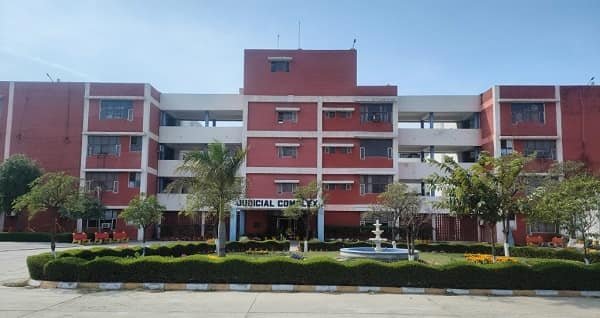
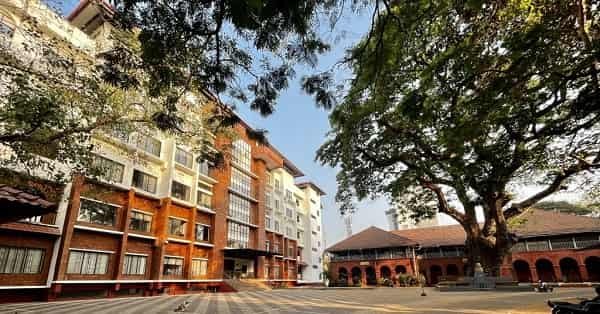
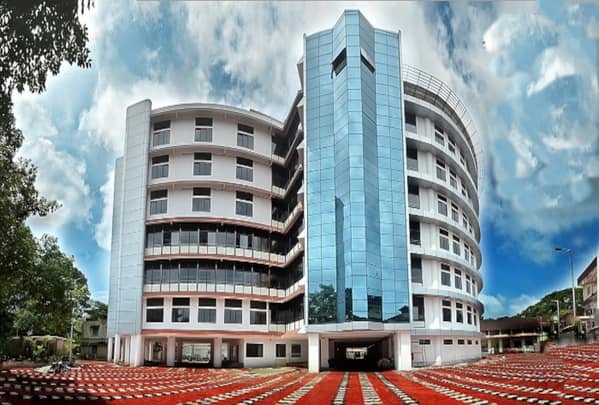
The District Court Howrah — the apex trial court for the Howrah Judgeship in the state of West Bengal — serves one of India’s most densely populated districts and the second-largest city in West Bengal, seated on the western bank of the Hooghly river directly opposite Kolkata. Howrah, also called Haora, lies along the west bank of the river Hooghly and directly opposite to Calcutta. It is Calcutta’s largest satellite city and the second largest city in West Bengal. The twin of Kolkata is said to have a rich history that dates back to 500 years. Under the supervision of the Calcutta High Court — the oldest High Court in India — the Howrah District Court carries a judicial heritage stretching to 1793, when the Hooghly-Howrah district was first formed as a separate administrative unit, making it one of West Bengal’s most historically significant district judiciaries.
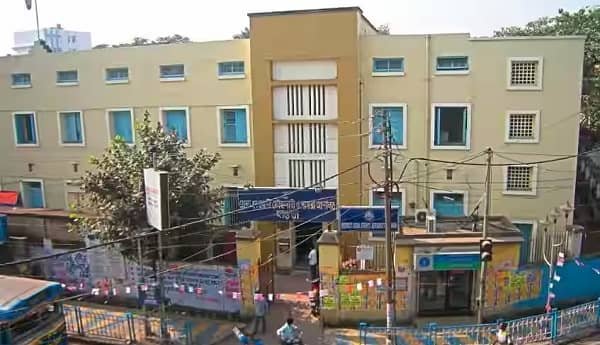
History
The name Howrah is possibly derived from a village named Harirah which was located in or about the site of modern Howrah City. Previously the Judicial and Administrative Side of this district was within the District of Hooghly. The Hooghly-Howrah district was formed into a separate administrative unit in 1793 and a Judge and a Magistrate were appointed there in the same year.
The revenue jurisdiction of the district was separated only in 1819, prior to which it formed part of the Burdwan Collectorate. In 1832, the District Judge was redesignated as the District and Sessions Judge. Howrah as an independent magisterial charge was separated from Hooghly in 1843 and was placed under Joint Magistrate but judicial administration continued under a unified judgeship for the two districts. In 1839, there were 9 Munsiffs in the Hooghly-Howrah district stationed at Hooghly, Nansoria, Mahanad, Baidyabati, Rajpur, Dwarhatta, Kshirpai, Baly, and Uluberia. In 1860, there were 10 magisterial and 22 civil and revenue courts in the district, which increased to 16 and 30 respectively in 1870-71.
The district carries a rich legacy of literary and legal luminaries. Sarat Chandra Chattopadhyay, the famous writer, was born at village Panitrash under Uluberia Sub-Division within this District. A renowned advocate, Barada Prasanna Pyne, was also a son of this District. Howrah is one of the densest districts in West Bengal — with a population density of 2,913 per square kilometre, making it one of the most congested judicial jurisdictions in India.
Structure and Composition
| Dimension | Detail |
| Administrative unit formed | 1793 — Hooghly-Howrah district, Judge and Magistrate appointed |
| Revenue jurisdiction separated | 1819 — from Burdwan Collectorate |
| District Judge redesignated DSJ | 1832 |
| Howrah separated from Hooghly | 1843 — as independent magisterial charge |
| Courts in 1839 | 9 Munsiffs across Hooghly-Howrah district |
| Courts in 1860 | 10 magisterial + 22 civil and revenue courts |
| Courts in 1870-71 | 16 magisterial + 30 civil and revenue courts |
| Population density | 2,913 per sq km — one of West Bengal’s densest |
| Location | Howrah, West Bengal — on the Hooghly river’s west bank |
| High Court supervision | Calcutta High Court |
| Literary connection | Birthplace of Sarat Chandra Chattopadhyay — Uluberia Sub-Division |
| Court types | Civil Courts, Sessions Courts, CJM Courts, Family Courts, POCSO Courts |
| Digital services | eCourts Mission Mode — e-filing, case status, DLSA legal aid |
Architecture and Industrial Identity
Howrah is not merely a residential satellite of Kolkata — it is one of India’s most significant industrial cities, home to engineering works, jute mills, and metalworking industries that line the Hooghly riverbank and generate substantial commercial, labour, and civil litigation. The court complex serves a population whose economic character is distinctly working-class and industrial — creating a case profile of labour disputes, industrial accident claims, and commercial matters that reflects Howrah’s identity as a manufacturing hub.
The iconic Howrah Bridge — the cantilever bridge connecting Howrah to Kolkata that carries over 100,000 vehicles and 150,000 pedestrians daily — is the defining architectural symbol of Howrah’s inseparability from Kolkata’s administrative, commercial, and judicial ecosystem. The district court’s proximity to both Kolkata and the Calcutta High Court, connected by this bridge and multiple road and rail links, gives its litigants direct access to the appellate infrastructure in ways that most district court jurisdictions across India cannot offer.
Frequently Asked Questions
Q: When was the Howrah judicial district first formed?
A: 1793 — when the Hooghly-Howrah district was constituted as a separate administrative unit with a Judge and Magistrate appointed.
Q: When was the District Judge redesignated as District and Sessions Judge?
A: 1832.
Q: When did Howrah receive a separate magisterial charge from Hooghly?
A: 1843 — though judicial administration continued under a unified judgeship.
Q: What is the population density of Howrah?
A: 2,913 per square kilometre — one of the densest districts in West Bengal.
Q: Which famous writer was born in Howrah district?
A: Sarat Chandra Chattopadhyay — born at village Panitrash under Uluberia Sub-Division.
Q: Which High Court supervises the Howrah District Court?
A: The Calcutta High Court — India’s oldest High Court, established July 1, 1862.
Q: What is the significance of Howrah’s location?
A: It lies directly opposite Kolkata on the western bank of the Hooghly, connected by the iconic Howrah Bridge — making it the western gateway to India’s cultural capital.