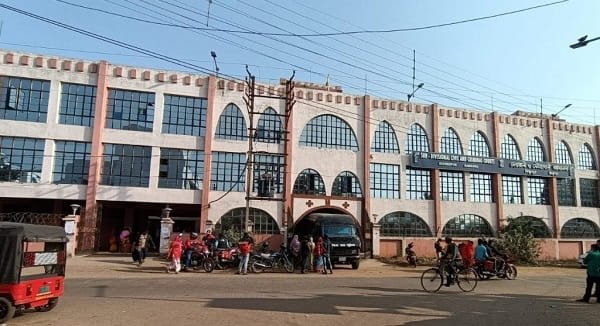
The District Court Karimnagar — the apex trial court for the Karimnagar Judicial District in the state of Telangana — serves a city whose extraordinary civilisational depth stretches from the Old Stone Age approximately 1,48,000 BC through the Satavahana Kingdom, the Kakatiyas, the Nizams, and into modern Telangana’s vibrant institutional life. Established in 1956, the court grew from the humblest of beginnings — a single Munsif Court and a Sub Court operating from the Kamadhenu Market Complex with barely 15 to 20 advocates in the entire district — into a judicial institution of considerable scale and national significance. The composite Karimnagar Judicial District was bifurcated into four new Judicial Districts on June 2, 2022, with Karimnagar, Peddapally, Jagtial, and Rajanna Sircilla each receiving independent judicial status. The present Karimnagar Judicial District now has 20 courts comprising 8 District Courts, 3 Senior Civil Judge Courts, and 9 Junior Civil Judge Courts, all under the supervision of the High Court for the State of Telangana. Karimnagar itself is situated 160 kilometres north-east of Hyderabad on the banks of the Manair River, a tributary of the Godavari, and is known across Telangana as the City of Granites and as the home of silver filigree — a Geographical Indication-certified craft that has been practised by Karimnagar artisans for over 200 years.
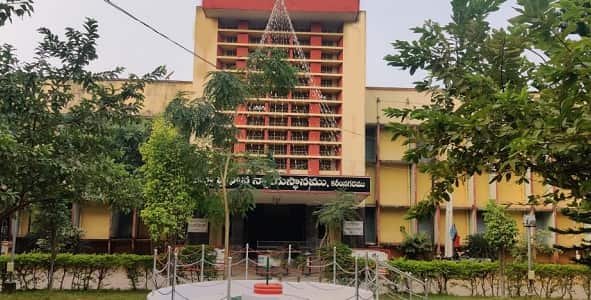
History
The history of Karimnagar district begins in the Old Stone Age — from approximately 1,48,000 BC — as evidenced by stone tools, cultural artefacts, and other materials unearthed at various excavation sites. The most significant archaeological discoveries at Pedda Bonkur, Dhulikatta, and Kotilingala confirm that Karimnagar was ruled by the Satavahanas — and Kotilingala in Karimnagar district was the first capital of the Satavahana Kingdom during 230 BCE to 220 CE. The region was subsequently ruled successively by the Mauryas, Kakatiyas, Bahmanis, Qutb Shahis, Mughals, and the Asaf Jahi dynasty of the Nizams. The city’s very name derives from Syed Karimuddin, a Qiladar — military governor — who administered the Elgandal fort during the Nizam era and renamed the locality in his honour. The district headquarters was formally shifted from Elgandal fort to the present Karimnagar town in 1905, during the reign of the VI Nizam, Nawab Mir Mahbub Ali Khan.
The formal judicial system in Karimnagar was established in 1956 with the creation of the District Munsif Court, alongside which a Sub Court was also constituted — marking the beginning of structured civil and judicial administration in the district. During these early years, the courts functioned from the Kamadhenu Market Complex premises. The founding legal fraternity was small but dedicated — approximately 15 to 20 advocates who pioneered the practice of law in Karimnagar — including distinguished first-generation lawyers whose integrity and commitment shaped the district’s entire judicial culture.
The judiciary subsequently purchased land for construction of a dedicated court building. The foundation stone was laid on March 23, 1964, by the then Honourable Chief Justice of Andhra Pradesh, Sri Chandra Reddy. The District Court building was inaugurated on September 4, 1967, by Sri Kasu Brahmananda Reddy, the then Chief Minister of Andhra Pradesh — a milestone that transformed the courts from their market complex origins into a permanent judicial home. The court functioned as part of undivided Andhra Pradesh until June 2, 2014, when Telangana was formed under the Andhra Pradesh Reorganisation Act, 2014. The critical restructuring arrived on June 2, 2022, when the composite Karimnagar Judicial District was bifurcated into four separate judicial districts — Karimnagar, Peddapally, Jagtial, and Rajanna Sircilla.
Structure and Composition
| Dimension | Detail |
| Court established | 1956 — District Munsif Court and Sub Court |
| Original premises | Kamadhenu Market Complex |
| Foundation stone of court building | March 23, 1964 — by Chief Justice Sri Chandra Reddy |
| Court building inaugurated | September 4, 1967 — by CM Sri Kasu Brahmananda Reddy |
| Bifurcation of composite district | June 2, 2022 — into Karimnagar, Peddapally, Jagtial, Rajanna Sircilla |
| Current courts in Karimnagar Judicial District | 20 — 8 District Courts, 3 Senior Civil Judge Courts, 9 Junior Civil Judge Courts |
| Location | Karimnagar, Telangana — 160 km north-east of Hyderabad |
| High Court supervision | High Court for the State of Telangana, Hyderabad |
| City situated on | Manair River — tributary of Godavari |
| City known as | City of Granites + famous for silver filigree |
| Famous alumni | P.V. Narasimha Rao — former Prime Minister of India — from Karimnagar |
| Elgandal Fort | Kakatiya period — 10 km from Karimnagar |
| Digital services | eCourts Mission Mode — e-filing, CIS 3.2, video conferencing |
Architecture and Civic Identity
The Karimnagar District Court building — inaugurated in 1967 and situated within Karimnagar’s urban core — serves a city that carries extraordinary historical weight. P.V. Narasimha Rao, the former Prime Minister of India, hailed from Karimnagar — a fact that lends the district its particular political and national pride. The Elgandal Fort, constructed during the Kakatiya period and situated 10 kilometres from Karimnagar town on the left bank of the Manair River, stands as the most significant heritage monument of the district — a hilltop fortification featuring stone walls, two mosques, temples, an ammunition building, and jail khana that survived successive Qutb Shahi, Mughal, and Nizam-era occupation.
Karimnagar’s silver filigree craft — recognised with Geographical Indication status by the Government of India — provides the district court with a distinctive commercial litigation context, as artisans and traders engaged in this internationally exported handicraft occasionally bring commercial disputes to the court’s civil benches. The digital infrastructure of the court includes CIS 3.2, mandatory e-filing, and video conferencing facilities that serve the court’s 20 functioning courts across the reorganised Karimnagar Judicial District.
Frequently Asked Questions
Q: When was the Karimnagar District Court established?
A: 1956 — starting with a District Munsif Court and Sub Court functioning from the Kamadhenu Market Complex.
Q: When was the permanent court building inaugurated?
A: September 4, 1967 — by then Chief Minister Sri Kasu Brahmananda Reddy.
Q: Who laid the foundation stone of the court building?
A: The then Chief Justice of Andhra Pradesh, Sri Chandra Reddy, on March 23, 1964.
Q: How many courts currently function in the Karimnagar Judicial District?
A: 20 courts — 8 District Courts, 3 Senior Civil Judge Courts, and 9 Junior Civil Judge Courts.
Q: When was the composite Karimnagar Judicial District bifurcated?
A: June 2, 2022 — into four separate judicial districts: Karimnagar, Peddapally, Jagtial, and Rajanna Sircilla.
Q: What is Karimnagar city known for?
A: The City of Granites and home of silver filigree — a GI-certified craft with 200 years of history.
Q: Which High Court supervises the Karimnagar District Court?
A: The High Court for the State of Telangana, Hyderabad.
Q: What is the ancient historical significance of Karimnagar?
A: Kotilingala in Karimnagar district was the first capital of the Satavahana Kingdom (230 BCE–220 CE), and the district’s history stretches to the Old Stone Age approximately 1,48,000 BC.