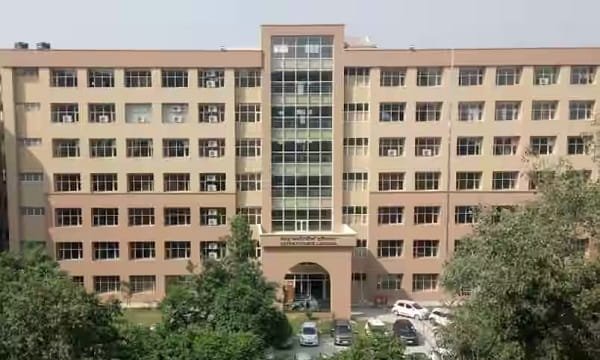
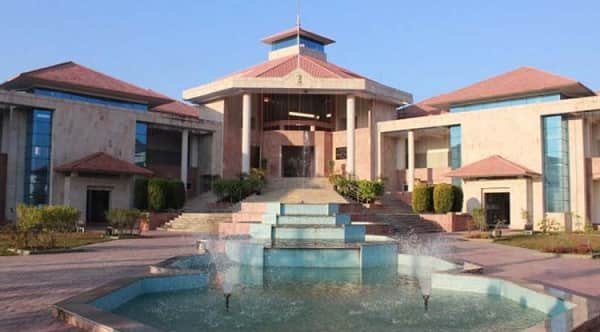
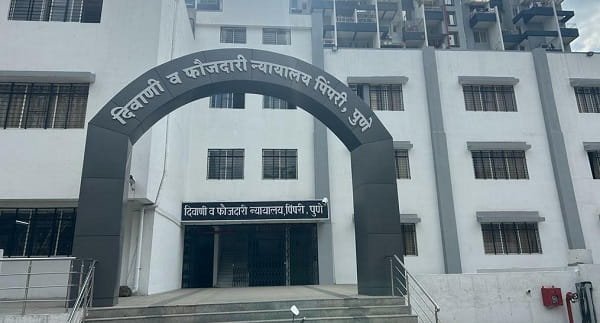
The District Court Sangrur — the apex trial court for the Sangrur Sessions Division in the state of Punjab — serves a district whose judicial history is deeply intertwined with the rich, complex, and sometimes turbulent heritage of the Patiala Princely State and the Patiala and East Punjab States Union — PEPSU. Earlier, Sunam was the District Headquarters of the Patiala State and the District and Sessions Judge along with other subordinate Courts used to sit at Sunam until the partition of the country. Courts were housed in the old fort. After partition, the Princely States were united as PEPSU and Sangrur was declared headquarters, and Sunam became a Sub-Tehsil. Under the supervision of the Punjab and Haryana High Court at Chandigarh, the Sangrur District Court today serves a district that is directly linked by road with Chandigarh at 127 kilometres, Ludhiana at 80 kilometres, Bathinda at 100 kilometres, and Delhi at 257 kilometres — occupying a strategically central position in Punjab’s geographic and judicial landscape.
History
The judicial history of Sangrur is inseparable from the complex administrative transformations that the district experienced across the Patiala Princely era, PEPSU, and the formation of Punjab as a modern state. Judicial Courts at Dhuri were established and functioning since the year on or about 1910 by the then Maharaja of the erstwhile Patiala State.
The unique communal history of Malerkotla sub-division within the Sangrur Sessions Division adds an important dimension to the court’s jurisdictional character. The town of Malerkotla is a separate district on the administrative side, situated on the Ludhiana-Sangrur road, but still it is a sub-division for District Sangrur on the judicial side. Malerkotla is divided into two portions — Maler, the older part built by Sadar-ud-din in 1466, while Kotla owes its origin to Nawab Beyazid Khan in the year 1656. Malerkotla town is the only town in the state of Punjab where there is a huge population of Muslims.
The Namdhari Movement’s history is also connected to the Sangrur judicial landscape — in 1872, a group of Kukas attacked Malerkotla. 68 Kukas were captured, out of which 66 were blown after being tied to cannons at Malerkotla. In their memory, a beautiful Kuka memorial has been built. This history of princely judicial authority, colonial courts, communal resilience, and freedom movement associations gives the Sangrur judicial district an unusually rich historical tapestry.
Structure and Composition
| Dimension | Detail |
| Historical headquarters | Courts at Sunam in Patiala State — housed in old fort |
| Dhuri courts established | Around 1910 — by Maharaja of Patiala State |
| PEPSU formed | Post-1947 — Sangrur declared new headquarters |
| Location | Judicial Court Complex, Sangrur, Punjab — PIN 148001 |
| High Court supervision | Punjab and Haryana High Court, Chandigarh |
| Sub-divisions | Sunam, Moonak, Dhuri, Malerkotla (judicial sub-division) |
| Malerkotla administrative status | Separate district since 2021 — but still judicial sub-division of Sangrur |
| Distance from Chandigarh | 127 km |
| Distance from Ludhiana | 80 km |
| Distance from Bathinda | 100 km |
| Court types | Civil, Criminal, Family Court, Special Courts including exclusive court for heinous crimes against women |
| Bar Association | Sessions Division Sangrur Bar Association |
| Digital services | eCourts Mission Mode — e-filing, CIS, SMS alerts, video conferencing |
| Legal Aid | DLSA Sangrur — Legal Aid Defence Counsel system |
Architecture and the Multi-Sub-Division Complex
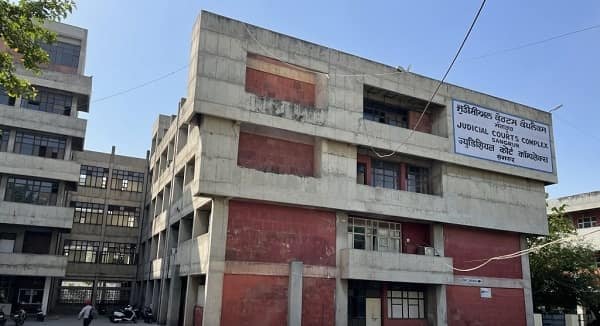
The Sangrur District Court functions from the Judicial Court Complex at Sangrur — with subordinate sub-divisional court complexes at Dhuri, Sunam, Malerkotla, and Moonak serving the Sessions Division’s geographic extent across Punjab’s agriculturally productive central belt. The cleanliness and upkeep of all these complexes is administered through regular tender processes — reflecting the court’s commitment to maintaining dignified judicial premises across its widely distributed sub-divisional courts.
The Sessions Division has established an Exclusive Court to deal with cases of heinous crimes against women — a specialised judicial response to the category of offences that most demands victim-sensitive court procedures and expeditious disposal. A new Family Court has also been established in the Sessions Division, reflecting the growing demand for dedicated family dispute resolution within Sangrur’s agricultural and peri-urban population. The Mediation Centre within the complex provides an alternative dispute resolution avenue for litigants, supported by the District Legal Services Authority with its Legal Aid Defence Counsel system providing free legal representation to those who cannot afford advocacy.
Frequently Asked Questions
Q: Where were courts held in Sangrur’s judicial history before the formation of PEPSU?
A: At Sunam — the District Headquarters of the Patiala State — housed in the old fort.
Q: When was Sangrur declared the headquarters of PEPSU?
A: After the partition and formation of PEPSU in 1947-48.
Q: When were Dhuri courts established?
A: Around 1910 — by the Maharaja of the erstwhile Patiala State.
Q: What makes Malerkotla unique within the Sangrur judicial jurisdiction?
A: Malerkotla became a separate administrative district in 2021 but remains a judicial sub-division of Sangrur — and it is the only town in Punjab with a large Muslim population.
Q: Which High Court supervises the Sangrur District Court?
A: The Punjab and Haryana High Court, Chandigarh.
Q: What special court has been established in the Sangrur Sessions Division?
A: An exclusive court to deal with cases of heinous crimes against women — plus a dedicated new Family Court.
Q: How far is Sangrur from Chandigarh?
A: 127 kilometres, with road connections to Ludhiana (80 km), Bathinda (100 km), and Delhi (257 km).
Q: What digital services are available?
A: e-Filing, Case Information System, SMS case alerts, video conferencing, and eCourts Mission Mode Project integration across all sub-divisional courts.